 Ultimate guide
Root Causes of Female Alopecia Explained
Table of Contents
- Understanding Female Alopecia and Hair Loss
- Genetic and Hormonal Causes: Female Pattern Hair Loss
- Acute Hair Shedding: Telogen Effluvium in Women
- Nutritional Deficiencies: Hair Loss from Iron Deficiency and Beyond
- Medical Conditions and Autoimmune Causes
- Medications, Scalp Conditions, and External Damage
- Identifying Your Hair Loss Pattern and Next Steps
- Frequently Asked Questions
Last Updated: October 18, 2026
Understanding Female Alopecia and Hair Loss
Female alopecia affects millions of women, causing progressive thinning, increased shedding, or patchy hair loss that impacts scalp health and emotional well-being.
Hair loss in women differs from male-pattern baldness in presentation, triggers, and mechanisms. Men typically see receding hairlines or crown thinning; women more often see diffuse shedding or localized patches.
No single solution addresses all cases: postpartum shedding, thyroid-related thinning, stress-induced loss, and iron deficiency anemia each need different intervention.
Genetic and Hormonal Causes: Female Pattern Hair Loss
Female pattern hair loss, or androgenetic alopecia, accounts for a significant portion of hair loss in women. Women can inherit a genetic predisposition to hair loss; the inheritance pattern is simply more complex than in men.
How genetics and DHT affect hair follicles
Genetic hair loss occurs when hair follicles are sensitive to dihydrotestosterone (DHT), derived from testosterone. Women produce testosterone naturally, and some have follicles genetically programmed to shrink in response to DHT.
Inheritance isn't straightforward: if your mother, grandmother, or aunts had thinning, your risk increases, but multiple genes are involved.
Miniaturization happens gradually: a hair that once grew for five years may cycle through growth phases in months, producing increasingly thin strands until the follicle goes dormant.
Hormonal imbalances and follicle miniaturization
Hormonal imbalances accelerate miniaturization in genetically susceptible women. Elevated androgens, insulin resistance, thyroid dysfunction, or cortisol dysregulation can trigger or worsen hair loss. PCOS is a common culprit, often combining elevated androgens and insulin resistance as a dual trigger.
The relationship is bidirectional: chronic stress elevates cortisol, shifting hormone metabolism and increasing androgen sensitivity, while poor nutrition or blood sugar dysregulation compounds imbalance. At Sophiatrichoholistic Hair Spa LLC, we address hormonal root causes through integrated assessment combining clinical trichology with Traditional Chinese Medicine to restore internal balance and improve hair growth from the root.
Miniaturization isn't permanent if caught early. Addressing the hormonal driver, whether through stress management, dietary changes, or targeted treatment, can halt progression and allow some follicles to recover.
Acute Hair Shedding: Telogen Effluvium in Women
Telogen effluvium is temporary but noticeable shedding triggered by acute physical or emotional stress. Unlike genetic hair loss, it shifts the hair growth cycle, sending a larger-than-normal percentage of hairs into the resting (telogen) phase simultaneously.
Postpartum hair loss and recovery timelines
Postpartum hair loss is one of the most common forms of telogen effluvium. Women typically notice increased shedding three to six months postpartum (Investigation of exacerbating factors for postpartum hair loss).
This loss is temporary: shedding usually peaks around months four to five postpartum, then declines, with density returning to baseline by six to twelve months.
The psychological impact often outweighs the physical loss. Many women fear permanent baldness, not realizing telogen effluvium is self-limited; understanding the timeline reduces anxiety and sets realistic expectations.
Stress-induced shedding and the hair growth cycle
Acute emotional or physical stress, illness, surgery, major life changes, or severe anxiety can trigger telogen effluvium in non-postpartum women.
The hair cycle has three phases: anagen (growth, two to seven years), catagen (transition, weeks), and telogen (resting, two to three months).
Recovery depends on resolving the stressor and supporting the body's natural cycle.
Nutritional Deficiencies: Hair Loss from Iron Deficiency and Beyond
Hair follicles are metabolically active tissues needing consistent nutrients. Iron, zinc, vitamin D, B vitamins, and protein are essential; deficiency in any can weaken follicles, shorten the growth phase, and increase shedding.
Iron deficiency anemia and hair thinning
Iron deficiency is one of the most common nutritional causes of hair loss in women, especially those with heavy menstrual bleeding, vegans, or absorption issues.
Iron deficiency anemia presents with fatigue, weakness, and pale skin alongside diffuse shedding rather than patchy loss. Women may notice more hair in the shower drain or on pillows weeks or months after iron levels drop.
Restoring iron takes time.
Vitamin deficiencies that weaken hair follicles
Vitamin D deficiency is increasingly recognized as a contributor: receptors exist on hair follicles, and deficiency correlates with increased shedding and alopecia areata.
These deficiencies often coexist, especially with restricted diets, malabsorption, or limited sun exposure.
At Sophiatrichoholistic Hair Spa LLC, we assess nutritional status as part of our holistic evaluation, recognizing that sustainable hair regeneration depends on providing follicles with consistent support.
Medical Conditions and Autoimmune Causes
Several systemic conditions trigger or accelerate hair loss through inflammation, immune dysregulation, or hormonal disruption.
Alopecia areata and autoimmune response
Alopecia areata is not contagious, not caused by stress alone (though stress may worsen it), and not permanent, though regrowth timelines vary. Some regrow spontaneously within months; others need intervention.
Because it is autoimmune, treatment focuses on modulating immune response rather than a single trigger. Traditional approaches include topical corticosteroids or immunosuppressants; holistic approaches emphasize immune balance, stress reduction, and anti-inflammatory nutrition.
Start Your Hair & Scalp Healing Journey →
Thyroid disorders, lupus, and other underlying conditions
Thyroid dysfunction, both hypothyroidism and hyperthyroidism, disrupts the hair growth cycle. Thyroid hormones regulate metabolism and protein synthesis, both essential for hair growth.
Lupus and other autoimmune conditions trigger hair loss through systemic inflammation and immune dysregulation. Diabetes impairs circulation and wound healing, weakening follicles.
Addressing these underlying conditions is essential for hair recovery. Thyroid medication, lupus treatment, or diabetes management must be optimized before expecting significant hair improvement.
Medications, Scalp Conditions, and External Damage
Some medications trigger hair loss as a side effect. Certain chemotherapy drugs, beta-blockers, anticoagulants, and hormonal contraceptives can increase shedding or disrupt the hair cycle. If hair loss coincides with starting a new medication, discussing alternatives with your prescribing physician is important, stopping the medication often resolves hair loss within months.
How medications and illness trigger hair loss
Medications cause hair loss through several mechanisms. Some directly damage hair follicles; others disrupt hormone balance or nutrient absorption.
Hormonal contraceptives can trigger telogen effluvium in sensitive individuals, particularly when starting, stopping, or switching formulations. The shift in hormone levels disrupts the hair cycle.
Illness itself, fever, severe infection, or metabolic stress, can trigger telogen effluvium even without medication. The body prioritizes survival over hair maintenance, shifting resources away from follicles.
Scalp inflammation, chemical treatments, and traction alopecia
Chronic scalp conditions like seborrheic dermatitis, psoriasis, or folliculitis create inflammation that weakens follicles and accelerates shedding. Seborrheic dermatitis causes oily, flaking skin; psoriasis produces thick, red plaques.
Chemical treatments, permanent waves, relaxers, or frequent coloring, damage hair structure, causing breakage rather than true hair loss.
Restoring scalp health requires addressing inflammation. At Sophiatrichoholistic Hair Spa LLC, we combine clinical trichology with Traditional Chinese Medicine to reduce scalp inflammation and restore the scalp microbiome.
Identifying Your Hair Loss Pattern and Next Steps
Distinguishing between different types of female hair loss requires careful observation of shedding patterns, timeline, and associated symptoms.
Distinguishing diffuse shedding from patchy hair loss
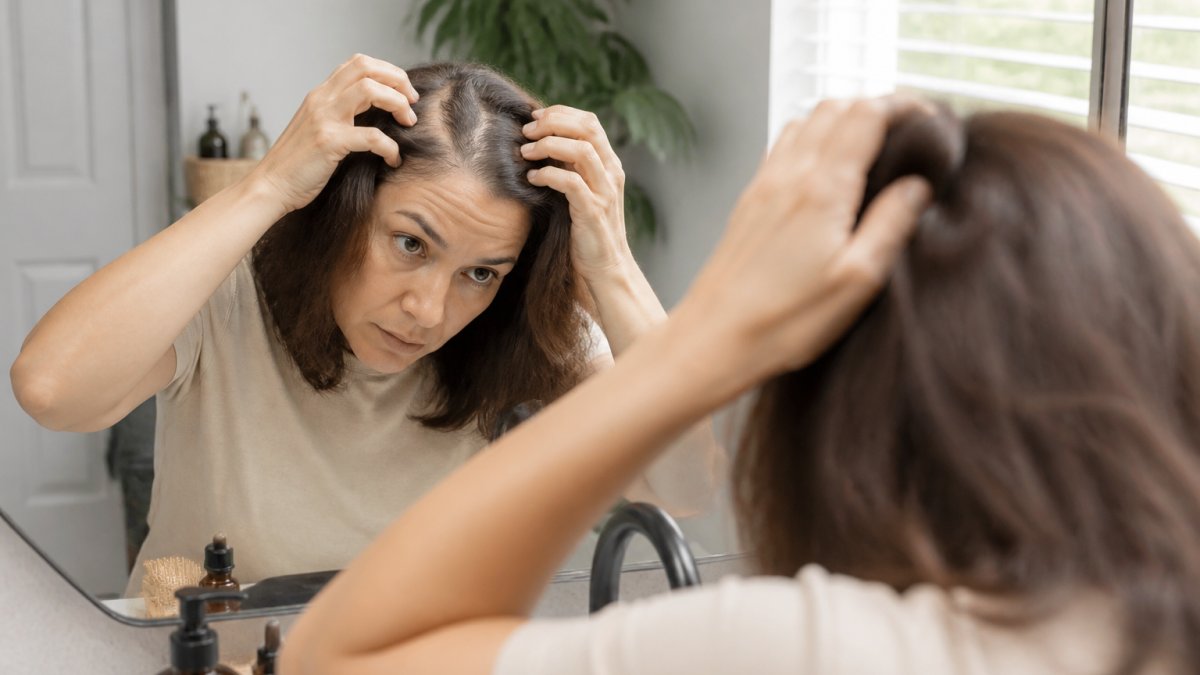
Diffuse hair loss appears as overall thinning across the entire scalp, the part line widens, ponytails feel thinner, and you notice more hair in the shower.
Patchy hair loss, round or oval bald spots, suggests alopecia areata or localized inflammation. This pattern develops more suddenly, often over days to weeks.
Thinning concentrated at the crown or part line, with preserved hairline, suggests female pattern hair loss.
When to consult a dermatologist or trichologist
Professional assessment becomes important when hair loss persists beyond three months, involves rapid shedding, appears in patches, or accompanies other symptoms like fatigue, weight changes, or skin changes.
Many women benefit from integrated assessment combining dermatology with holistic evaluation. According to American Academy of Dermatology guidelines, early intervention for hair loss improves outcomes significantly.
Tracking your hair loss helps guide professional consultation. Note when shedding began, whether it was sudden or gradual, any associated symptoms, medications started, or life stressors.
Female hair loss has multiple root causes, each requiring different diagnostic and treatment approaches. Genetic predisposition, hormonal imbalance, nutritional deficiency, autoimmune response, medication effects, and scalp inflammation all contribute to different patterns of shedding.
At Sophiatrichoholistic Hair Spa LLC, we specialize in identifying and addressing the root causes of female alopecia explained through integrated assessment combining clinical trichology with Traditional Chinese Medicine. If you're experiencing persistent hair loss or scalp inflammation, consult with a qualified trichologist or dermatologist to develop a personalized treatment plan.
| Hair Loss Type | Pattern | Typical Onset | Likely Causes |
|---|---|---|---|
| Diffuse shedding | Overall thinning across scalp | Weeks to months | Telogen effluvium, nutritional deficiency, hormonal imbalance, thyroid dysfunction |
| Patchy loss | Round or oval bald spots | Days to weeks | Alopecia areata, localized inflammation, traction alopecia |
| Crown/part thinning | Concentrated at crown or part line | Gradual over years | Female pattern hair loss, genetic predisposition, hormonal sensitivity |
| Breakage-pattern loss | Hair breaks rather than sheds from root | Weeks to months | Chemical damage, heat damage, tight styling, harsh treatments |
Frequently Asked Questions
What is the main reason for female alopecia?
Female alopecia has multiple root causes, but the most common is female pattern hair loss, driven by genetics and sensitivity to dihydrotestosterone (DHT). Other frequent causes include hormonal imbalances, telogen effluvium triggered by stress or illness, nutritional deficiencies like iron deficiency, and autoimmune conditions such as alopecia areata. Identifying which cause applies to you requires examining your shedding pattern, timeline, and medical history, a dermatologist or trichologist can help pinpoint the specific trigger.
What vitamin deficiency can contribute to hair loss?
Iron deficiency is one of the most common nutritional causes of hair loss in women, as iron is essential for the hair growth cycle. Deficiencies in vitamin B12, vitamin D, zinc, and biotin also weaken hair follicles and increase shedding. Women with heavy menstrual bleeding, restrictive diets, or malabsorption disorders are at higher risk. Blood tests can identify these deficiencies; addressing them through supplementation or dietary changes often helps restore hair density and reduce excessive shedding.
Can stress or illness cause hair shedding in women?
Yes. Stress and acute illness trigger telogen effluvium, a temporary but noticeable form of hair loss where many follicles shift prematurely into the shedding phase. This can occur after significant life events, surgery, severe infections, or prolonged psychological stress. Hair typically regrows within 3 to 6 months once the stressor is removed or the illness resolves. However, if shedding persists beyond 6 months or worsens, consult a healthcare provider to rule out other underlying causes.
How do I know if my hair loss is from hormonal changes?
Hormonal hair loss often presents as gradual thinning across the scalp rather than patchy loss, and it frequently runs in families. Common triggers include postpartum hormonal shifts, thyroid disorders, polycystic ovary syndrome (PCOS), and menopause. If your hair loss coincides with irregular periods, fatigue, weight changes, or other hormonal symptoms, ask your doctor about thyroid and hormone testing. Identifying hormonal imbalances early allows for targeted treatment that can slow or reverse hair thinning.
When should I see a dermatologist about female hair loss?
Seek professional evaluation if you notice excessive daily shedding (more than 100-150 hairs), visible scalp patches, sudden onset of hair loss, or shedding lasting longer than 3 months. Also consult a dermatologist if you have scalp inflammation, itching, or flaking alongside hair loss, as these may indicate autoimmune conditions or infections. Early diagnosis helps identify treatable causes and prevents further hair follicle damage, especially in scarring alopecia where delayed treatment can cause permanent hair loss.
What is telogen effluvium in women and how long does recovery take?
Telogen effluvium is acute, diffuse hair shedding caused by a shock to the system, postpartum recovery, severe stress, illness, or nutritional deficiency. The hair growth cycle shifts, pushing many follicles into the shedding phase simultaneously. Recovery typically takes 3 to 6 months as new hairs regrow; however, if the trigger persists or underlying deficiencies are not addressed, shedding may continue. Working with a healthcare provider to identify and resolve the root cause accelerates hair regrowth and restores normal density.
How does follicle miniaturization cause female pattern hair loss?
In female pattern hair loss, hair follicles are genetically sensitive to dihydrotestosterone (DHT), a hormone derived from testosterone. DHT causes follicles to shrink, a process called miniaturization, producing thinner, shorter hairs over time. Eventually, affected follicles may stop producing visible hair altogether. This process is gradual and hereditary; if your mother or grandmother experienced thinning, you are at higher risk. Early intervention with treatments or lifestyle adjustments can help slow miniaturization and preserve hair density.