 ultimate-guide
Causes of Scalp Inflammation in Women
Table of Contents
- What Scalp Inflammation Actually Looks Like
- Common Causes of Scalp Inflammation in Women
- How to Stop Scalp Itching Without Making It Worse
- Natural Remedies for Scalp Inflammation
- Scalp Folliculitis Treatment Options
- The Link Between Inflammation and Hair Loss
- When to See a Trichologist or Dermatologist
- Frequently Asked Questions
Last Updated: September 24, 2026
What Scalp Inflammation Actually Looks Like
Scalp inflammation is the immune system's response to irritation, infection, or injury on the scalp, producing redness, heat, swelling, and discomfort that can disrupt daily life. This guide from Sophiatrichoholistic Hair Spa LLC explains what triggers it in women and how to calm it. According to the American Academy of Dermatology, scalp conditions are among the most common reasons women seek dermatologic care, yet many cases go untreated for years because symptoms are dismissed as ordinary dandruff.
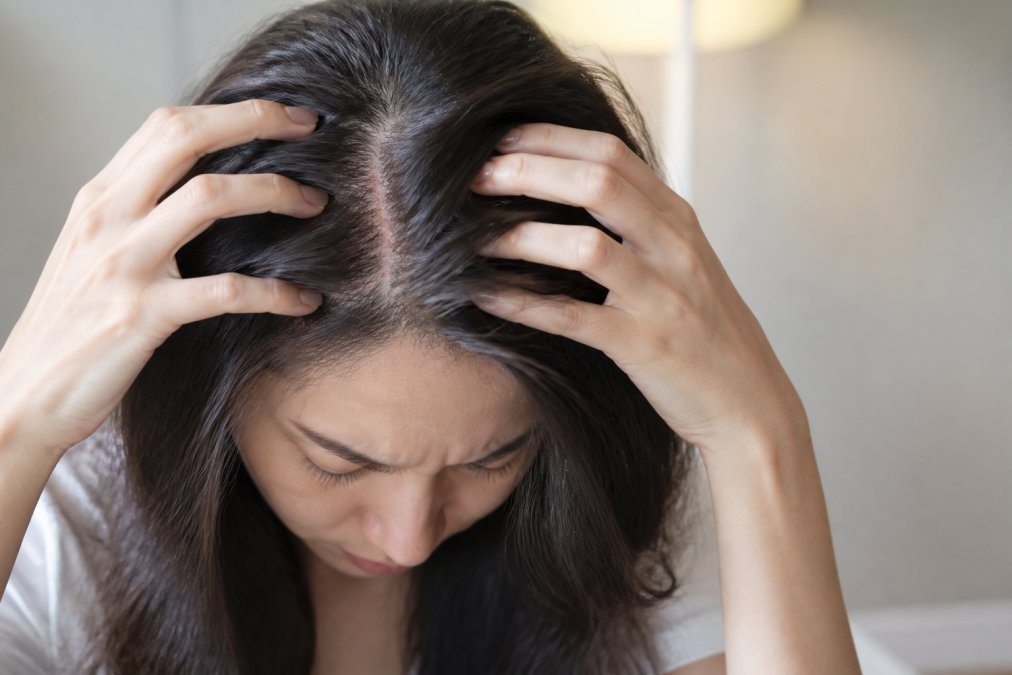
An inflamed scalp is not just a cosmetic nuisance. It is a signal that the skin barrier is compromised, and left unmanaged, it can affect the hair follicle itself.
Symptoms Women Notice First
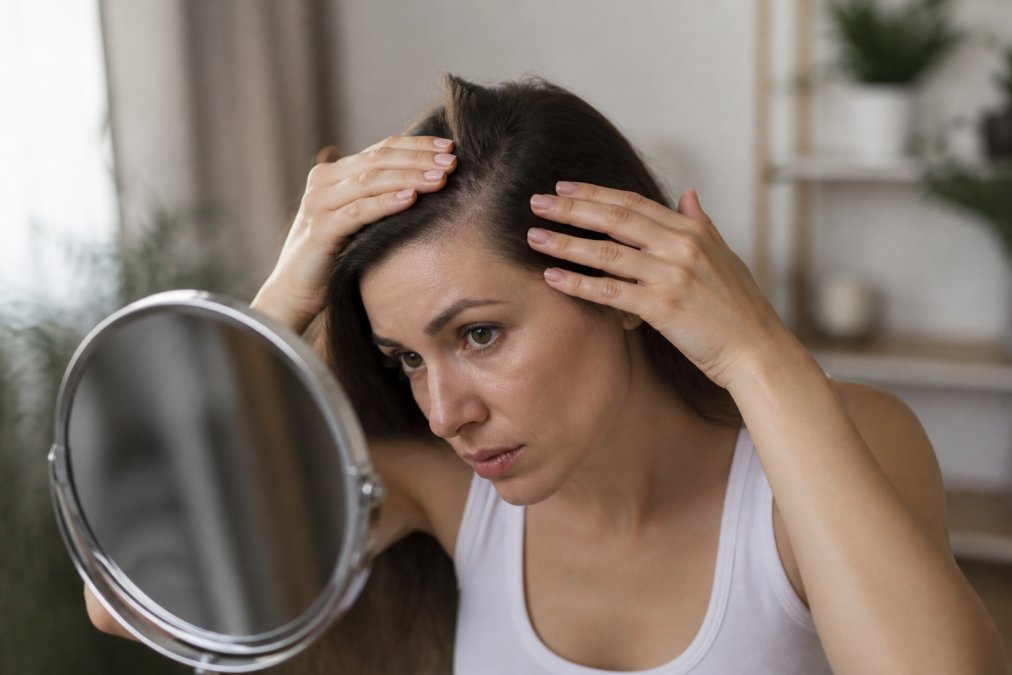
The earliest signs are usually easy to dismiss. Pruritus (itching) is the most common complaint, followed by erythema (redness) along the hairline and part. Many women describe scalp tenderness, a burning sensation, or a tight, dry feeling that persists after washing. Flaking that looks like dandruff but does not respond to standard shampoo is another frequent clue.
Common Causes of Scalp Inflammation in Women
The causes of scalp inflammation in women rarely come down to a single trigger. In practice, most cases involve two or three overlapping factors: a microbial imbalance, a hormonal shift, and an external irritant working together. That is why a treatment that addresses only one cause often fails.
The Scalp Microbiome: A Balance, Not a Battlefield
The scalp hosts a dense community of microorganisms, mainly Malassezia yeast, Cutibacterium bacteria, and Staphylococcus species, that normally coexist without causing trouble. Inflammation typically begins when that balance tips, not when a single "bad" organism appears.
Three things tip the balance:
- Sebum shifts. Rising oil production feeds Malassezia, which is why seborrheic dermatitis flares during hormonal surges.
- Barrier damage. When the skin barrier is compromised, normally harmless bacteria can overgrow and trigger an immune response.
- pH changes. Alkaline cleansers raise scalp pH, favoring organisms that thrive outside the normal acidic range.
Fungal and Bacterial Overgrowth
Malassezia, a yeast that lives on most scalps, can multiply out of control when sebum production rises. The result is seborrheic dermatitis: greasy, yellowish scales with underlying redness. Bacterial overgrowth, often Staphylococcus, produces folliculitis with small, pus-filled bumps around the follicles.
Autoimmune Conditions: Psoriasis and Eczema
Scalp psoriasis is an autoimmune response that speeds up skin cell turnover, producing thick, silvery scales and well-defined red patches. Eczema on the scalp causes intense itching and a broken skin barrier. Alopecia areata, also autoimmune, produces smooth, round bald patches.
Hormonal Triggers, DHT, and Post-Menopausal Changes
Hormones shape scalp health more than most women realize. Androgens, including DHT, shrink susceptible hair follicles and increase oil production, contributing to both inflammation and thinning. Postpartum drops in estrogen often trigger temporary shedding alongside a sensitive, reactive scalp.
Ingredient-Specific Irritants in Hair Products
"Harsh shampoo" is too vague to act on. The specific compounds most often linked to contact irritation and allergic scalp reactions include:
- Sulfates such as sodium lauryl sulfate (SLS) and sodium laureth sulfate (SLES), which strip oils and disrupt the barrier.
- Preservatives like methylisothiazolinone (MI) and methylchloroisothiazolinone (MCI), common sensitizers in rinse-off products.
- Fragrance mixes, "parfum" can contain dozens of undeclared compounds, and fragrance is among the most frequent causes of allergic contact dermatitis.
- Paraphenylenediamine (PPD) in permanent hair dye, a well-known cause of severe scalp reactions.
- Cocamidopropyl betaine, a mild surfactant that nonetheless triggers reactions in some users.
- Propylene glycol, found in many leave-in products, which irritates a subset of sensitive scalps.
Lifestyle and Environmental Triggers
Beyond products and microbes, several everyday factors drive flares:
- Stress raises cortisol and inflammatory signaling, and is one of the most commonly reported flare triggers.
- Diet high in refined sugar and processed fats can promote systemic inflammation.
- Tight hairstyles, braids, ponytails, and extensions, cause traction that inflames follicles over time.
- Heat and sweat trap moisture and oil against the scalp, encouraging overgrowth.
- Hard water and chlorine leave mineral residue that irritates sensitive scalps.
Because these factors stack, the most effective plan usually addresses the top two or three at once rather than chasing a single culprit.
How to Stop Scalp Itching Without Making It Worse
Stopping scalp itching starts with removing the irritant, not adding more products. Most women make itching worse by scratching, over-washing, or switching shampoos repeatedly. Each of these disrupts the barrier further and prolongs the flare.
Try this sequence:
- Wash with a gentle, sulfate-free cleanser no more than every other day.
- Rinse with lukewarm water; hot water strips oils and intensifies itching.
- Apply a fragrance-free moisturizer or scalp oil to calm the barrier.
- Resist scratching; use cool compresses when the urge peaks.
- Track flares against products, stress, and diet to find your triggers.
Natural Remedies for Scalp Inflammation
Natural remedies for scalp inflammation work best as support, not replacement, for proper diagnosis. Several have real anti-inflammatory and antimicrobial properties worth trying.
Scalp Folliculitis Treatment Options
Scalp folliculitis treatment depends on whether the cause is bacterial, fungal, or irritant-based. Mild cases respond to medicated shampoos containing ketoconazole or zinc pyrithione. Bacterial folliculitis may require topical antibiotics, while stubborn cases can need oral medication prescribed by a dermatologist.
| Treatment | Best For | Typical Use |
|---|---|---|
| Ketoconazole shampoo | Fungal overgrowth | 2-3 times weekly |
| Zinc pyrithione | Mild flaking and itch | Every other day |
| Topical antibiotics | Bacterial folliculitis | As prescribed |
| Corticosteroids | Severe flares | Short-term only |
| Scalp biopsy | Unclear diagnosis | One-time procedure |
The Link Between Inflammation and Hair Loss
Chronic inflammation damages the hair follicle and shortens the growth phase, which is why hair thinning so often follows an untreated scalp condition. Inflammatory markers and oxidative stress around the follicle impair its ability to produce a healthy hair shaft, leading to hair shaft damage and gradual miniaturization.
What Happens at the Follicle
The hair follicle cycles through growth (anagen), transition (catagen), and rest (telogen). Inflammation interferes at every stage:
- It shortens anagen. Inflammatory signaling pushes follicles out of the growth phase earlier than normal, so hairs shed before reaching full length.
- It miniaturizes the follicle. Repeated inflammation causes the follicle to produce progressively thinner, shorter hairs, the same pattern seen in androgenetic thinning.
- It damages the follicle's blood supply and stem cells. When inflammation reaches the bulge region where stem cells reside, the follicle's ability to regenerate is compromised.
Reversible vs. Scarring Hair Loss
The single most important distinction is whether the follicle is still alive:
- Non-scarring (reversible) loss, telogen effluvium, alopecia areata, and early androgenetic thinning, can recover once inflammation is controlled.
- Scarring (cicatricial) alopecia, including central centrifugal cicatricial alopecia (CCCA), which disproportionately affects women of African descent, destroys the follicle permanently. Once scarring occurs, regrowth is not possible.
The Emotional Toll of a Painful, Thinning Scalp
Scalp inflammation is not just a physical problem. Chronic itching, burning, and tenderness disrupt sleep and concentration, and the visible shedding that follows often triggers anxiety, embarrassment, and social withdrawal. Many women describe avoiding certain hairstyles, photos, or social situations because of their scalp.
What This Means for Treatment
Because inflammation and hair loss are linked, the goal is to calm the scalp early and keep it calm. That usually means:
- Identifying and removing the trigger (product, microbe, or habit).
- Using anti-inflammatory and antimicrobial treatments as directed.
- Supporting the barrier and microbiome between flares.
- Tracking shedding and symptoms so you can catch a flare before it costs you density.
When to See a Trichologist or Dermatologist
See a professional when symptoms last more than a few weeks, when you notice bald patches, or when over-the-counter treatments stop working. A trichologist specializes in hair and scalp health, while a dermatologist handles skin disease and can perform biopsies and prescribe medication. For chronic conditions like psoriasis or seborrheic dermatitis, a combined approach often works best.
Frequently Asked Questions
How do I get rid of inflammation in my scalp?
Start by identifying the trigger. Scalp inflammation in women often comes from fungal overgrowth, product irritants, or hormonal shifts. A gentle, fragrance-free shampoo, avoiding harsh surfactants, and not scratching can calm mild cases. If redness, scaling, or tenderness persists beyond two weeks, see a dermatologist or trichologist. They can check for conditions like seborrheic dermatitis or folliculitis and recommend targeted treatment.
What vitamin deficiency causes scalp inflammation?
Low levels of vitamin D, B vitamins (especially biotin and B12), and zinc have been linked to scalp inflammation and poor barrier function. Iron deficiency, common in women, can also worsen scalp sensitivity. A blood test can confirm whether you are deficient. Do not self-supplement high doses without testing first, since some vitamins can cause harm in excess. Your doctor can guide appropriate dosing.
Can stress cause scalp inflammation in women?
Yes. Chronic stress raises cortisol, which can disrupt the scalp microbiome, increase oil production, and trigger inflammatory responses. Many women notice flare-ups of itching, tenderness, or flaking during high-stress periods. Managing stress through sleep, movement, and relaxation practices can reduce flare frequency. If stress-related scalp issues persist, a holistic practitioner can help address the mind-body connection alongside topical care.
When should I see a trichologist for scalp inflammation?
See a trichologist if you have persistent redness, scaling, pain, or hair thinning that does not improve with gentle home care after a few weeks. A trichologist specializes in scalp and hair health and can assess barrier function, inflammation markers, and follicle condition. They may refer you to a dermatologist for a scalp biopsy if an autoimmune condition like psoriasis or alopecia areata is suspected.
Scalp inflammation in women is manageable, but it requires addressing the root cause rather than chasing symptoms. Sophiatrichoholistic Hair Spa LLC offers personalized, holistic care that blends clinical trichology with Traditional Chinese Medicine, including microbiome restoration, hormone balancing, and root-level hair regeneration, all designed exclusively for women. Get started with Sophiatrichoholistic Hair Spa LLC and give your scalp the lasting relief it deserves.