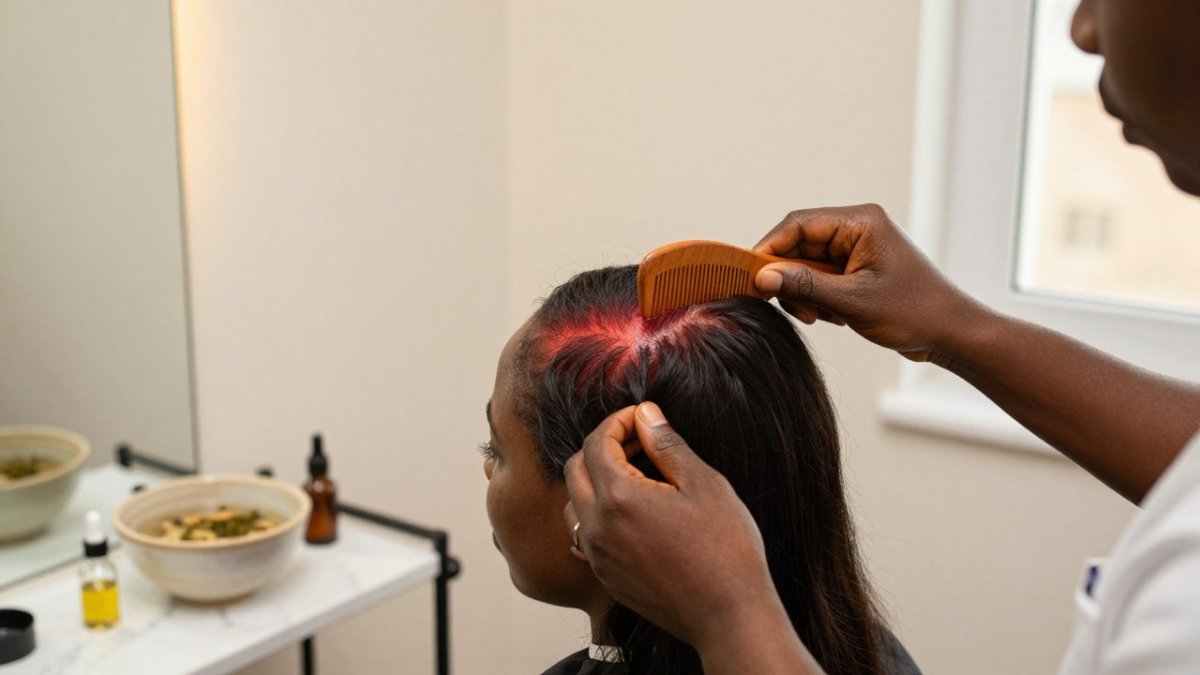
 Ultimate guide
PRP for Thinning Hair: Cost, Success Rate and Trade-Offs
Last Updated: November 16, 2026
Quick Summary
A PRP hair treatment uses concentrated platelets from your own blood, injected into thinning areas of the scalp, to try to support hair growth. Evidence is still developing, so results vary and are not guaranteed.
- PRP is most often considered for early or mild pattern hair loss, not for follicles that have stopped producing hair.
- Sudden, patchy or scaling shedding needs a physician or dermatologist evaluation before any PRP session.
- Results usually appear gradually over three to six months and often require maintenance sessions.
- Ask any clinic how its success rate was measured and for the full treatment protocol behind it.
Table of Contents
- What Platelet-Rich Plasma Is and How It Is Thought to Support Hair Growth
- Who May and Who May Not Benefit From PRP for Thinning Hair
- Diagnosis Comes First: Conditions PRP May Treat and When to Seek Medical Evaluation
- How the PRP Scalp Injection Procedure Is Performed and How Many Sessions Are Typical
- PRP Hair Treatment Success Rate: What the Evidence Shows and What Results to Expect
- Platelet Rich Plasma Treatment for Thinning Hair Cost and What Affects the Price
- PRP Hair Treatment Disadvantages, Side Effects and Whether Results Last Permanently
- Building a Hair Plan Around Your Consultation and Next Steps
- Frequently Asked Questions
What Platelet-Rich Plasma Is and How It Is Thought to Support Hair Growth
Platelet-rich plasma (PRP) is a concentration of a patient's own platelets suspended in a small volume of plasma. Platelets release growth factors that play a role in tissue repair, which is why PRP has been studied for hair thinning. Many people considering a PRP hair treatment want to know whether it addresses the cause of their thinning, or only the symptoms, so it helps to understand the mechanism before deciding.
The working theory is that growth factors may stimulate dormant follicles, prolong the growth phase of the hair cycle, and support blood supply to the scalp. This explanation comes mainly from laboratory and small clinical work, and the evidence is still developing. Regenerative medicine researchers continue to debate which growth factors matter most and how much PRP is needed for a meaningful effect. Treat the mechanism as a hypothesis under study rather than settled science.
What the Blood Draw and Platelet Preparation Involve
The process starts with a standard blood draw, usually from the arm, similar to a routine lab test. The blood is placed in a tube and spun in a centrifuge, which separates the platelet-rich layer from red and white blood cells. Preparation methods differ between clinics, including the centrifugation speed, spin time, and how much plasma is retained. Ask any provider which preparation protocol they use and how they document platelet concentration.
Who May and Who May Not Benefit From PRP for Thinning Hair
PRP is most often considered for androgenetic alopecia, pattern hair loss driven by genetics and hormones, in both women and men. Within that group, the people most likely to be offered treatment are those with early thinning and follicles that are miniaturized but still active. Once a follicle has stopped producing hair entirely, PRP is unlikely to bring it back, which is why timing and staging matter more than most marketing suggests.
A reasonable candidate profile looks like this: a confirmed diagnosis of pattern hair loss, visible thinning that is recent or mild to moderate, no active scalp infection or inflammation, no bleeding or platelet disorder, and a willingness to commit to an initial series plus maintenance. Some clinicians also consider PRP for people who have not responded adequately to first-line medications such as minoxidil or finasteride, but combination treatment should be guided by a physician rather than assumed to work.
Several groups are unlikely to benefit, and some should not proceed at all. People with advanced hair loss and widespread smooth scalp have little follicle activity left for PRP to act on. Anyone whose thinning is caused by an underlying condition, thyroid disease, iron deficiency, an autoimmune disorder, or a nutritional deficiency, needs that condition addressed first, because PRP will not correct the driver. Active scalp infection, certain blood disorders, and medications that affect platelet function are reasons to pause and consult a physician before any injection.
Sudden or patchy shedding deserves a medical evaluation before PRP is considered. Telogen effluvium after childbirth, illness, or significant stress often resolves on its own over several months, and alopecia areata, smooth, well-defined patches, follows a different treatment path entirely. Offering PRP in those situations can delay the diagnosis and care that actually fits.
Watch out: the most common mistake is treating PRP as a first step for any kind of shedding. If hair loss is sudden, patchy, accompanied by scalp pain, itching, or scaling, or has persisted for more than a few months, see a physician or dermatologist for examination and blood testing before booking a PRP session. A clinician can distinguish pattern loss from shedding disorders and scalp disease, and a trichologist can assess hair and scalp health and refer you onward when medical care is needed, trichology complements but does not replace a medical diagnosis.
Diagnosis Comes First: Conditions PRP May Treat and When to Seek Medical Evaluation
Before any PRP treatment, a proper diagnosis matters more than most people expect. Thinning can result from telogen effluvium after childbirth or illness, alopecia areata, scalp inflammation, nutritional deficiencies, or hormonal changes, and each has a different treatment path. Postpartum shedding, for example, often resolves on its own over several months, while patchy loss with smooth areas may point to alopecia areata, which requires different care.
See a physician or dermatologist if shedding is sudden, patchy, accompanied by scalp pain or scaling, or has lasted more than a few months. A clinician can order blood tests and examine the scalp. A trichologist can also assess hair and scalp health and refer you to medical care when needed. Clinical trichology complements, but does not replace, a medical evaluation.
How the PRP Scalp Injection Procedure Is Performed and How Many Sessions Are Typical
On treatment day, the scalp is usually cleaned and may be numbed with a topical anesthetic. The prepared PRP is then injected into the thinning areas with a fine needle, often in a grid pattern across the scalp. The session typically takes under an hour, and most people return to normal activities the same day, though some experience tenderness or mild swelling.
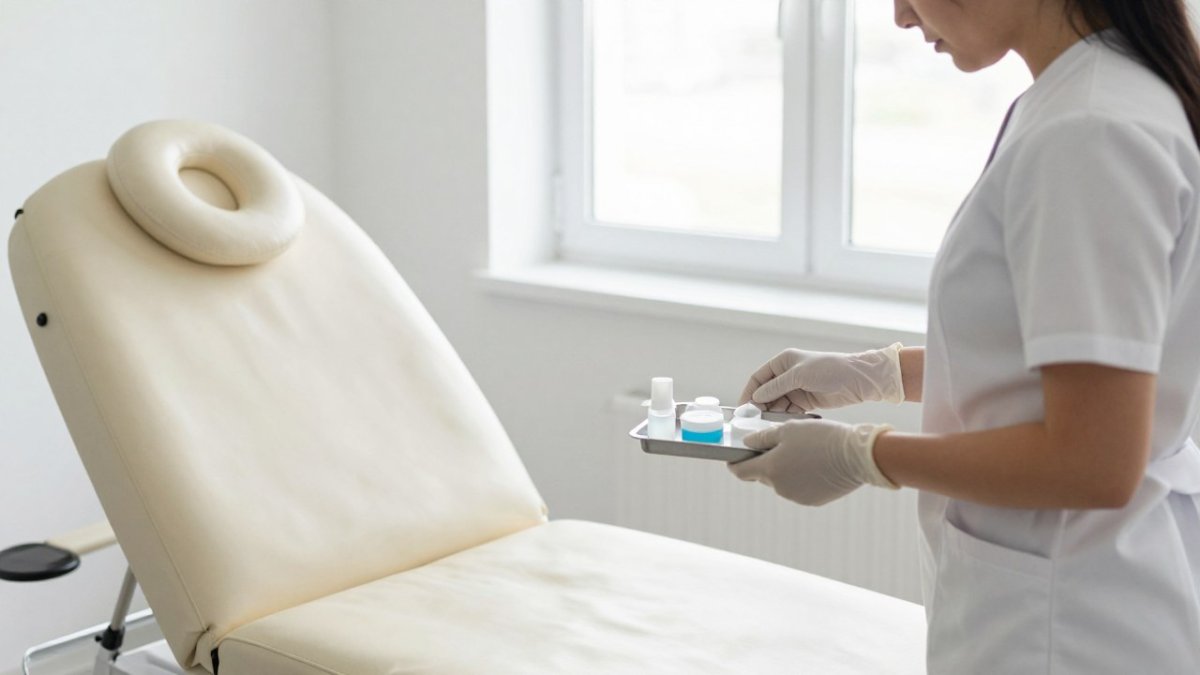
Protocols vary, but many clinicians recommend an initial series of sessions spaced several weeks apart, followed by periodic maintenance treatments. Standardized protocols are still lacking in the research, so the number of sessions should be explained by your provider and reviewed against your response over time.
PRP Hair Treatment Success Rate: What the Evidence Shows and What Results to Expect
There is no single, reliable PRP hair treatment success rate, and any clinic that quotes one should be asked how it was derived. The published research is best read as a set of small, heterogeneous studies rather than a predictable outcome curve. Most randomized trials enroll a few dozen participants, follow them for six months or less, and measure hair density or hair count in a small target area of the scalp, not whether a person's overall appearance or confidence changed. That distinction matters when you are deciding whether to spend money on a course of treatment.
A second limitation is that PRP is not one standardized product. Platelet concentration, the ratio of platelets to red blood cells, activation method, injection volume, needle depth, and the number of sessions all vary between studies and between clinics. Two trials that both say 'PRP for androgenetic alopecia' may be testing meaningfully different preparations, which is a major reason systematic reviews struggle to pool results and why reported outcomes range from no measurable difference to modest increases in hair density.
What research most consistently measures is change in hair density and hair diameter in a defined scalp region, sometimes alongside a global photographic assessment by investigators. Patient-reported satisfaction is reported less often and is harder to compare across studies. A common pattern in the literature is that some participants show measurable improvement while others show little or none, and the field has not identified a reliable way to predict in advance which group a given person will fall into.
Realistic expectations follow from that. Most practitioners find that responders notice gradual changes over three to six months rather than rapid regrowth, that results depend on the cause and stage of thinning, and that benefits often fade without maintenance sessions. PRP is not a cure for pattern hair loss, and it does not restore follicles that have already stopped producing hair. Treat any specific percentage or 'success rate' as a marketing claim until you have seen the underlying data and the protocol it was measured under.
Watch out: a clinic that presents a single impressive before-and-after photo without stating the treatment schedule, the co-treatments used, or the time between photos is showing you an anecdote, not evidence. Ask for the full protocol and the follow-up interval behind any result you are shown.
The article notes that published results vary widely, so it helps to check what a claimed success rate is actually based on.
| Evidence type | What it measures | Caution |
|---|---|---|
| Randomized trials | Hair density or hair count in a small scalp area | Usually a few dozen participants |
| Follow-up period | Results over six months or less | Longer-term effects are unclear |
| Clinic before-and-after photos | Individual cases, not controlled data | Treatment schedule often not stated |
| Patient satisfaction | Reported less often, hard to compare | Not standardized across studies |
| Typical timeline | Gradual change over three to six months | Rapid regrowth is not the norm |
Platelet Rich Plasma Treatment for Thinning Hair Cost and What Affects the Price
Pricing depends on factors such as the number of sessions, the clinic's location, the provider's credentials, and whether maintenance visits are included. Check the business's website or contact them directly for current costs and any package options.
Ask about total cost across the full recommended course, not just the price of one session, and whether follow-up assessments are included. Compare that figure against the expected duration of treatment, since maintenance may be needed to sustain results.
PRP Hair Treatment Disadvantages, Side Effects and Whether Results Last Permanently
Side effects are generally mild and short-lived, including scalp soreness, redness, swelling, headache, and small bumps at injection sites. Infection is uncommon but possible, which is why sterile technique matters. Because PRP uses your own blood, allergic reactions are rare, though they can still occur with topical anesthetics.
The main disadvantages are cost, the time commitment, uncertain results, and the need for repeat sessions. Results usually are not permanent. If the underlying cause of thinning continues, the benefit may fade, so maintenance treatments are often part of the plan. Discuss the total commitment before starting.
Building a Hair Plan Around Your Consultation and Next Steps
PRP works best as one part of a broader plan rather than a standalone fix. Your plan may combine a medically supervised option such as minoxidil, scalp care, nutritional review, and lifestyle changes, all guided by a diagnosis. A consultation with a qualified professional can help you sort through the options. Speak with a physician or qualified hair specialist to discuss whether PRP fits your situation and what a realistic plan would look like.
Frequently Asked Questions
Does PRP really work for thinning hair?
Research on PRP for thinning hair, mainly androgenetic alopecia, shows some participants gain hair count or thickness, but studies vary in size, protocol and quality, and results are not consistent for everyone. Effect sizes are often modest. Results depend on the underlying cause of hair loss, so a clinician should confirm the diagnosis before treatment. Ask for realistic expectations and measurable endpoints, such as photographs or hair-count assessments taken at set intervals.
Who is a good candidate for PRP hair treatment?
People with early or moderate thinning, particularly androgenetic alopecia, may be considered candidates, while those with certain scarring alopecias, active infections, bleeding disorders or certain medication use may be poor candidates. Because thinning has many causes, including thyroid problems, nutritional deficiencies and medication effects, a medical evaluation is important first. A dermatologist or qualified hair specialist can advise whether PRP fits your situation.
How many PRP treatments are needed for hair loss?
Protocols vary, but many clinicians recommend an initial series of sessions spaced several weeks apart, followed by periodic maintenance treatments. Published studies have used different schedules, so there is no single standardized protocol. Your provider should explain the planned number of sessions, how progress will be measured and when the plan will be reviewed. Ask for this in writing before you begin.
What is the average cost of PRP for hair loss?
Pricing depends on the clinic, the number of sessions, whether maintenance is included and how the treatment is packaged. Pricing varies, so please check the relevant provider's website or contact them directly for current pricing or a personalized quote. Compare what each plan includes, such as the consultation, the blood draw and follow-up assessments.