 Ultimate guide
Stress and Hair Thinning: The Science Behind the Link
Last Updated: October 22, 2026
Quick Summary
Stress hair thinning occurs when stress hormones like cortisol disrupt your hair growth cycle, pushing follicles prematurely out of their growth phase into the resting phase. This stress-related shedding, called telogen effluvium, is temporary and reversible, typically lasting 3 to 6 months once the stressor resolves.
- Normally you lose 50 to 100 hairs daily, but telogen effluvium can cause shedding of 300 to 400 hairs per day or more.
- Stress-related hair loss appears 2 to 3 months after the stressful event due to your hair growth cycle delay.
- Most of your hair, roughly 85 to 90 percent, is in the active growth phase at any given time.
- Stress management practices like deep breathing, meditation, and physical activity reduce cortisol and support hair recovery.
- Hair regrowth takes time; visible new growth typically appears 3 to 4 months after shedding stops, with complete recovery in 12 to 18 months.
Table of Contents
- Can Stress Cause Hair Thinning and Hair Loss?
- How Stress Affects Your Hair Growth Cycle
- Understanding Telogen Effluvium and Stress-Related Shedding
- The Timeline: When Does Stress-Related Hair Loss Appear?
- How to Stop Excessive Hair Shedding from Stress
- How Long Does Stress-Related Hair Loss Last?
- Hair Regrowth After Stress: What to Expect
- Distinguishing Stress-Related Hair Loss from Other Causes
- Frequently Asked Questions
Can Stress Cause Hair Thinning and Hair Loss?
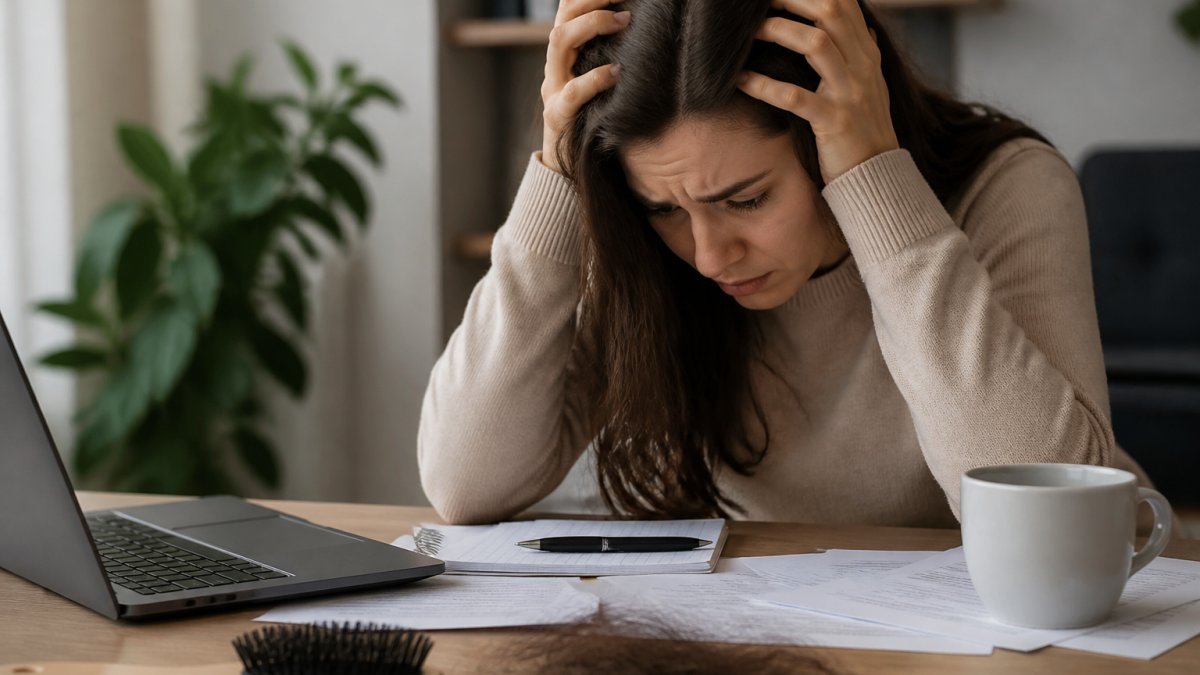
Yes, stress hair thinning and hair loss are directly connected, occurring when your body experiences significant stress. When your body experiences significant stress, whether emotional, physical, or both, it triggers a cascade of physiological changes that disrupt your hair growth cycle.
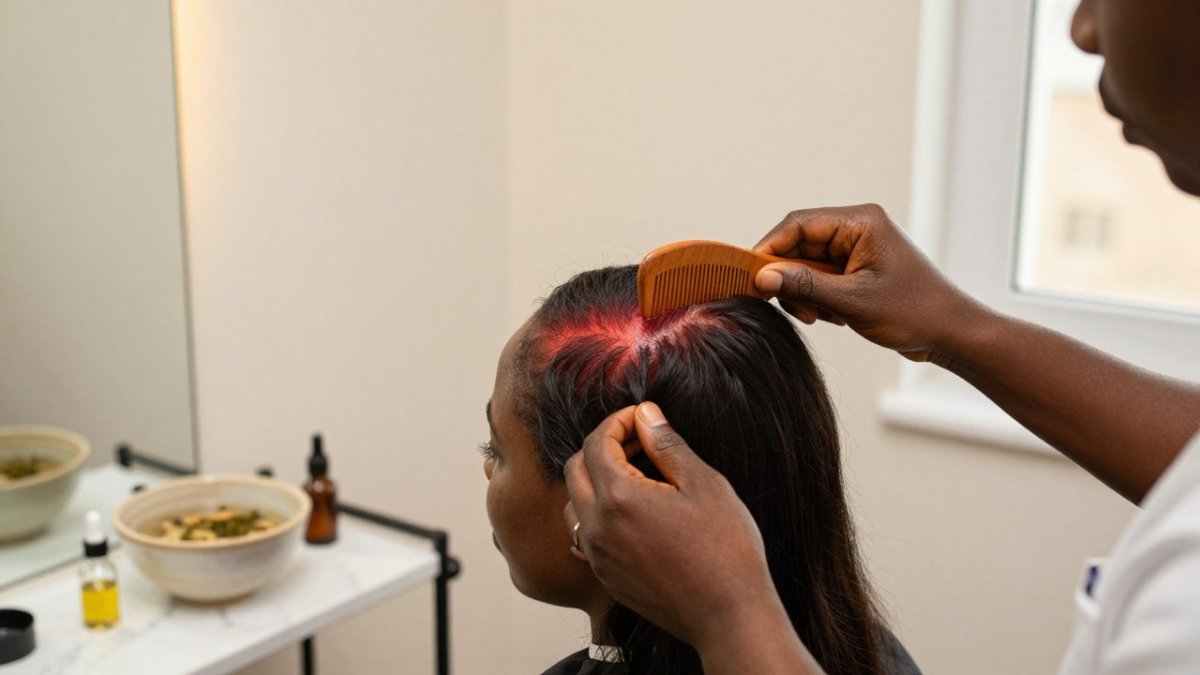
At Sophiatrichoholistic Hair Spa LLC, we understand that many women notice their hair thinning or shedding increases during periods of high stress. Stress activates your body's fight-or-flight response, redirecting resources away from non-essential functions like hair growth and pushing follicles out of their growth phase prematurely.
The relationship between stress and hair thinning operates through multiple pathways. Acute stress, a single traumatic event or crisis, can trigger shedding weeks or months later.
How Stress Affects Your Hair Growth Cycle
Your hair doesn't grow continuously. Each strand moves through distinct phases, and stress hormones can force hair follicles to skip phases or exit prematurely, leading to visible thinning and increased shedding.
The Three Phases of Hair Growth
Hair grows in three interconnected phases. The anagen phase (growth phase) lasts 2 to 7 years, during which hair actively extends from the follicle. Most of your hair, roughly 85 to 90 percent, is in this phase at any given time. This is when hair cells divide rapidly and the strand lengthens.
The catagen phase (transition phase) is brief, lasting only 1 to 2 weeks. Hair growth stops, the follicle begins to shrink, and the hair detaches from its blood supply.
The telogen phase (resting phase) lasts 2 to 3 months. Hair remains in the follicle but no longer grows. At the end of telogen, the hair sheds naturally, and a new anagen phase begins for that follicle. This cycle repeats throughout your life, and normally you lose 50 to 100 hairs daily as old telogen hairs shed (ncbi.nlm.nih.gov).
Where Stress Disrupts the Cycle
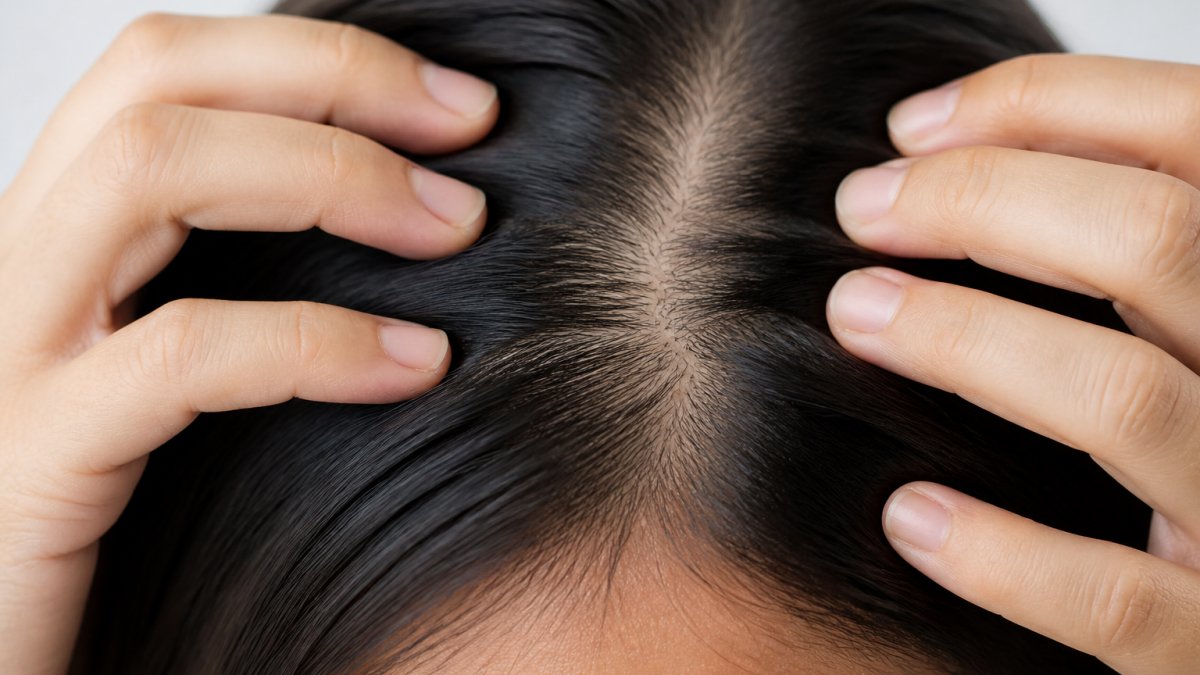
Stress hormones, particularly cortisol, interfere with the signals that keep hair in the anagen phase. Under chronic stress, follicles shift into telogen prematurely, receiving a signal to stop investing energy in growth and prepare for shedding instead.
Stress also constricts blood vessels, reducing oxygen and nutrient delivery to hair follicles. Follicles starved of these essentials cannot sustain active hair growth, resulting in weakened strands that break more easily and follicles that exit growth phase ahead of schedule.
Additionally, stress triggers inflammation throughout your body, including in the scalp. Inflammatory molecules interfere with the delicate signaling between immune cells and hair follicles. For women with conditions like seborrheic dermatitis or psoriasis, stress-induced inflammation can dramatically worsen scalp health and accelerate hair loss.
Understanding Telogen Effluvium and Stress-Related Shedding
Telogen effluvium is the medical term for stress-related hair shedding. It occurs when a larger-than-normal percentage of hair follicles shift into the telogen (resting) phase simultaneously.
Telogen effluvium is temporary and reversible, unlike permanent androgenetic alopecia (pattern baldness). The follicles remain healthy, simply in a resting state; once the triggering stress resolves, they resume their growth cycle.
The condition typically develops in response to a significant stressor: job loss, relationship breakdown, major illness, surgery, prolonged anxiety, extreme dieting, or rapid weight loss. Your body perceives a threat to its stability and responds by conserving resources, which means pausing hair growth.
Women often describe telogen effluvium as hair coming out in clumps when shampooing or brushing. You might notice more hair on your pillow or in the drain.
The Timeline: When Does Stress-Related Hair Loss Appear?
One of the most confusing aspects of stress-related hair loss is the delay between the stressful event and visible shedding, which exists because of how the hair growth cycle operates.
When stress hits, it doesn't immediately cause hair to fall out. Stress hormones signal anagen-phase follicles to transition to telogen, a shift that takes 2 to 3 months.
You typically won't notice significant shedding until 2 to 3 months after the stressful event. For many women, this delay creates confusion: life has stabilized, yet the hair loss is just beginning, triggered months earlier.
The shedding phase itself usually lasts 3 to 6 months. During this window, you shed more hair than normal as those stress-affected follicles complete telogen and release their hairs. Once the shedding phase ends, regrowth begins, but again, there's a delay before you see visible new growth.
Understanding this timeline matters for the psychological impact. The shedding is not a sign that your stress is ongoing; it is evidence your body is moving through the cycle, which can reduce the anxiety that often accompanies stress-related hair loss.
How to Stop Excessive Hair Shedding from Stress
You cannot stop the shedding process once telogen effluvium has begun, but you can support your body's recovery and prevent the stress response from worsening. The goal is to stabilize your physiology so that new follicles can enter and complete the anagen phase without interruption.
Stress Management Techniques
Reducing active stress is the foundation of recovery, addressing both the source of stress and your nervous system's response. Practices that activate your parasympathetic rest-and-digest mode directly counteract the stress response that disrupts hair growth.
Deep breathing exercises are among the most accessible tools. Slow, deliberate breathing signals safety to your nervous system.
Meditation and mindfulness train your mind to observe stress without being consumed by it.
Physical movement, walking, yoga, swimming, or any activity you enjoy, metabolizes stress hormones, releases endorphins, and improves blood flow, including to your scalp.
Sleep quality directly affects stress management and hair growth. During deep sleep, your body repairs tissues and regulates hormones. Aim for 7 to 9 hours nightly; if stress disrupts sleep, addressing it becomes a recovery priority.
Start Your Hair & Scalp Healing Journey →
Scalp Health and Nutrition
Your scalp's health determines how well follicles function. Inflammation, poor circulation, and microbial imbalance interfere with hair growth, so supporting scalp health accelerates recovery from stress-related shedding.
Scalp care starts with gentle cleansing. Harsh sulfate-containing shampoos strip natural oils and disrupt the scalp microbiome, so choose sulfate-free, pH-balanced cleansers that preserve the protective barrier.
Adequate protein intake is essential because hair is made primarily of a protein called keratin. Your body cannot build new hair without sufficient amino acids.
Iron deficiency impairs hair growth because iron is required for oxygen transport to follicles.
Zinc, selenium, and B vitamins support hair growth and immune function and are found in whole grains, nuts, seeds, and leafy greens.
Hydration supports every physiological process, including hair growth.
How Long Does Stress-Related Hair Loss Last?
The duration of stress-related hair loss depends on when the triggering stress resolves and how effectively you support your body's recovery. For most women, the shedding phase lasts 3 to 6 months from onset.
If the stressor is acute and you move past it relatively quickly, shedding typically peaks within 3 to 4 months and then gradually decreases. By 6 months, most women notice a significant reduction in daily hair loss.
If stress is chronic, ongoing work pressure, relationship strain, or unresolved health concerns, the shedding can persist longer. Chronic stress keeps cortisol elevated, which means follicles continue receiving signals to exit growth phase.
This is why stress management is not optional during this phase. Your physiology cannot shift into recovery mode while the stress response remains activated.
Hair Regrowth After Stress: What to Expect
Once the shedding phase ends, regrowth begins. New hairs emerge from follicles that have completed telogen and are entering anagen again. However, visible regrowth takes time because hair grows slowly, roughly half an inch per month.
Within 3 to 4 months after shedding stops, you may notice fine, short hairs emerging across your scalp as a fuzz or stubble-like texture. This is a positive sign that follicles are re-entering growth phase.
By 6 to 12 months after shedding stops, these new hairs will have grown longer and blended with your existing hair. Hair density will appear fuller, and the thinning will become less noticeable.
During regrowth, continue supporting your body with stress management, good nutrition, and scalp care. These practices accelerate recovery and reduce the risk of another stress-triggered shedding cycle.
Distinguishing Stress-Related Hair Loss from Other Causes
Not all stress hair thinning is caused by stress alone; several other conditions produce similar symptoms.
Pattern baldness (androgenetic alopecia) is genetic and permanent. It involves miniaturization of hair follicles due to sensitivity to the hormone DHT.
Nutritional deficiencies cause hair loss when your body lacks essential nutrients.
Thyroid disorders disrupt hormone balance and can trigger shedding similar to stress-related loss.
Autoimmune conditions like alopecia areata cause patchy hair loss where the immune system attacks hair follicles. This produces distinct bald patches rather than diffuse thinning.
Scalp conditions like seborrheic dermatitis or psoriasis cause inflammation that impairs hair growth, with visible symptoms such as redness, flaking, itching, or oiliness.
The key distinction is that stress-related shedding is diffuse (affecting your entire scalp), temporary (lasting weeks to months), and reversible.
At Sophiatrichoholistic Hair Spa LLC, our approach integrates Traditional Chinese Medicine with clinical trichology to identify the root cause of your hair loss. Whether your thinning stems from stress, hormonal imbalance, scalp inflammation, or a combination of factors, personalized evaluation determines the most effective path to recovery.
If stress has triggered noticeable hair thinning, the good news is that this type of shedding is temporary and reversible. According to research on stress physiology from the American Psychological Association, consistent stress reduction practices produce measurable changes in cortisol and nervous system function within 4 to 8 weeks.
Frequently Asked Questions
Can stress actually cause hair thinning, or is that just a myth?
Stress does cause hair thinning and shedding through a process called telogen effluvium. When you experience emotional or physical stress, elevated cortisol levels push hair follicles prematurely into the resting phase, where they shed within two to three months. This is not a myth, it's a documented physiological response. However, not everyone who experiences stress will develop noticeable hair loss; individual factors like genetics, overall health, and stress duration all play a role.
How long after a stressful event does stress-related hair loss begin?
Hair shedding from stress typically appears two to three months after the stressful event or period. This delay occurs because hair in the anagen (growth) phase takes time to transition to the telogen (resting) phase before it sheds. This three-month lag is why many people don't immediately connect their hair loss to a specific stressor. Understanding this timeline helps you identify stress as the cause rather than assuming a sudden change in hair care routine or diet is responsible.
How long does stress-related hair loss last, and will my hair grow back?
Most stress-related hair loss resolves within three to six months once the stress is managed or removed. Hair regrowth after stress typically takes four to six months to become visibly noticeable, though full density restoration may take longer. The key is addressing the underlying stress and supporting scalp health through proper nutrition, sleep, and stress management. If shedding persists beyond six months or worsens, consult a trichologist or dermatologist to rule out other causes.
What's the difference between acute stress and chronic stress when it comes to hair thinning?
Acute stress (a single traumatic event or brief period) typically triggers temporary telogen effluvium that resolves once the stressor passes. Chronic stress (ongoing anxiety, work pressure, or life challenges) can cause prolonged or repeated hair loss cycles because cortisol levels remain elevated. Chronic stress may also trigger or worsen other hair loss conditions and can impair the scalp microbiome and nutrient absorption. Managing chronic stress through relaxation techniques, adequate sleep, and professional support is essential for sustained hair regrowth.