 Listicle
7 Effective Alopecia Treatments for Women
Table of Contents
- Understanding Causes of Female Alopecia
- 1. Minoxidil (Rogaine): FDA-Approved Topical Treatment
- 2. Prescription Hormonal Therapies for Hair Loss
- 3. Platelet-Rich Plasma (PRP) Therapy
- Natural Hair Regrowth for Women: Holistic and Botanical Approaches
- Managing Scalp Inflammation and Microbiome Health
- Combining Treatments: What Works Best for Alopecia in Women
- Frequently Asked Questions
Last Updated: September 30, 2026
Understanding Causes of Female Alopecia
Female alopecia encompasses several distinct conditions. Androgenetic alopecia, the most common form, occurs when hair follicles become sensitive to dihydrotestosterone (DHT), causing them to miniaturize over time and produce thinner, shorter hairs.
Other forms include telogen effluvium (stress-triggered shedding), alopecia areata (autoimmune attack on follicles), and postpartum hair loss (which typically resolves within 6 to 12 months).
Identifying the root cause is essential because effective alopecia treatments for women depend on matching the intervention to the specific condition, whether hormonal sensitivity, inflammation, nutritional deficiency, or systemic imbalance.
Contributing factors include nutritional gaps (iron, zinc, biotin, protein), chronic stress, hormonal fluctuations, and scalp inflammation. Most women have overlapping causes, making comprehensive evaluation essential before selecting alopecia treatments for women.
1. Minoxidil (Rogaine): FDA-Approved Topical Treatment
Minoxidil is an FDA-approved topical treatment applied twice daily to stimulate hair follicles and extend the active growth phase by increasing blood flow and prolonging the anagen (growth) phase.
Available in liquid, foam, and shampoo formulations, minoxidil shows initial results within 3 to 4 months and full benefits around 6 months. It requires ongoing application; stopping treatment causes regrowth to cease within weeks.
Minoxidil's main advantage is availability without prescription and low cost. The main limitation is commitment: twice-daily application must continue indefinitely to maintain results. Some users experience scalp irritation, dryness, or facial hair growth, though these typically diminish with continued use.
For women with androgenetic alopecia who need an accessible, evidence-backed starting point, minoxidil delivers measurable results. It's not a cure, it's a maintenance therapy that works only while you use it.
2. Prescription Hormonal Therapies for Hair Loss
Hormonal imbalances drive much female hair loss. Two prescription medications address this: spironolactone and finasteride, each working through different hormonal mechanisms.
Spironolactone blocks androgens that trigger follicle miniaturization. Taken orally at 50-200 mg daily, it addresses the hormonal root cause. Women with androgenetic alopecia or PCOS-linked hair loss often respond well.
Spironolactone requires regular blood pressure and potassium monitoring. Results take 6 to 12 months. Side effects may include dizziness, irregular menstrual cycles, or breast tenderness, though many women tolerate it well.
Finasteride blocks the enzyme converting testosterone to DHT. Prescribed off-label for women with androgenetic alopecia at 1 mg daily, it requires 6 to 12 months for visible improvement.
Finasteride can harm a developing male fetus, requiring reliable contraception for women of childbearing potential.
Both work best when hair loss stems from androgen sensitivity. Dermatological consultation with blood work and hormone testing determines suitability.
3. Platelet-Rich Plasma (PRP) Therapy
PRP therapy harnesses the body's healing factors to stimulate hair follicles. Blood is drawn, processed to concentrate platelets and growth factors, then injected into the scalp.
PRP contains growth factors (PDGF, VEGF) that promote cell proliferation and blood flow to hair follicles, targeting the dermal papilla at the follicle base.
Typical protocols involve 3 to 4 monthly injections, then maintenance every 6 to 12 months. Hair density improvements appear 2 to 3 months after the first treatment. PRP works best combined with minoxidil or hormonal therapy rather than alone.
PRP appeals for its regenerative approach and minimal systemic side effects. Allergic reactions are rare since it uses the patient's own blood. Scalp tenderness and swelling resolve within 24-48 hours.
PRP doesn't address hormonal imbalances or autoimmune conditions like alopecia areata. It works best for androgenetic alopecia and telogen effluvium when combined with other interventions. Cost varies widely; discuss expectations and pricing before starting.
Natural Hair Regrowth for Women: Holistic and Botanical Approaches
Natural hair regrowth strategies address nutritional, inflammatory, and systemic factors underlying alopecia. They work alongside clinical treatments or as primary interventions, and address the psychological toll that clinical treatments overlook.
Physical Foundations: Nutrition, Botanicals, and Scalp Health
Nutritional support forms the foundation of holistic hair restoration. Hair follicles require protein, iron, zinc, biotin, and vitamin D. Addressing deficiencies through diet or supplementation can slow shedding and support the hair growth cycle.
Iron deficiency correlates strongly with telogen effluvium; ferritin below 30 ng/mL increases shedding. Zinc impairs protein synthesis and immune function. Biotin supports keratin production. Vitamin D regulates immune response and follicle cycling. Blood work identifies specific deficiencies for targeted supplementation.
Start Your Hair & Scalp Healing Journey →
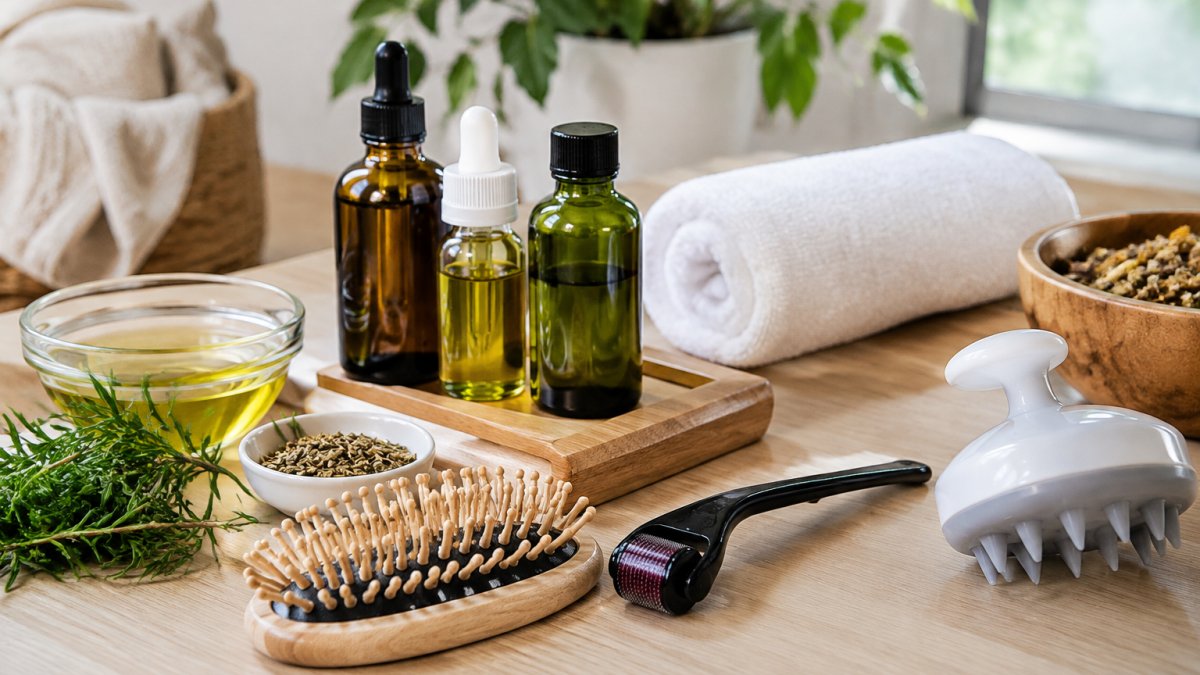
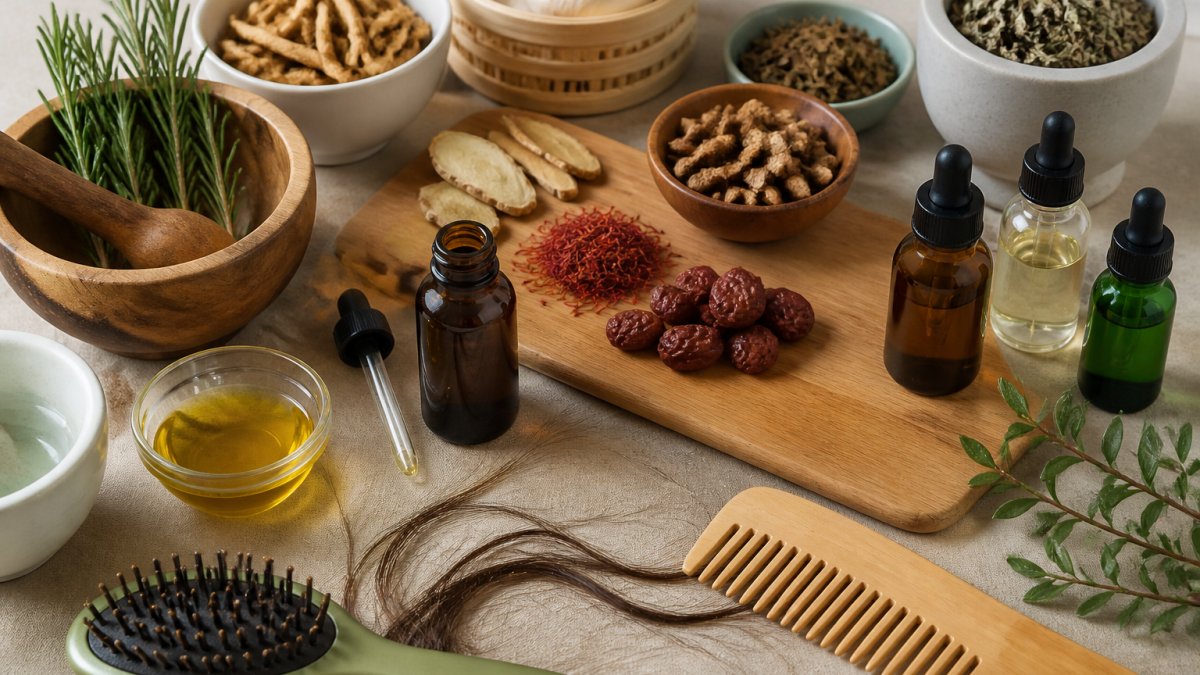
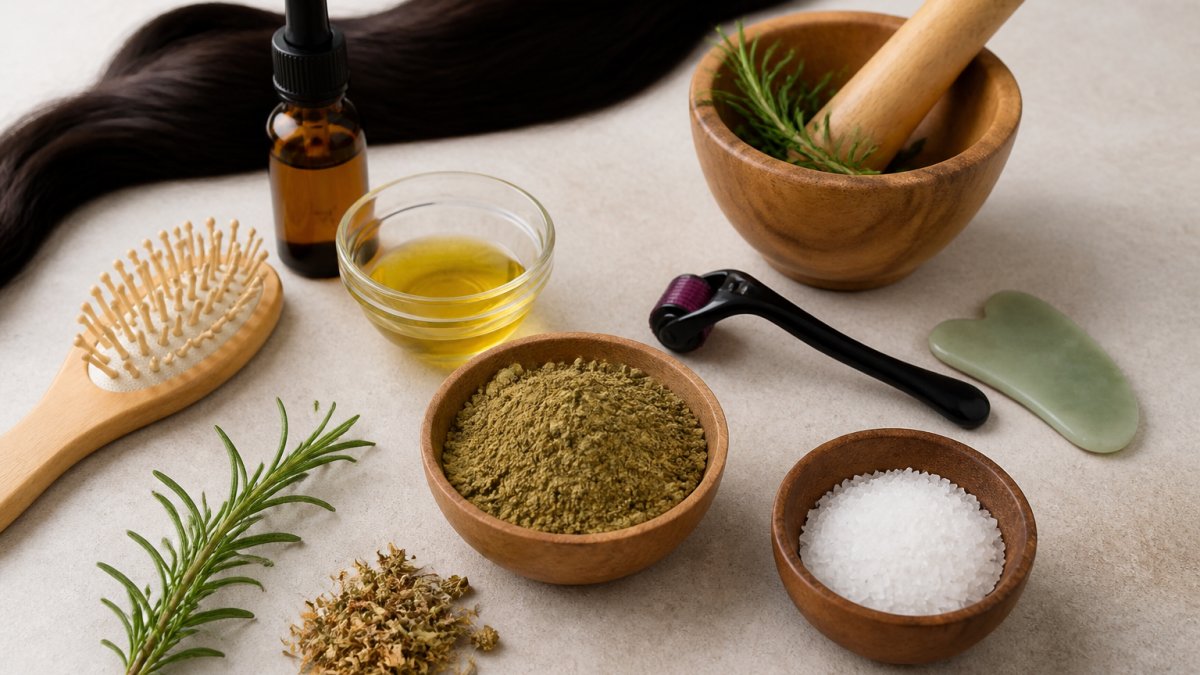
Botanical remedies include saw palmetto (may inhibit DHT), ginseng, reishi, and ashwagandha (support stress resilience and hormonal balance), and scalp herbs like rosemary and peppermint (improve circulation and reduce inflammation).
Stress reduction directly impacts hair health. Chronic stress elevates cortisol, disrupting hormonal balance and triggering telogen effluvium. Acupuncture, meditation, yoga, and sleep address the nervous system component.
Dietary choices matter. Anti-inflammatory eating patterns, emphasizing omega-3 fatty acids, antioxidants, and whole foods while minimizing processed foods and excess sugar, create an internal environment that supports scalp health and hair regeneration.
Natural approaches take 3 to 6 months to show results by gradually rebalancing the body's systems. They complement clinical treatments and appeal to women seeking sustainable, root-cause solutions.
The Emotional Dimension: Addressing the Psychological Impact of Alopecia
While minoxidil and hormonal therapy address hair loss mechanically, they don't address the emotional and psychological toll. Hair loss affects identity, self-esteem, social confidence, and mental health.
Women with alopecia experience elevated anxiety and depression, social withdrawal, and diminished quality of life. The psychological impact often exceeds the physical impact, yet most dermatological approaches ignore it.
Mind-body therapies like acupuncture, meditation, and yoga activate the parasympathetic nervous system, reducing cortisol and creating a sense of agency. The ritual of self-care creates psychological benefit independent of physical treatment.
Community and support reduce isolation and normalize the experience. Support groups help women share strategies and feel less alone.
Reframing and acceptance work acknowledges that not all hair loss reverses and self-worth isn't dependent on hair density. Combining active treatment with acceptance practices reduces anxiety and improves well-being. (Source: National Institutes of Health (NIH) on androgenetic alopecia)
Nervous system support addresses the stress-hair loss cycle. Adaptogens (ashwagandha, rhodiola), B vitamins, and magnesium reduce cortisol and anxiety, creating a positive feedback loop.
Managing Scalp Inflammation and Microbiome Health
Scalp inflammation and dysbiosis (microbial imbalance) contribute significantly to hair loss and scalp conditions. A healthy scalp microbiome supports follicle health and prevents inflammatory reactions.
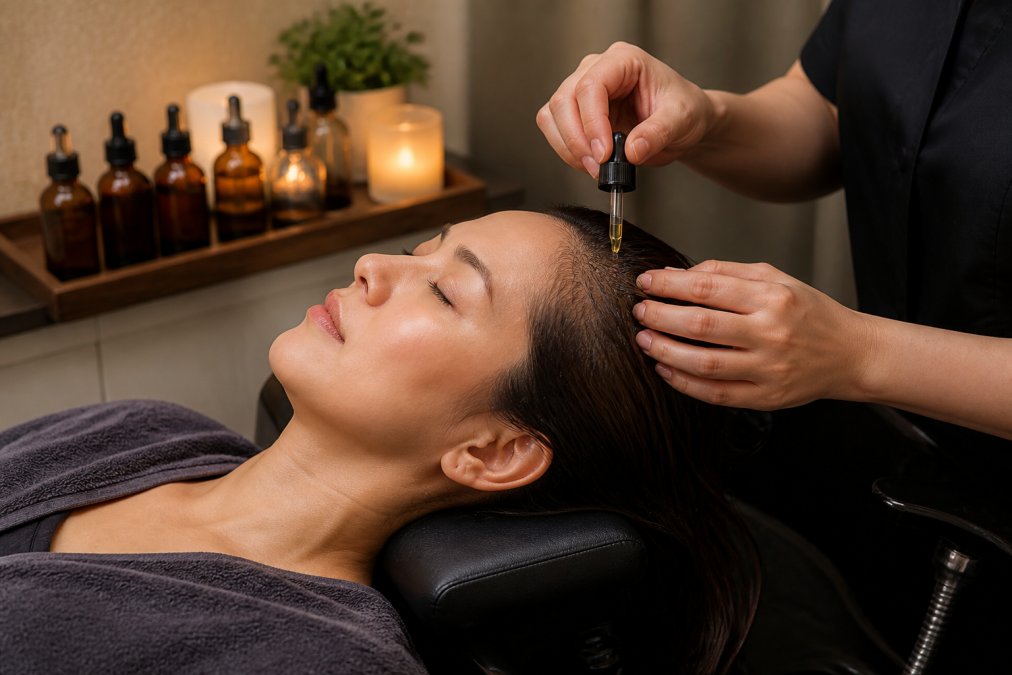
Inflammation damages the dermal papilla and disrupts the hair growth cycle. Dysbiosis allows pathogens to proliferate, triggering itching and flaking. Addressing inflammation improves scalp comfort and hair density.
Scalp cleansing practices matter significantly. Harsh sulfate-based shampoos disrupt the microbiome; gentle, microbiome-friendly cleansing preserves beneficial bacteria.
Topical anti-inflammatory treatments reduce scalp irritation. Options include medicated shampoos (zinc pyrithione, ketoconazole) or botanical infusions (chamomile, calendula, turmeric).
Scalp stimulation techniques (massage, dry brushing, acupuncture) improve blood flow, enhance nutrient delivery, and support healing.
Addressing scalp health transforms the environment where hair grows.
Combining Treatments: What Works Best for Alopecia in Women
The most effective approach to alopecia treatments for women combines interventions addressing different mechanisms. A woman with androgenetic alopecia might use spironolactone (hormonal), minoxidil (follicle stimulation), PRP (regenerative), and nutritional support.
Understanding Maintenance vs. Cure: Setting Realistic Expectations
Nearly all pharmaceutical and procedural treatments for female hair loss are maintenance therapies, not cures. They work only while used consistently.
Cost-Benefit Analysis: Comparing Long-Term Investment
At Sophiatrichoholistic Hair Spa LLC, we integrate Traditional Chinese Medicine with clinical trichology to create personalized protocols that address root causes rather than symptoms alone. This combination approach recognizes that sustainable hair regeneration requires balancing hormones, reducing inflammation, supporting scalp microbiome health, and addressing nutritional and energetic imbalances simultaneously.
Frequently Asked Questions
What is the most effective treatment for female alopecia?
No single treatment works for all women because alopecia has multiple causes. Minoxidil is FDA-approved and clinically proven for androgenetic alopecia, while hormonal therapies like spironolactone target hormone-driven hair loss. For best results, many women benefit from combining treatments, such as topical minoxidil with systemic therapy, or pairing clinical treatments with holistic approaches that address scalp inflammation and nutritional deficiencies. A dermatologist or trichologist can help identify which combination suits your specific type of alopecia.
Can natural hair regrowth for women actually reverse alopecia?
Natural approaches can slow hair loss and improve scalp health, but they work best as preventive or adjunctive therapy rather than standalone cures for established alopecia. Botanical treatments, acupuncture, and scalp stimulation may activate dormant hair follicles and reduce inflammation, supporting the hair growth cycle. However, for significant regrowth, especially in androgenetic alopecia, combining natural methods with FDA-approved treatments like minoxidil typically yields better results. Consistency and patience are essential; meaningful hair regrowth takes 3-6 months minimum.
How does managing scalp inflammation help with hair loss?
Scalp inflammation disrupts the hair growth cycle and damages the follicle's dermal papilla, where hair regeneration begins. Conditions like seborrheic dermatitis and psoriasis create an inflamed microbiome that accelerates shedding. By reducing inflammation through topical treatments, acupuncture, or anti-inflammatory botanicals, you restore scalp health and create an environment where hair follicles can recover. This is why addressing root causes, not just applying growth stimulants, is critical for sustainable hair regrowth in women.
Are there drug interactions I should know about before starting alopecia treatment?
Yes. Spironolactone can interact with ACE inhibitors, NSAIDs, and potassium supplements, affecting blood pressure and kidney function. Finasteride carries risks for women of childbearing age and may interact with certain medications. Minoxidil is generally safe topically but can cause dizziness if absorbed systemically, especially with certain blood pressure medications. Always disclose all current medications, including supplements and herbal remedies, to your dermatologist or prescribing physician before starting any alopecia treatment. Regular monitoring may be required.