 ultimate-guide
Clinical Trichology for Hair Regeneration: 2026 Guide
Table of Contents
- What Clinical Trichology for Hair Regeneration Actually Involves
- Causes of Female Hair Thinning a Trichologist Screens For
- Inside the Trichology Consultation Process
- Holistic Hair Restoration Services That Pair With Clinical Care
- Treatment Options, Realistic Timelines, and What Results Look Like
- Benefits, Risks, and When Clinical Trichology Is Not the Right Fit
- Frequently Asked Questions
Last Updated: September 23, 2026
What Clinical Trichology for Hair Regeneration Actually Involves
Clinical trichology for hair regeneration is the science of diagnosing and treating hair and scalp disorders at the root, rather than masking symptoms with surface-level products. At Sophiatrichoholistic Hair Spa LLC, we pair that diagnostic discipline with Traditional Chinese Medicine to address why hair sheds in the first place. This guide walks through what a trichologist actually does, what a consultation looks like, and which treatments hold up under scrutiny.
Hair thinning is rarely a single-cause problem. It usually reflects a mix of hormonal shifts, scalp inflammation, nutritional gaps, and stress load. A practitioner who only looks at the scalp misses most of that picture.
How a Trichologist Reads Your Scalp and Hair
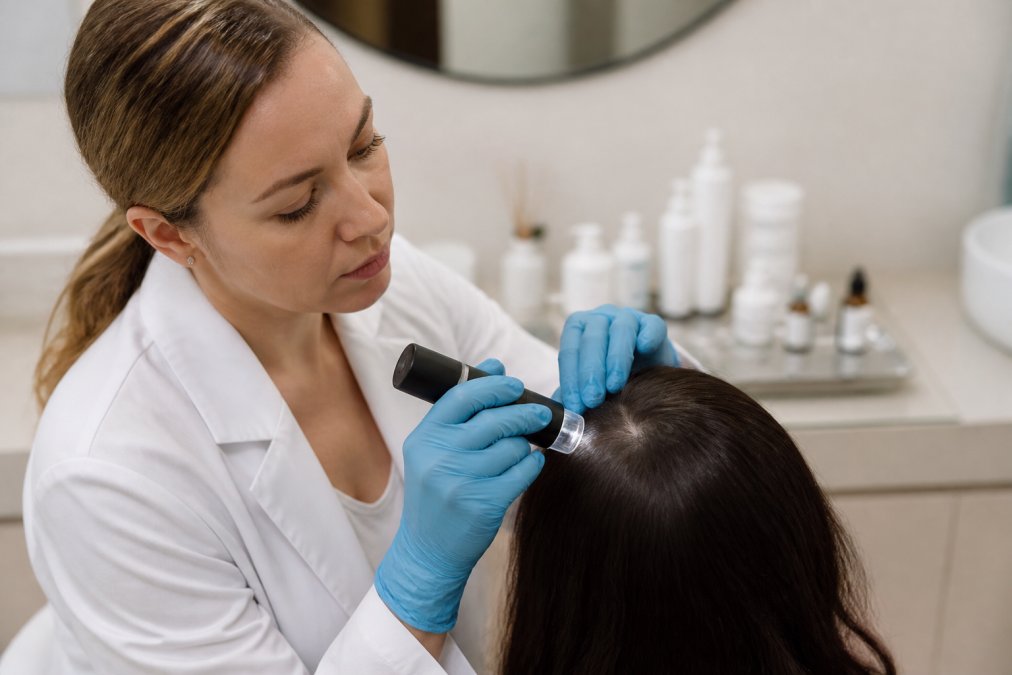
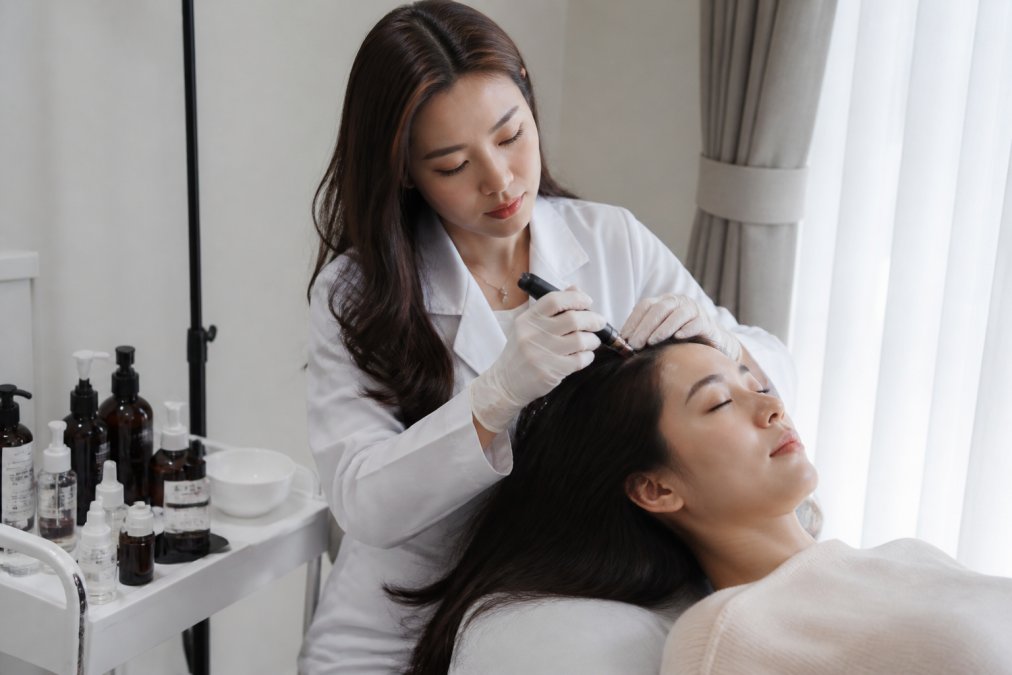
A trichologist examines the scalp under magnification, assesses hair density and shedding patterns, and reviews your history for triggers. The goal is to identify whether loss is active, stable, or scarring before recommending anything.
What most guides miss is that the same visible thinning can have completely different causes. Two women with identical part-line widening may need entirely different plans.
Where Clinical Trichology Stops and Dermatology Begins
Clinical trichology focuses on scalp health, hair cycle disruption, and lifestyle and hormonal contributors. Dermatology handles medical diagnosis of skin disease, biopsy, and prescription treatment. The two overlap, and a good trichologist refers out when a case needs a physician.
The American Academy of Dermatology's guidance on hair loss is a useful reference for understanding when a medical evaluation is warranted.
Causes of Female Hair Thinning a Trichologist Screens For
Female hair thinning most often traces to one of four categories: hormonal change, telogen effluvium from a physical or emotional stressor, inflammatory scalp conditions, and nutritional deficiency. A trichology consultation process screens for all four because treating only one rarely produces lasting regrowth.
Hormonal Shifts, Postpartum Shedding, and Scalp Inflammation
Postpartum shedding typically peaks a few months after delivery and reflects the hair cycle resetting after pregnancy. It usually improves on its own, but it can unmask an underlying pattern that was already developing.
Scalp inflammation is the underrated driver. Seborrheic dermatitis and psoriasis keep the follicle environment hostile, and hair will not thrive in a scalp that stays inflamed. Many women find that calming the scalp is the prerequisite for any regrowth.
Inside the Trichology Consultation Process
A trichology consultation process usually runs 45 to 60 minutes and combines a detailed history, a scalp and hair assessment under magnification, and a discussion of goals. You leave with findings and a direction, not just a product recommendation.
What Happens at the First Appointment
The first appointment covers your medical and family history, medications, styling habits, diet, and stress levels. The practitioner then examines the scalp with a magnifying lamp and trichoscope, checking density, follicle openings, and signs of inflammation.
Expect questions about your cycle, recent pregnancies, and any diagnosed conditions. These details shape the plan more than any single test.
How a Personalized Plan Gets Built
A personalized plan pairs in-spa treatment with home care and, where relevant, referrals for bloodwork. The plan should state how often you return, what changes to expect, and when to reassess.
A common mistake is accepting a plan with no review date. Without a checkpoint, there is no way to tell whether the approach is working.
Holistic Hair Restoration Services That Pair With Clinical Care
Holistic hair restoration services combine clinical scalp assessment with treatments that address circulation, inflammation, and internal balance. At Sophiatrichoholistic Hair Spa LLC, that means integrating Traditional Chinese Medicine with modern trichology rather than treating them as separate tracks.
This matters because hair regeneration is slow. A follicle that has been suppressed for months needs a stable environment to resume normal cycling. Approaches that calm inflammation and support circulation tend to pair well with clinical scalp care.
Treatment Options, Realistic Timelines, and What Results Look Like
Treatment options range from topical and in-spa therapies to lifestyle and nutritional adjustments, and each has a realistic timeline. Most women should expect to judge early response over a few months, not weeks, because the hair cycle itself is measured in months.
| Approach | Typical Focus | Realistic Timeline | Best For |
|---|---|---|---|
| Scalp-focused therapy | Inflammation, microbiome, circulation | Weeks to see scalp change | Seborrheic dermatitis, oily scalp |
| Hormonal and internal support | Balance, energy flow, stress | Months for hair response | Postpartum, hormonal thinning |
| Nutritional and lifestyle adjustment | Deficiencies, stress load | Months | Diffuse shedding |
| Combined holistic plan | Root causes plus scalp health | Months, with reviews | Chronic or mixed causes |
Hair grows roughly a centimeter per month, so visible change at the scalp takes patience. A plan that promises overnight regrowth is a red flag.
Benefits, Risks, and When Clinical Trichology Is Not the Right Fit
Clinical trichology offers a root-cause approach and personalized care, but it is not right for every case. Active scarring alopecia, sudden patchy loss, or loss with scalp pain needs a physician first, and a responsible trichologist will say so.
The honest limitations: results depend on how much follicle activity remains, timelines are long, and some causes need medical treatment that trichology cannot replace. The National Library of Medicine's overview of hair loss types is a solid starting point for understanding which category you may fall into.
Where clinical trichology shines is chronic, mixed-cause thinning that has not responded to one-size-fits-all products. That is exactly the profile Sophiatrichoholistic Hair Spa LLC was built to serve.
Frequently Asked Questions
What is the difference between a dermatologist and a clinical trichologist?
A dermatologist is a medical doctor who diagnoses and treats skin, hair, and nail diseases, and can prescribe medication. A clinical trichologist focuses specifically on scalp and hair health, analyzing growth cycles, scalp condition, and lifestyle factors that affect hair. The two often work together: a trichologist may spot patterns a dermatologist would treat medically, while a dermatologist may refer ongoing shedding or scalp disorders for trichological care.
How does clinical trichology support hair regeneration?
Clinical trichology looks at why hair is shedding or thinning before treating it. A trichologist examines the scalp under magnification, reviews your health history, and identifies factors like inflammation, hormonal shifts, or nutritional gaps. From there, a plan combines in-clinic treatments with home care to reduce inflammation, support the scalp environment, and encourage follicles back into a growth phase. Results build over months, not weeks, because hair grows slowly.
Is clinical trichology effective for female pattern hair loss?
Female pattern hair loss is a genetic, progressive condition, so trichology alone will not reverse it. What clinical trichology can do is slow progression, improve scalp health so existing follicles function better, and address contributing factors like inflammation or stress-related shedding. Many women combine trichological care with medical treatment prescribed by a dermatologist for the best overall outcome.
What should I expect during a trichology consultation process?
A first visit usually includes a detailed health and hair history, scalp examination with magnification, and a pull or shed test to gauge active hair loss. The trichologist may photograph your scalp for baseline tracking. You should leave with an explanation of what is likely driving your thinning and a proposed plan, including how often you would need to return and what home care supports the in-clinic work.
I have seborrheic dermatitis. Can holistic hair restoration services help?
Holistic hair restoration services can help manage the scalp environment in seborrheic dermatitis by reducing oiliness and inflammation, which often worsens shedding. These services do not replace medical treatment for the condition itself. A trichologist typically works alongside your dermatologist, focusing on scalp care, gentle cleansing routines, and lifestyle factors that affect flare-ups, so the scalp stays calmer between medical treatments.
How long before I see results from hair regeneration treatment?
Hair grows roughly half an inch per month, so visible changes usually take three to six months, and shedding often slows before new growth appears. Your timeline depends on the cause: postpartum shedding typically resolves on its own within a year, while pattern hair loss needs ongoing management. Ask your provider to set checkpoints, such as scalp photos at three and six months, so progress is measured rather than guessed.
If you have tried medicated shampoos and generic regrowth products without lasting change, the missing piece is usually diagnosis. Sophiatrichoholistic Hair Spa LLC combines clinical trichology with Traditional Chinese Medicine, offers women-only care with in-spa and at-home options, and builds a personalized plan with a defined review point so you always know whether it is working. Get started with Sophiatrichoholistic Hair Spa LLC and begin restoring your scalp health from the root.