 Ultimate guide
Reduce Scalp Inflammation for Hair Growth
Table of Contents
- The Link Between Scalp Inflammation and Hair Loss
- Common Causes of Scalp Inflammation
- Signs of an Inflamed Scalp You Shouldn't Ignore
- Natural Remedies for Scalp Inflammation
- Scalp Inflammation Diet: Foods That Reduce Inflammation
- Trichology Treatments for Hair Thinning and Scalp Health
- When to Consult a Dermatologist or Trichologist
- Frequently Asked Questions
Last Updated: September 28, 2026
The Link Between Scalp Inflammation and Hair Loss
[Scalp inflammation](/causes-of-scalp-inflammation-in-women) hair growth issues begin when inflammation directly disrupts the environment hair follicles need to thrive. When your scalp becomes inflamed, the follicles themselves face increased stress, reduced blood circulation, and hormonal imbalances that accelerate hair shedding and slow regrowth. This isn't just surface irritation, it's a systemic disruption that affects follicle miniaturization and weakens hair density over time.
Inflammation triggers oxidative stress, which damages cells responsible for hair growth. Addressing scalp inflammation removes a primary barrier to hair regeneration.
A healthy scalp microbiome maintains pH balance and prevents pathogenic bacteria from triggering inflammation. When inflammation develops, it damages the microbiome, creating a self-perpetuating cycle that must be broken for sustainable hair growth.
Research from the National Institutes of Health on scalp inflammation and hair loss confirms that chronic scalp conditions like seborrheic dermatitis directly correlate with increased shedding rates. Understanding this link is your first step toward meaningful intervention.
Common Causes of Scalp Inflammation
Common triggers include seborrheic dermatitis, psoriasis, folliculitis, and contact dermatitis from hair care products. All compromise follicle health and reduce hair growth potential.
Product sensitivity is often overlooked. Sulfates, parabens, and fragrance compounds strip natural oils and disrupt barrier function. Switching to gentler formulations often provides relief within two weeks.
Hormonal fluctuations, postpartum shifts, thyroid imbalances, and menstrual cycle variations, can initiate or worsen scalp inflammation, explaining sudden onset without obvious external causes.
Chronic stress elevates cortisol and suppresses immune function, while tension restricts blood flow to the scalp. This dual mechanism explains why stress management is critical for treatment.
Deficiencies in omega-3 fatty acids, zinc, and antioxidants leave the scalp vulnerable to inflammation. These nutrients support barrier function and protect against oxidative stress.
Signs of an Inflamed Scalp You Shouldn't Ignore
Persistent itchiness that doesn't respond to standard shampoos is the most obvious early warning sign, often intensifying in the evening or after heat styling.
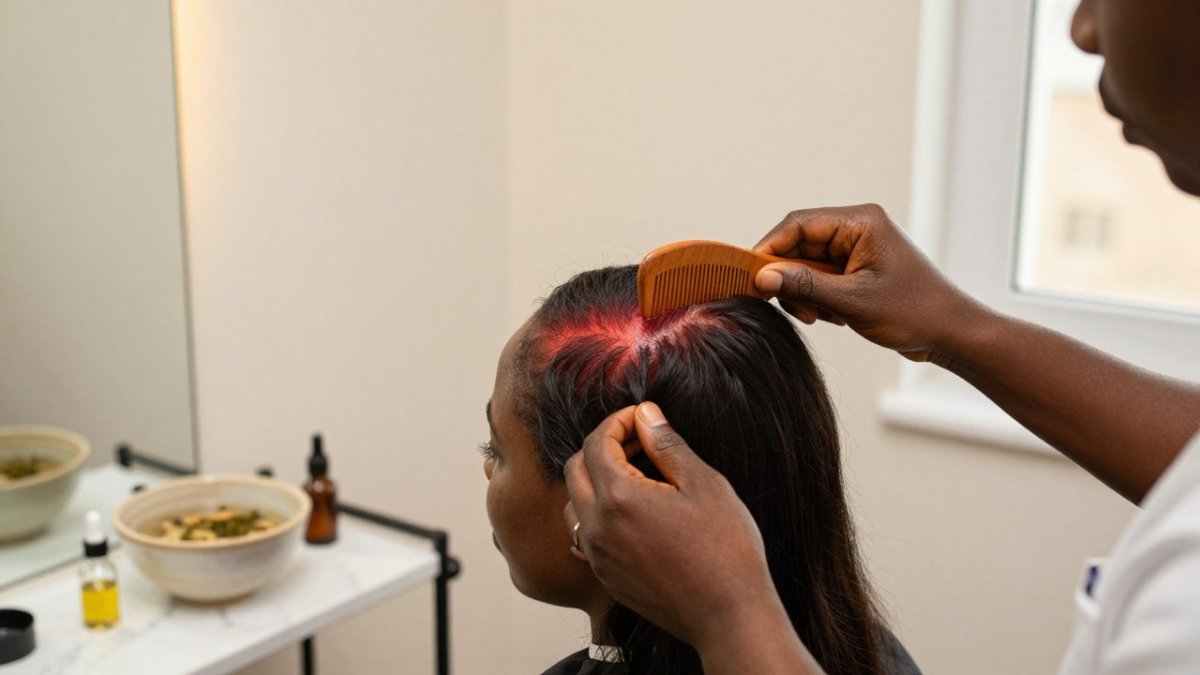
Visible redness, particularly around the hairline or crown, indicates inflammation. Burning sensation or tenderness when touching the scalp signals active inflammatory response.
Inflammatory flaking often accompanies redness and itching simultaneously, unlike simple dandruff. Scales may be oily or dry depending on sebum production levels.
Excessive sebum production paired with itching indicates dysbiosis. The scalp overproduces oil as a protective response to inflammation, creating an environment where pathogenic bacteria thrive.
Hair shedding that exceeds normal daily loss (50-100 hairs) often correlates with scalp inflammation hair growth disruption. If you notice increased hair in your brush, shower drain, or pillowcase, your scalp likely needs attention. This shedding reflects follicles pushed into telogen (resting) phase prematurely due to inflammatory stress.
Natural Remedies for Scalp Inflammation
Natural ingredients offer anti-inflammatory benefits, but proper dilution ratios and safety protocols are essential before application.
Rosemary Oil for Circulation and Inflammation
Rosemary oil improves scalp circulation and reduces inflammation. Dilute 2-3 drops per teaspoon of carrier oil and massage into scalp twice weekly for 5-10 minutes. Results appear within three weeks. Avoid if pregnant or taking blood-thinning medications.
Aloe Vera for Barrier Repair
Pure aloe vera gel reduces redness and itching. Apply directly to inflamed areas for 15-20 minutes before rinsing. Most women report relief after three applications. Patch-test first if you have sensitive skin.
Tea Tree Oil: Antimicrobial with Strict Dilution Requirements
Tea tree oil addresses microbiome imbalance. Dilute 1 drop per teaspoon of carrier oil and apply 2-3 times weekly. Never use undiluted. Discontinue if redness or burning develops.
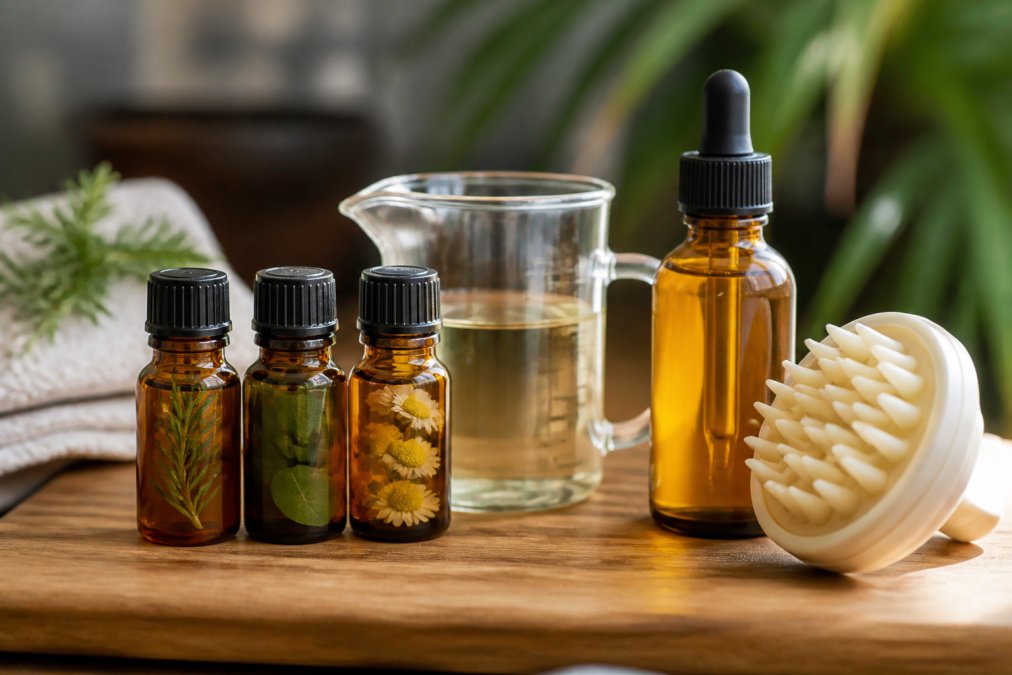
Coconut Oil: Antimicrobial Barrier Support
Coconut oil provides antimicrobial benefits and supports barrier function. Warm and massage into scalp for 20 minutes, 1-2 times weekly. Reduce frequency if increased itching or pustules develop.
Chamomile and Calendula Infusions
Chamomile and calendula suppress inflammatory cytokine production. Steep 2-3 tablespoons in 2 cups hot water for 10 minutes, strain, and use as a final rinse 2-3 times weekly. Avoid chamomile if you have ragweed allergies.
Start Your Hair & Scalp Healing Journey →
Scalp Massage: A Natural Remedy Without Contraindications
Scalp massage improves blood circulation and reduces tension-related inflammation. Use light to moderate pressure in circular motions for 5-10 minutes daily. Results appear within two weeks.
Scalp Inflammation Diet: Foods That Reduce Inflammation
Omega-3 rich foods (fatty fish, walnuts, flaxseeds, chia seeds) suppress inflammatory markers. Aim for two to three servings weekly.
Antioxidant-rich foods (berries, dark leafy greens, colorful vegetables) reduce inflammatory cytokines. Include at least one at each meal.
Zinc-dense foods (pumpkin seeds, oysters, beef, chickpeas) support immune regulation and sebum balance. Dietary sources are preferable to isolated supplements.
Vitamin D plays a critical regulatory role in immune function and scalp health. Fatty fish, egg yolks, and fortified foods provide dietary vitamin D, though many women benefit from moderate sun exposure (15-20 minutes daily) for natural synthesis.
Foods to minimize include refined carbohydrates and high-glycemic options, which trigger inflammatory cascades. Sugar and processed foods elevate systemic inflammation markers that directly affect scalp tissue. Reducing these typically shows results within four weeks.
Hydration supports barrier function and inflammatory resolution. Adequate water intake, at least 8-10 glasses daily, ensures proper circulation and nutrient delivery to scalp tissues.
Trichology Treatments for Hair Thinning and Scalp Health
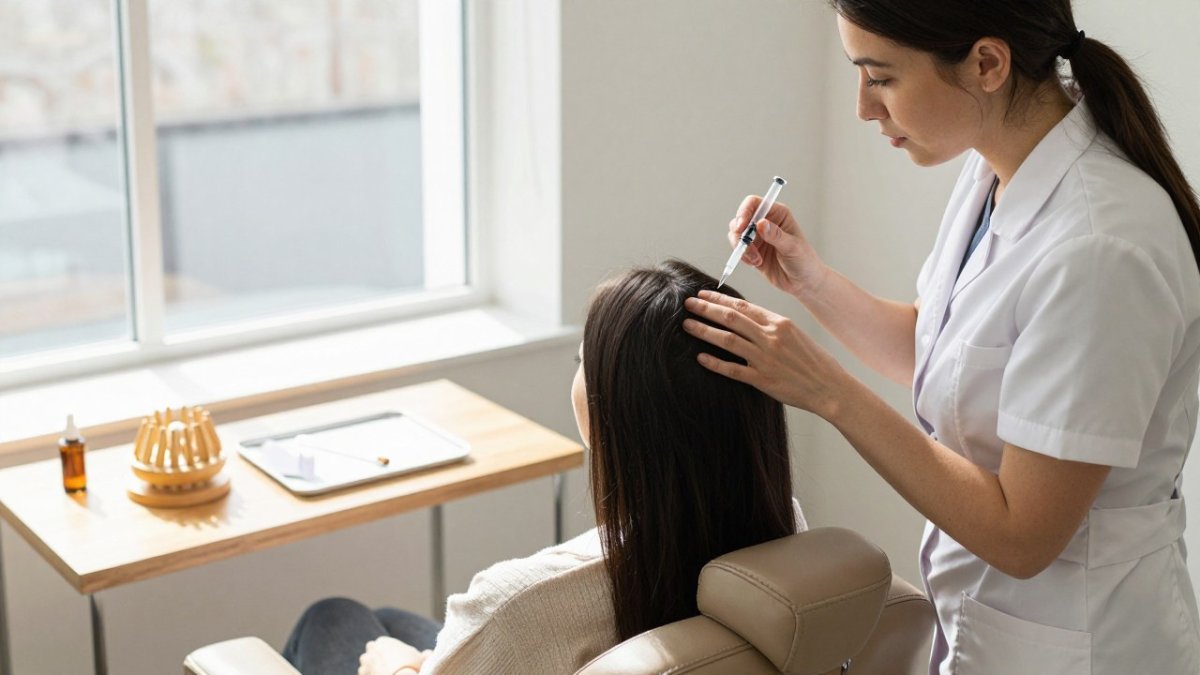
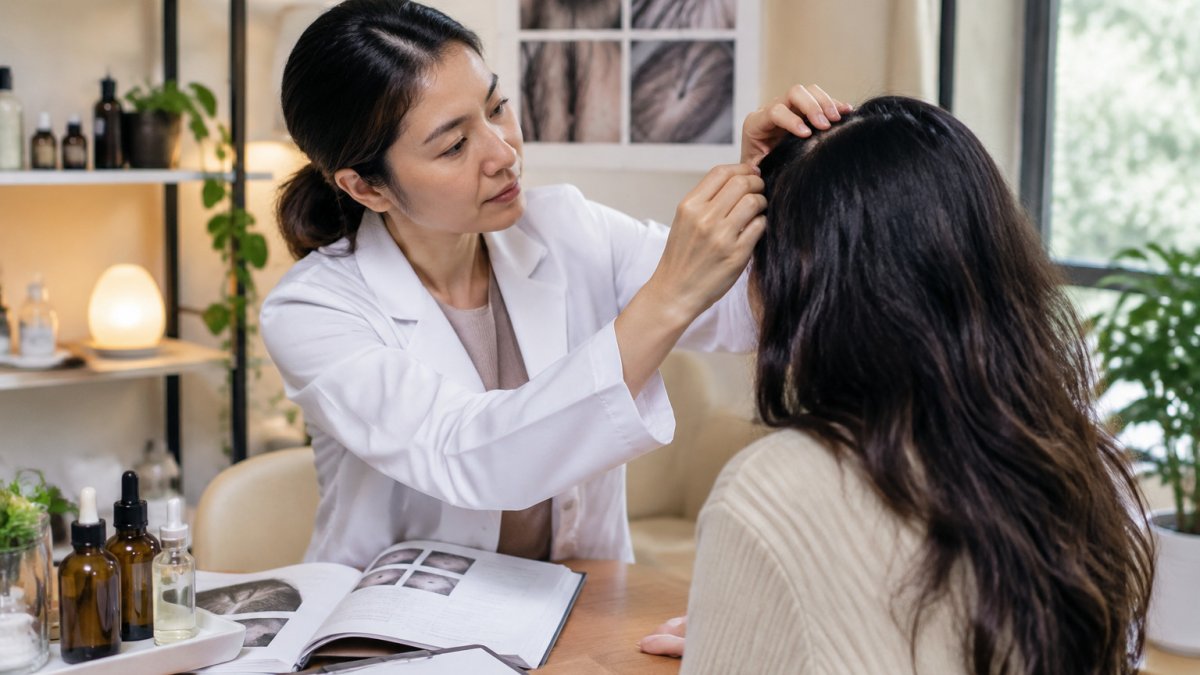
Professional trichology treatments address scalp inflammation through targeted interventions that home care cannot replicate. Trichologists assess scalp condition using magnification and diagnostic protocols to identify specific inflammatory triggers and follicle health status.
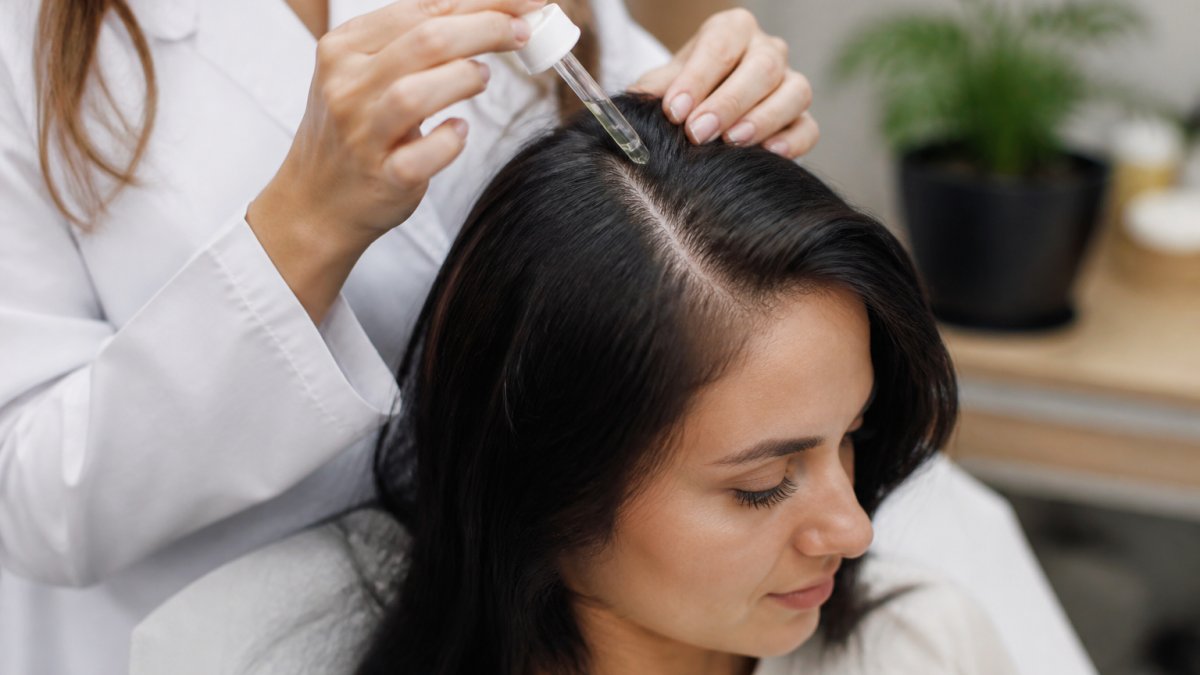
Scalp treatments combining clinical-grade ingredients with therapeutic massage restore barrier function and reduce inflammation. These treatments typically include exfoliation to remove buildup, application of anti-inflammatory serums, and therapeutic massage to improve circulation. Results often appear within three to six treatments.
At Sophiatrichoholistic Hair Spa LLC, our approach integrates Traditional Chinese Medicine with clinical trichology to address root causes rather than symptoms alone.
Acupuncture supports scalp health by improving blood flow, reducing stress-related inflammation, and rebalancing hormonal patterns that trigger inflammatory responses. Scalp acupuncture points directly stimulate hair follicle activity while systemic points address underlying constitutional imbalances.
Herbal protocols complement topical and acupuncture treatments. Specific herbs address inflammation, support liver function for hormonal balance, and tonify blood and qi to nourish follicles from within. These protocols are personalized based on individual presentations and constitutional patterns.
Medicated shampoos containing zinc pyrithione or ketoconazole address specific inflammatory conditions like seborrheic dermatitis. These should be used under professional guidance, as prolonged use can disrupt the scalp microbiome.
When to Consult a Dermatologist or Trichologist
Red Flags Requiring Immediate Dermatological Assessment
Diagnostic Testing Protocols Professionals Order
Visual and Dermoscopic Examination: The dermatologist will examine your scalp under magnification (dermoscopy) to assess follicle density, identify specific inflammatory patterns, and rule out fungal or bacterial infection. This non-invasive assessment often provides sufficient information for diagnosis.
Blood Work: Dermatologists often order blood tests to identify systemic causes of scalp inflammation, including:
- Thyroid function tests (TSH, Free T4): Thyroid imbalance frequently triggers or worsens scalp inflammation and hair loss.
- Complete blood count (CBC): Identifies anemia or immune system abnormalities that may contribute to inflammation.
- Iron studies (ferritin, serum iron, TIBC): Iron deficiency is a common, treatable cause of inflammatory scalp conditions and hair loss.
- Vitamin D level: Low vitamin D correlates with increased scalp inflammation and impaired immune regulation.
- Zinc level: Zinc deficiency directly contributes to seborrheic dermatitis and scalp inflammation.
- Antinuclear antibody (ANA) panel: If autoimmune conditions like lupus or scleroderma are suspected based on presentation.
When to Consult a Trichologist
A trichologist (a specialist trained in hair and scalp health, though not a licensed physician in all states) provides specialized assessment of scalp microbiome health, follicle density, and hair growth patterns. Trichologists use magnification and sometimes digital scalp imaging to assess:
- Follicle density and miniaturization patterns
- Scalp microbiome balance (though this requires laboratory analysis)
- Hair growth cycle distribution (anagen vs. telogen phase percentages)
- Sebum production and scalp pH
Specific Presentations Requiring Professional Evaluation
Frequently Asked Questions
Can hair grow back after scalp inflammation subsides?
Yes, hair can regrow once scalp inflammation is reduced and the scalp microbiome is restored. When inflammation damages hair follicles, it disrupts the growth cycle, but reducing inflammation through targeted treatments and lifestyle changes allows follicles to return to healthy function. The timeline varies depending on the severity and duration of inflammation, but many people see new growth within 3 to 6 months of consistent treatment. Working with a trichologist ensures your approach addresses the root cause rather than just symptoms.
What vitamin deficiencies cause scalp inflammation?
Deficiencies in zinc, iron, vitamin D, and B vitamins (especially biotin and B12) are commonly linked to scalp inflammation and hair loss. Zinc is critical for immune function and scalp barrier health, while vitamin D regulates immune response and reduces oxidative stress. Iron deficiency weakens hair follicles, and B vitamins support hair follicle metabolism. A blood test can identify specific deficiencies. Addressing these through diet or supplementation, under professional guidance, can significantly improve scalp health and reduce inflammation.
How long does it take for scalp inflammation to go away?
The timeline depends on the cause and severity. Mild inflammation from product irritation may improve within 1 to 2 weeks of stopping the irritant. Chronic conditions like seborrheic dermatitis or psoriasis typically require 4 to 8 weeks of consistent treatment before noticeable improvement. Holistic approaches combining topical treatments, dietary changes, stress reduction, and scalp massage often show results within 6 to 12 weeks. Persistent inflammation lasting more than 3 months warrants evaluation by a dermatologist or trichologist to rule out underlying conditions.
Does diet really affect scalp health and inflammation?
Yes, diet directly impacts scalp inflammation through nutrient absorption and inflammatory response. Foods high in omega-3 fatty acids, antioxidants, and anti-inflammatory compounds reduce systemic inflammation that manifests on the scalp. Conversely, diets high in processed foods and refined sugars increase oxidative stress and sebum production, worsening conditions like seborrheic dermatitis. Including leafy greens, fatty fish, nuts, and whole grains supports scalp barrier function and reduces itchiness and redness. Eliminating common inflammatory triggers tailored to your condition accelerates healing.