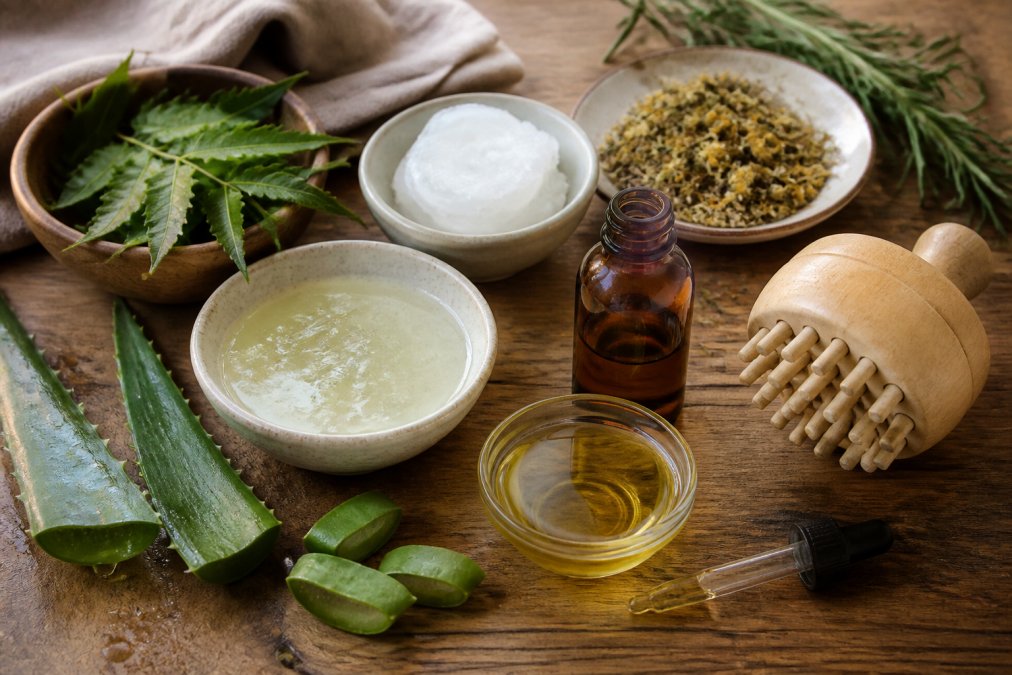
 listicle
Best Natural Treatments for Itchy Scalp Relief
Table of Contents
- Quick Comparison: Top Natural Itchy Scalp Treatments
- Causes of Chronic Itchy Scalp: What's Really Triggering the Itch?
- How to Stop Scalp Itching: 7 Natural Treatments That Work
- TCM Approach to Hair and Scalp Health
- Safety First: Patch Testing and Dilution for Essential Oils
- Hair Type Considerations and Internal Triggers
- When to See a Dermatologist or Trichologist for Itchy Scalp
- Conclusion: Your Next Steps for Lasting Itch Relief
- Frequently Asked Questions
Last Updated: September 22, 2026
Quick Comparison: Top Natural Itchy Scalp Treatments
Finding the best natural treatments for itchy scalp starts with matching the remedy to the trigger. An itchy scalp is a symptom, not a diagnosis, and the wrong treatment can make irritation worse. This guide from Sophiatrichoholistic Hair Spa LLC breaks down seven evidence-informed options, plus the safety steps most guides skip.
Here's how the leading options compare at a glance:
| Treatment | Best For | How to Use | Watch Out For |
|---|---|---|---|
| Apple cider vinegar rinse | pH imbalance, mild flaking | Dilute 1:4 with water, rinse after shampoo | Strong scent; can sting broken skin |
| Tea tree oil | Fungal-related itching | Dilute 2-3 drops per tablespoon of carrier oil | Must be diluted; patch test first |
| Coconut and jojoba oil | Dry, tight scalp | Massage in pre-shampoo, leave 20-30 minutes | Can be hard to wash out |
| Peppermint oil | Heat-related itch, tension | 1-2 drops per tablespoon of carrier oil | Very potent; avoid near eyes |
| Colloidal oatmeal and clay | Inflammation, irritation | Apply as a mask, rinse after 15-20 minutes | May dry out already-dry scalps |
| Gentle exfoliation | Product buildup | Once weekly with soft brush or scrub | Over-scrubbing damages the scalp barrier |
| Scalp massage | Poor circulation, stress | 5 minutes daily with fingertips | Skip if scalp is actively inflamed |
The 7 treatments below target different root causes, so identify yours first.
Causes of Chronic Itchy Scalp: What's Really Triggering the Itch?
Chronic itch almost always traces back to one of four triggers: fungal overgrowth, a damaged moisture barrier, product buildup, or an inflammatory skin condition. The scalp microbiome plays a central role in all four.
Seborrheic dermatitis is a common culprit: an inflammatory condition linked to malassezia, a yeast that naturally lives on the scalp. When it overgrows, it triggers redness, greasy yellow flakes, and persistent itch. Folliculitis, inflammation of the hair follicles, produces small itchy bumps from bacterial growth or clogged follicles. Other triggers include dry indoor air, harsh sulfates, and stress.
The American Academy of Dermatology's guidance on seborrheic dermatitis notes that this condition tends to flare in cycles, which is why one-off treatments rarely hold.
Dandruff vs. Dry Scalp: How to Tell the Difference
Dandruff and dry scalp look similar but need opposite treatments. Dandruff produces larger, oilier, yellowish flakes on an oily scalp; dry scalp sheds smaller, whiter flakes and feels tight. Heavy oils feed dandruff yeast, while antifungal treatments strip a dry scalp. Greasy and yellow means dandruff; tight and fine white means dryness.
Product Buildup vs. Dry Scalp: A Commonly Missed Trigger
Most people blame dryness when the real problem is buildup. Silicones, heavy butters, and dry shampoo residue clog follicles, causing itch that feels exactly like dryness. The tell? Your scalp itches most in the days after washing. A clarifying wash every few weeks often resolves it faster than any oil.
How to Stop Scalp Itching: 7 Natural Treatments That Work
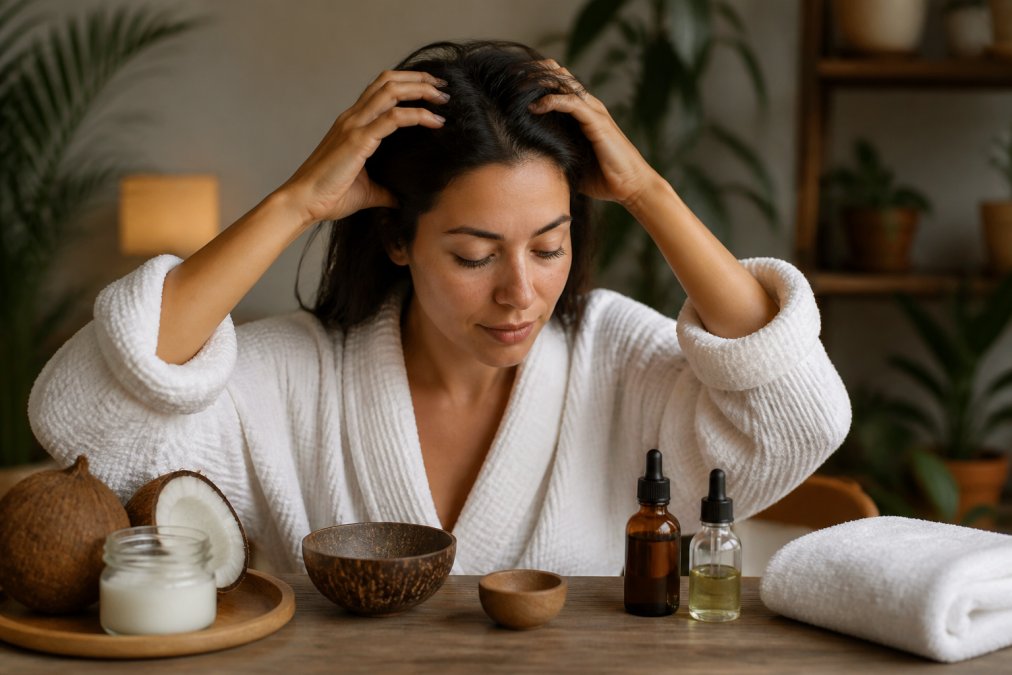
Each treatment targets a different trigger, so match the remedy to your cause rather than layering all seven. Introduce one at a time, give it two to four weeks, and stop if itching worsens.
1. Apple Cider Vinegar Rinses
Best for: pH imbalance and mild flaking on a scalp that isn't broken or inflamed.
Why it can help: A healthy scalp sits at an acidic pH of roughly 4.5 to 5.5.
2. Tea Tree Oil for Antifungal Relief
Best for: Fungal-related itching and flaking tied to malassezia overgrowth.
3. Coconut Oil and Jojoba Oil for Deep Hydration
Best for: A dry, tight, flaky scalp with fine white flakes and no greasy buildup.
4. Peppermint Oil for Cooling Itch Relief
Best for: Itch driven by heat, tension, or a scalp that feels hot and irritated.
5. Colloidal Oatmeal and Clay Masks
Best for: Inflamed, reactive, or irritated scalps that need calming rather than oil removal.
6. Gentle Exfoliation to Unclog Follicles
Best for: Product buildup, clogged follicles, and itch that worsens in the days after washing.
7. Scalp Massage to Boost Circulation
Best for: Itch linked to poor circulation, stress, or tension, and as a support for any treatment above.
TCM Approach to Hair and Scalp Health
Traditional Chinese Medicine treats scalp itch as a signal of internal imbalance, not a surface problem. In TCM theory, the scalp reflects the health of the blood and the organs that govern it, so persistent itch and flaking often point to heat, dampness, or deficient blood. Practitioners use acupuncture, herbal formulas, and dietary adjustments to address the root cause.
Safety First: Patch Testing and Dilution for Essential Oils
Essential oils are potent, and the scalp is sensitive skin. A proper patch test prevents most reactions: apply a small amount of the diluted oil to your inner forearm, cover it, and wait 24 hours. If redness, burning, or swelling appears, don't use it. Repeat behind your ear before full application.
Hair Type Considerations and Internal Triggers
Most guides treat the scalp as if every head is the same. It isn't. The same remedy behaves differently depending on hair texture, density, and porosity, and on what's happening inside your body. This is often where stubborn itch actually gets solved.
Matching Treatments to Hair Type
Fine or low-density hair. Oils weigh hair down fast, so choose light options like jojoba or fractionated coconut oil and use a small amount on the scalp only. Leave heavier treatments on 15-20 minutes rather than overnight, and clarify weekly since buildup is the main risk.
Internal Triggers Worth Investigating
If you've addressed hair type and internal factors and the itch still won't quit, bring in a professional rather than cycling through remedies.
When to See a Dermatologist or Trichologist for Itchy Scalp
See a professional when natural treatments haven't helped after a few weeks, when you have open sores, crusting, or significant hair loss, or when itch disrupts sleep. These signs point to psoriasis, severe seborrheic dermatitis, or an infection needing medical care. A dermatologist diagnoses the cause; a trichologist focuses on the hair and scalp specifically.
Conclusion: Your Next Steps for Lasting Itch Relief
Lasting relief comes from treating the cause, not just the itch. Identify your trigger, patch test every new remedy, and give each treatment a few weeks before judging it. If the problem keeps returning, the surface isn't where the answer lives.
Frequently Asked Questions
What vitamin deficiency causes an itchy scalp?
Low levels of vitamin D, B vitamins (especially B12 and biotin), and zinc are linked to scalp itching. A 2020 review in Dermatology and Therapy noted that vitamin D deficiency is common in people with seborrheic dermatitis. If you suspect a deficiency, ask your doctor for a blood test before adding supplements, because taking unneeded vitamins can cause other problems.
Why is my scalp constantly itchy despite washing?
Washing removes surface oil and flakes, but itching can persist if the cause is internal or if you are reacting to your shampoo. Common culprits include product buildup from silicones, an imbalanced scalp microbiome, or conditions like seborrheic dermatitis that need targeted treatment. Try a clarifying wash once a week and switch to a fragrance-free shampoo. If itching continues after two weeks, see a dermatologist or trichologist.
Are essential oils safe for sensitive scalp conditions?
Some essential oils can help, but they must be diluted. Tea tree oil, for example, has antifungal and anti-inflammatory properties, but applying it undiluted can cause irritation or contact dermatitis. A typical safe dilution is 2-3 drops per teaspoon of carrier oil like jojoba or coconut. Always patch test on your inner arm for 24 hours before using on your scalp, especially if you have psoriasis or eczema.
How does Traditional Chinese Medicine view scalp health?
TCM sees the scalp as a reflection of internal balance, particularly blood and kidney energy. Chronic itching may indicate 'wind' or 'heat' patterns, often tied to diet, stress, or hormonal shifts. A TCM practitioner might use acupuncture, herbs, and dietary changes to address the root cause. A 2019 study in Acupuncture in Medicine found acupuncture reduced itch intensity in eczema patients, supporting this whole-body approach.
What natural ingredients effectively kill scalp bacteria?
Tea tree oil, apple cider vinegar, and neem oil have natural antibacterial and antifungal properties. Tea tree oil at a 5% dilution was shown in a 2017 study to reduce Malassezia yeast, a common cause of dandruff. Apple cider vinegar's acidity helps restore the scalp's pH balance, making it harder for bacteria to thrive. Always dilute ACV with water (1:2 ratio) and avoid if you have open sores.
If you've cycled through drugstore shampoos and home remedies without lasting results, Sophiatrichoholistic Hair Spa LLC offers a different path. Our treatments restore the scalp microbiome, reduce inflammation, and activate hair growth from the root, all personalized to your hair type and history. Get started with Sophiatrichoholistic Hair Spa LLC and address the root cause of your scalp condition.