 ultimate-guide
Natural Remedies for Seborrheic Dermatitis
Table of Contents
- What Is Seborrheic Dermatitis and Why Does It Keep Coming Back?
- Essential Oils for Seborrheic Dermatitis: What Works and How to Apply Them
- How to Stop Scalp Itching with Natural Topical Remedies
- Diet, Probiotics, and the Gut-Scalp Connection
- Traditional Chinese Medicine for Scalp Conditions
- Stress, Sleep, and Lifestyle Modifications That Reduce Flare-Ups
- Evidence-Based Efficacy Ratings for Popular Natural Remedies
- Frequently Asked Questions
Last Updated: August 31, 2026
Seborrheic dermatitis is a chronic inflammatory skin condition driven by yeast overgrowth on sebum-rich areas of the scalp, face, and body. At Sophiatrichoholistic Hair Spa LLC, we work with clients who have spent years trying medicated shampoos and dermatologist prescriptions, only to find their symptoms return within weeks. This guide covers the most effective natural remedies for seborrheic dermatitis, including evidence-based topical applications, dietary strategies, and holistic approaches that address the root cause rather than just surface symptoms.
What Is Seborrheic Dermatitis and Why Does It Keep Coming Back?
Seborrheic dermatitis is a chronic skin condition characterized by flaking, erythema, and pruritus in areas where sebaceous glands are most active. It keeps returning because of imbalances in the scalp microbiome. When the balance of microorganisms shifts, opportunistic organisms proliferate and trigger an immune response that manifests as visible symptoms.
The Role of Malassezia Yeast and Sebum Production
Malassezia yeast is naturally occurring on healthy scalps, but seborrheic dermatitis develops when it proliferates beyond normal levels. This lipophilic yeast feeds on sebum, and when sebum production is elevated due to hormonal shifts, stress, or diet, Malassezia thrives and releases byproducts that irritate the skin barrier and trigger inflammation. Breaking this cycle requires addressing multiple factors simultaneously, not just applying an antifungal shampoo.
Common Flare-Up Triggers to Know
Understanding your personal flare-up triggers is essential for long-term management. The most commonly reported triggers include seasonal changes, high-stress periods, hormonal fluctuations, diets high in refined sugars, infrequent scalp cleansing, and hair products that disrupt pH balance. Identifying which triggers apply to your situation transforms management from reactive to proactive.
Essential Oils for Seborrheic Dermatitis: What Works and How to Apply Them
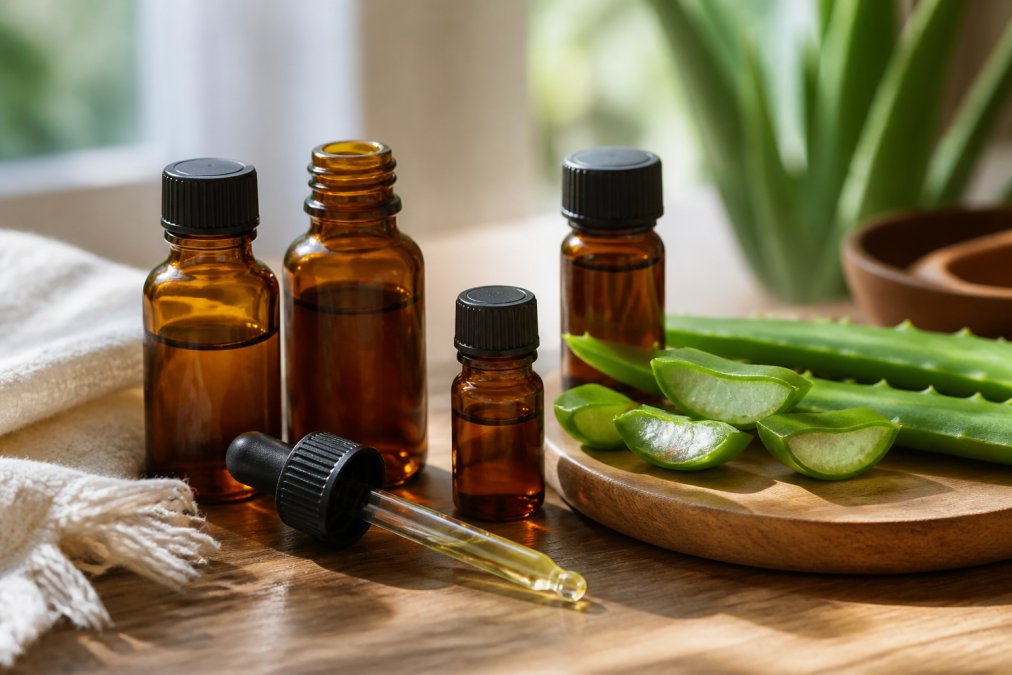
Essential oils represent one of the most researched categories of natural remedies for seborrheic dermatitis, with several demonstrating genuine antifungal properties against Malassezia yeast. The key is applying them correctly, undiluted essential oils applied directly to inflamed scalp can worsen irritation significantly.
Tea Tree Oil: Antifungal Properties and Dilution Guide
Tea tree oil is the most clinically studied essential oil for scalp conditions, with antifungal properties against Malassezia yeast well-documented in dermatological literature. According to research published in the Journal of the American Academy of Dermatology, tea tree oil demonstrated meaningful reductions in dandruff severity compared to placebo in controlled trials.
Concentration matters enormously, too low yields no benefit, too high risks contact dermatitis on compromised scalp.
Step-by-step dilution guide for tea tree oil:
- Choose a carrier oil appropriate for your scalp type
- Measure 5 ml of carrier oil into a small bowl or dropper bottle
- Add 2-3 drops of tea tree essential oil (creating a 2-3% dilution)
- Stir gently to combine
- Apply to the scalp in sections using a dropper or fingertips
- Massage in circular motions for 2-3 minutes
- Leave on for 20-30 minutes, then wash out with a gentle, pH-balanced shampoo
- Perform a patch test on the inner arm 24 hours before first scalp application
Carrier Oils: Coconut, Jojoba, and Their Effect on Scalp Barrier Function
Carrier oils actively support scalp barrier function and influence the lipid profile of the skin surface. Choosing the right one for your scalp type changes the outcome.
Coconut oil contains lauric acid, which has demonstrated antifungal activity in laboratory settings and is beneficial for dry, flaky presentations. The limitation: it is comedogenic and can clog follicles in people with naturally oily scalps, potentially worsening sebum-related issues.
Jojoba oil is a liquid wax whose molecular structure closely resembles human sebum, making it one of the most compatible carrier oils for scalp use. It absorbs readily, does not leave heavy residue, and appears to help regulate sebum production over time. For oily scalp presentations, jojoba is the stronger choice. For dry, scaling presentations, coconut oil's antifungal properties give it an edge.
How to Stop Scalp Itching with Natural Topical Remedies
Pruritus, persistent scalp itching, often drives people to seek solutions. Scratching damages the skin barrier further, creating entry points for secondary infection. Effective itch relief that doesn't compromise scalp integrity is the goal.
Aloe Vera: Anti-Inflammatory Relief for Pruritus and Erythema
Aloe vera is one of the most effective natural remedies for immediate itch relief because it addresses both inflammatory and moisture-barrier components simultaneously. Its anti-inflammatory compounds calm the immune response driving erythema and pruritus without disrupting the scalp microbiome.
How to apply aloe vera for seborrheic dermatitis:
- Use fresh gel from an aloe vera leaf, or commercial gel with no added alcohol or fragrance
- Part hair in sections to expose affected scalp areas
- Apply gel directly to the scalp using fingertips or a small brush
- Leave on for 30-45 minutes, or overnight for intense flare-ups
- Rinse with cool water and gentle shampoo
Consistent aloe vera application may reduce flare-up frequency over time, not just immediate itch, because its moisturizing effect supports long-term skin barrier function repair.
Apple Cider Vinegar: pH Balance and Scalp Hygiene
Apple cider vinegar works by restoring pH balance. A healthy scalp maintains slightly acidic pH, which naturally inhibits Malassezia yeast overgrowth. Many commercial shampoos and styling products are alkaline, shifting the scalp's environment in favor of yeast proliferation.
Dilution guide:
- Mix 1 part apple cider vinegar with 3-4 parts water
- Apply to scalp after shampooing using a spray bottle or cotton pad
- Leave on for 2-5 minutes, then rinse thoroughly
- Use no more than once or twice per week
Avoid apple cider vinegar on open sores, cracked skin, or significant erythema, as the acidity can cause stinging and further irritation.
Start Your Hair & Scalp Healing Journey →
Diet, Probiotics, and the Gut-Scalp Connection
The gut-scalp connection is one of the most underappreciated aspects of seborrheic dermatitis management. The immune response driving the condition is systemic, and the state of the gut microbiome directly influences how aggressively the immune system reacts to Malassezia yeast on the scalp. A diet high in refined sugars feeds yeast systemically, not just topically.
Probiotic supplementation is a growing area of interest for inflammatory skin conditions. As documented in research from the National Eczema Association, the gut microbiome plays a significant role in regulating immune responses that affect skin barrier health. While research specific to seborrheic dermatitis is still developing, the logic is sound: a more balanced gut microbiome supports a more calibrated immune response.
Practical dietary modifications worth prioritizing:
- Reduce refined sugar and alcohol, both of which promote yeast proliferation
- Increase anti-inflammatory foods: fatty fish, leafy greens, and berries
- Add fermented foods like yogurt, kefir, and kimchi to support gut microbiome diversity
- Stay adequately hydrated to support skin barrier function
Treating the scalp without addressing internal triggers is like mopping the floor while the tap is still running.
Traditional Chinese Medicine for Scalp Conditions
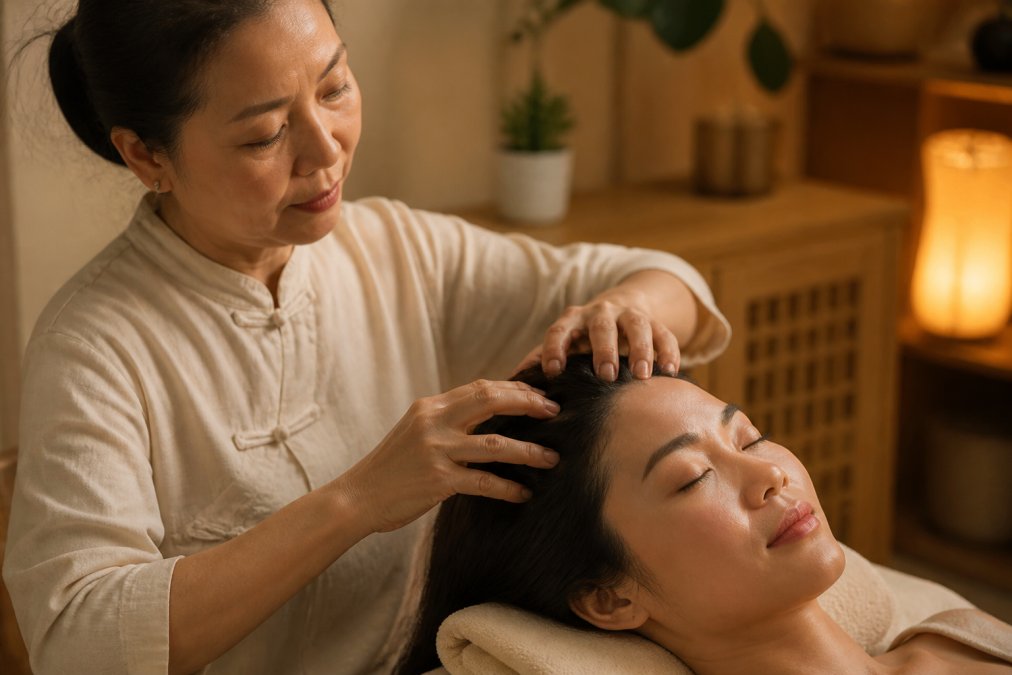
Traditional Chinese Medicine offers a fundamentally different framework for understanding scalp conditions, treating the body as an integrated system rather than isolating the symptom site. At Sophiatrichoholistic Hair Spa LLC, this is the foundation of our approach: integrating TCM with clinical trichology to address both the visible condition and its internal drivers.
Acupuncture, Herbal Formulas, and the Immune Response
Acupuncture for scalp conditions works by stimulating specific points that regulate blood circulation to the scalp, reduce systemic inflammation, and modulate the immune response driving seborrheic dermatitis flare-ups. Improved circulation delivers more nutrients to hair follicles and supports skin barrier function from beneath.
Herbal formulas in TCM are prescribed based on the individual's pattern of imbalance, not just the surface diagnosis. A practitioner might identify excess heat and dampness as the underlying pattern in a client with oily, inflamed seborrheic dermatitis, and formulate herbs accordingly. According to the National Center for Complementary and Integrative Health, acupuncture and traditional herbal medicine are recognized complementary approaches for inflammatory conditions, with growing evidence supporting their role in immune modulation.
How TCM Complements Conventional Dermatological Treatments
TCM is not a replacement for conventional care, it is a complement to it. Conventional treatments like antifungal shampoos and topical corticosteroids address the acute presentation effectively. TCM addresses the terrain that keeps producing flare-ups. Used together, clients often find they need less frequent conventional treatment over time, and their remission periods lengthen.
Stress, Sleep, and Lifestyle Modifications That Reduce Flare-Ups
Stress is one of the most reliable flare-up triggers for seborrheic dermatitis. Elevated cortisol suppresses immune regulation and increases sebum production simultaneously, creating ideal conditions for Malassezia overgrowth. The psychological impact of a visible, recurring scalp condition also feeds back into stress levels, creating a difficult cycle to break.
Practical lifestyle modifications that reduce flare-up frequency:
- Sleep consistency: Aim for regular sleep and wake times. Disrupted sleep elevates cortisol and suppresses immune regulation.
- Stress reduction practices: Mindfulness, yoga, and breathwork have documented anti-inflammatory effects. Even 10 minutes of daily practice creates measurable changes in cortisol patterns over weeks.
- Scalp hygiene routine: Wash hair frequently enough to prevent sebum accumulation without over-stripping the scalp, typically every 2-3 days.
- Product audit: Eliminate hair products containing alcohol, heavy silicones, or synthetic fragrance, as these disrupt pH balance and skin barrier function.
Evidence-Based Efficacy Ratings for Popular Natural Remedies
Here is a practical efficacy framework based on the current state of evidence for seborrheic dermatitis management:
| Remedy | Evidence Level | Best For | Limitations |
|---|---|---|---|
| Tea tree oil (2-5% dilution) | Moderate, multiple clinical trials | Antifungal action, flaking reduction | Must be diluted; patch test required |
| Aloe vera gel | Moderate, anti-inflammatory studies | Itch relief, erythema reduction | Slower onset; needs consistent use |
| Jojoba oil as carrier | Low-moderate, barrier support data | Sebum regulation, carrier for actives | Not antifungal alone |
| Apple cider vinegar | Low, anecdotal, limited clinical data | pH restoration, scalp hygiene | Avoid on broken skin |
| Probiotics | Emerging, gut-skin research ongoing | Long-term immune modulation | Indirect effect; takes weeks to months |
| Coconut oil | Low-moderate, lauric acid studies | Dry, flaking presentations | Comedogenic for oily scalps |
| Acupuncture/TCM | Emerging, immune modulation evidence | Root-cause, systemic treatment | Requires qualified practitioner |
The remedies with the strongest evidence, tea tree oil and aloe vera, are also the most accessible. The approaches with the most transformative potential for long-term management (TCM, dietary change, stress management) require more commitment but address underlying drivers rather than surface symptoms. As noted by the American Academy of Dermatology's patient education resources, complementary approaches work best when integrated with, not substituted for, appropriate medical care.
Seborrheic dermatitis is a chronic condition requiring more than rotating through topical treatments. Sophiatrichoholistic Hair Spa LLC specializes in this challenge, integrating Traditional Chinese Medicine with clinical trichology to address the scalp microbiome, immune response, and internal triggers that keep the condition cycling back. Our approach includes personalized herbal protocols, acupuncture, and expert trichology assessment to create a plan that fits your specific pattern of imbalance. Start your hair and scalp healing journey with Sophiatrichoholistic Hair Spa LLC and experience what it means to treat the root cause, not just the symptoms.
Frequently Asked Questions
Q: What worsens seborrheic dermatitis?
A: Several factors can trigger or worsen seborrheic dermatitis flare-ups. Stress is one of the most consistent aggravators because it suppresses immune response and disrupts the scalp microbiome. Cold, dry weather, hormonal shifts, excessive sebum production, infrequent shampooing, and the use of harsh hair products can all encourage yeast overgrowth. Diets high in refined sugar and processed foods may also feed Malassezia yeast activity. Identifying your personal triggers is a key step in managing this chronic skin condition long-term.
Q: What naturally kills Malassezia yeast on the scalp?
A: Several natural remedies show antifungal properties against Malassezia yeast. Tea tree oil is among the most studied, with research suggesting a 5% concentration in shampoo can meaningfully reduce dandruff and flaking. Coconut oil contains caprylic acid, which also has demonstrated antifungal activity in laboratory settings. Apple cider vinegar's acidity may create a pH environment less hospitable to yeast overgrowth. These natural remedies for seborrheic dermatitis work best as part of a consistent, holistic scalp hygiene routine rather than as standalone cures.
Q: Can diet affect seborrheic dermatitis flare-ups?
A: Diet can influence seborrheic dermatitis, though it is rarely the sole cause. Foods that promote inflammation, such as refined carbohydrates, alcohol, and processed fats, may worsen yeast overgrowth and skin barrier function. Conversely, anti-inflammatory foods rich in omega-3 fatty acids, zinc, and B vitamins support scalp health from within. Probiotic-rich foods like yogurt and fermented vegetables may help restore gut balance, which some research links to reduced immune-driven skin flare-ups. A qualified trichologist or healthcare provider can help you identify dietary patterns specific to your condition.
Q: How do essential oils for seborrheic dermatitis work alongside medicated treatments?
A: Essential oils for seborrheic dermatitis can complement medicated shampoos or topical antifungals rather than replace them. Tea tree and lavender oils, properly diluted in carrier oils, may help reduce itching and flaking between medicated wash days. Always perform a patch test first, and inform your dermatologist or trichologist about any natural remedies you are using. Some essential oils can interact with prescription topicals or irritate already compromised skin, so professional guidance ensures your home care routine supports rather than disrupts your conventional treatment plan.