 How-to
How to Clear Scalp Psoriasis Naturally with Lifestyle Changes
Last Updated: November 11, 2026
Quick Summary
Lifestyle changes such as a gentler routine, a food and symptom log, steadier sleep and stress management can ease scalp psoriasis symptoms and reduce flare-ups. They are unlikely to clear a stubborn case on their own, so combining them with a dermatologist's plan works best.
- Lifestyle changes can ease symptoms and help you feel more in control, but rarely clear a stubborn case alone.
- Keep a symptom and food diary for four to six weeks to spot your personal triggers.
- Soften dry scale with a fragrance-free oil 30 minutes to a few hours before washing.
- Keep sleep times consistent, even on weekends, since irregular sleep often makes flares feel worse.
- Pat the scalp dry and apply a fragrance-free moisturizer while it is still damp.
Table of Contents
- What Lifestyle Changes Can and Cannot Do for Scalp Psoriasis
- How to Cure Scalp Psoriasis with Diet: Foods to Favor and Limit
- Managing Stress, Sleep and Alcohol to Reduce Flare-Ups
- Choosing a Scalp Psoriasis Shampoo and Gentle Washing Routine
- How to Stop Scalp Itching Without Making Flakes Worse
- Treatment for Scalp Psoriasis and Hair Loss: What to Expect
- Building Your Scalp Care Routine and Booking a Professional Assessment
- Frequently Asked Questions
What Lifestyle Changes Can and Cannot Do for Scalp Psoriasis
If you have lived with scalp psoriasis for years, you have probably been told that food, stress and sleep matter. That is true, but it is not the whole story. Many women who have tried a lot of options start with an honest question: what can lifestyle changes realistically do for a scalp that keeps flaring?
Lifestyle changes can ease symptoms and help you feel more in control. They are unlikely to clear a stubborn case on their own. Many people find the most benefit when they combine daily habits with a plan from a dermatologist or other qualified clinician.
Here is what lifestyle work tends to help with:
- Less itching and burning on flare days
- Fewer triggers that set off new patches
- Better response to the treatments you already use
- More comfort in your daily routine
Here is what it usually cannot do:
- Replace a diagnosis from a medical professional
- Clear thick, widespread plaques without other treatment
- Undo damage from long-term untreated inflammation
Scalp psoriasis is an immune-driven condition (Psoriasis). It is not caused by a lack of effort or by something you ate last Tuesday. Keep that in mind as you read, and be cautious of any plan that promises a cure.
How to Cure Scalp Psoriasis with Diet: Foods to Favor and Limit
Diet is the lifestyle change people ask about most. Many people report that certain foods seem to make their scalp worse, and some research links eating patterns to inflammation. Still, no food has been shown to cure scalp psoriasis by itself. Treat diet as support, not a fix.
Start with a simple approach:
- Eat more fruits and vegetables. Aim for many colors each day.
- Add omega-3 fats. Fatty fish, walnuts and flaxseed are common sources.
- Choose whole grains over refined white bread and pastries.
- Keep sugar and processed snacks to occasional treats.
- Drink enough water and limit sugary drinks.
Some people also track alcohol, which can aggravate flares for many. Keep a simple food and symptom log for four to six weeks. Note what you ate, when flaking or itching changed, and anything else you noticed. Bring that log to your appointment so you and your provider can spot patterns.
Watch out: cutting out whole food groups without medical guidance can leave you short on nutrients. Talk to a clinician or registered dietitian before starting a restrictive diet.
Managing Stress, Sleep and Alcohol to Reduce Flare-Ups
Stress, sleep and alcohol are among the flare triggers people with psoriasis often report. The mechanism is broadly understood: psoriasis is driven by an overactive immune response, and stress hormones, disrupted sleep and alcohol can all influence inflammatory signaling in the body.
Because triggers differ from person to person, the most useful step is to find out which ones apply to you. A simple symptom diary, kept for four to six weeks, is a practical way to do this.
Read the results with some caution. A pattern in a small log is a clue, not proof. Some flares follow a stressful week by several days; others appear with no obvious cause. A diary helps you make better decisions with your provider, but it cannot tell you with certainty what caused a particular flare.
Once you have a sense of your own triggers, these approaches are commonly suggested:
- Keep a consistent bedtime, even on weekends, because irregular sleep is often reported to make flares feel worse.
- Use short, repeatable stress breaks, such as a five-minute walk or slow breathing, rather than waiting for a major reset. Repeated small habits are easier to sustain than one large change.
- Notice how alcohol affects you. Many people find that even moderate drinking seems to coincide with flares, while others notice little change. Trying a short break and watching the response is one way to find out.
- Plan lower-pressure periods around major deadlines or family events when you can, and give your scalp a little extra care in those weeks.
Set realistic expectations. These changes may reduce how often flares occur or how intense they feel, but they are not a guarantee of clearance. Most people see gradual change over several weeks to months, and progress is often easier to notice in the diary than from one day to the next.
If stress feels unmanageable, or if sleep problems or heavy drinking are part of your life, talk with your primary care clinician or a mental health professional as well as your dermatologist. Stress support is part of managing a chronic condition, not a separate issue.
Choosing a Scalp Psoriasis Shampoo and Gentle Washing Routine
Your shampoo and washing habits can either calm or irritate an active scalp. The goal is to loosen scale without stripping the skin or triggering new irritation.
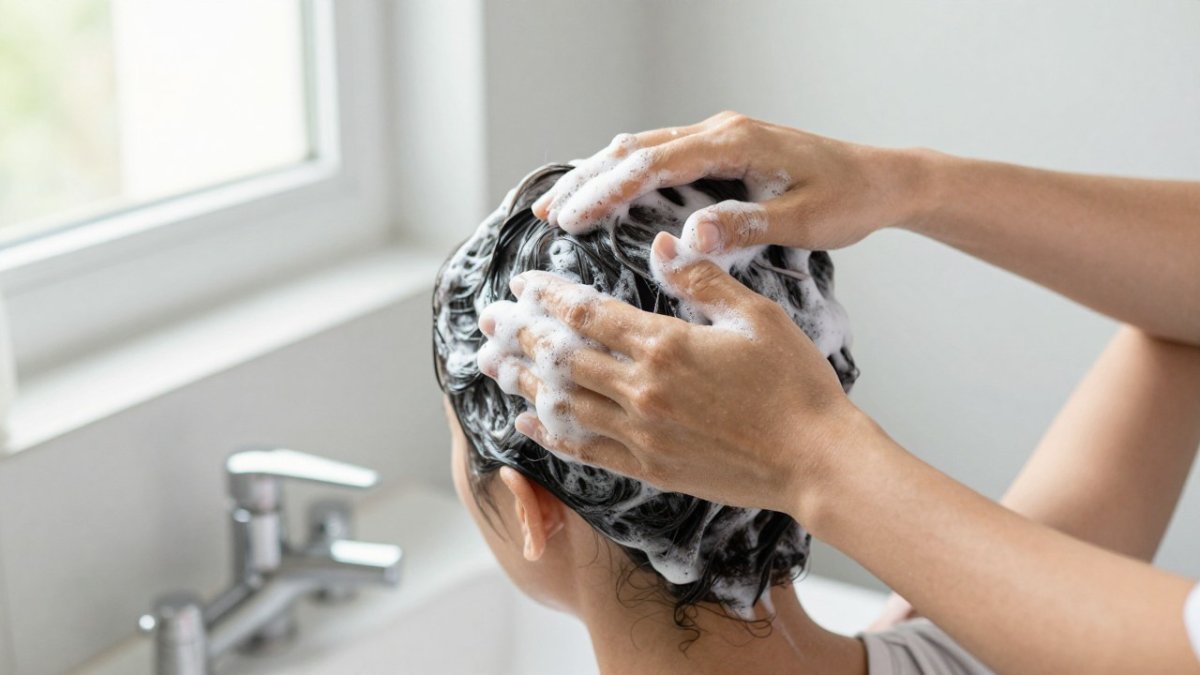
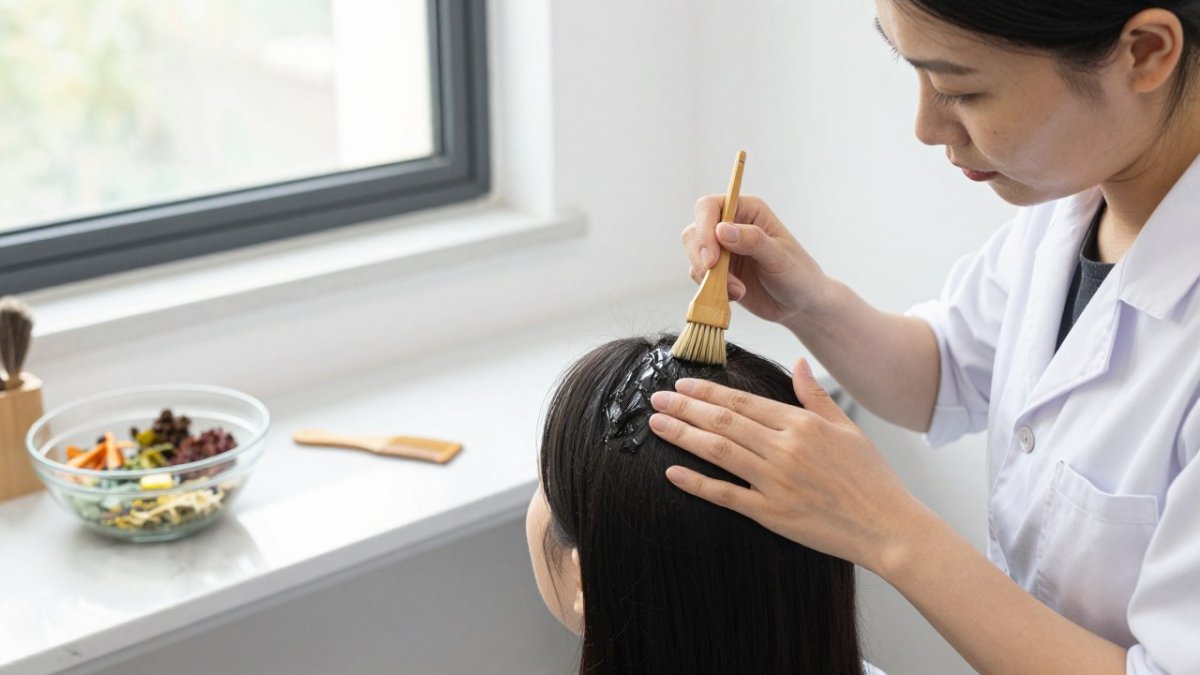
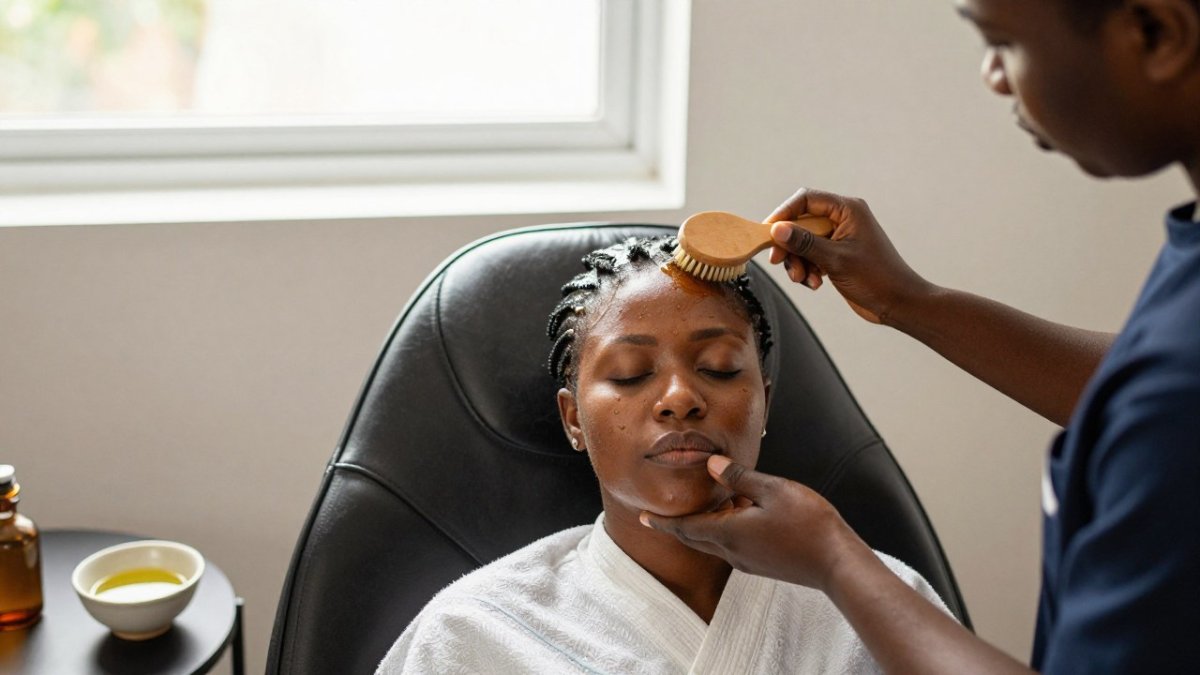
Step 1: Soften scale before you wash. Many dermatologists suggest applying a fragrance-free oil or a dedicated scalp treatment to dry plaques 30 minutes to a few hours before washing, then gently working it through with fingertips. This softens the scale so it lifts more easily.
Step 2: Choose a wash that matches your case. Medicated shampoos generally fall into a few groups:
- Salicylic acid shampoos help dissolve scale. They are often used in lower strengths for daily use, and stronger preparations are usually reserved for short-term, supervised use because they can dry or irritate the scalp and surrounding skin.
- Coal tar shampoos have a long history in psoriasis care and are often used a few times a week. They can stain light hair or fabric and may cause sensitivity in some people.
- Zinc pyrithione shampoos are often used to reduce scale and itch, and are sometimes rotated with other types to limit irritation.
- Ketoconazole or other antifungal shampoos are sometimes used alongside psoriasis treatment, but their role varies and should be discussed with your provider.
Your dermatologist can tell you which group fits your scalp, how often to use it, and whether to alternate products. Do not switch between strong medicated products without guidance.
Step 3: Wash in a set order. Use lukewarm water rather than hot, because heat tends to increase itch and dryness.
Step 4: Moisturize while the scalp is still damp. Pat the scalp dry, then apply a light, fragrance-free moisturizer or a steroid-free emollient to dry patches. Doing this soon after washing helps lock in moisture.
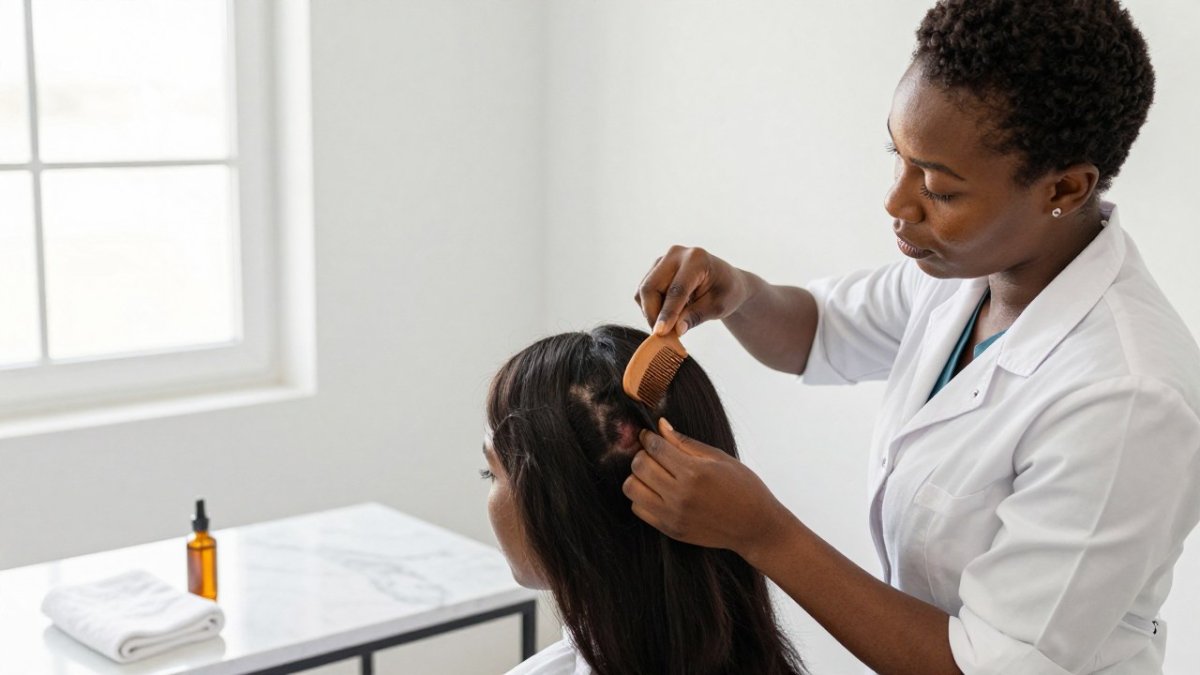
Step 5: Keep styling gentle. Avoid tight braids, heavy gels and hot tools on active patches. Wide-tooth combs are less likely to scrape plaques than fine-tooth combs.
A weekly rhythm often works better than an all-or-nothing approach. For example, you might use a medicated shampoo two or three times a week and a gentle, fragrance-free shampoo on other days, adjusting based on how the scalp responds.
Watch out: stop any product that stings, burns, or causes new blistering or swelling, and check with your provider before restarting it.
How to Stop Scalp Itching Without Making Flakes Worse
Itching is often the hardest part of scalp psoriasis. Scratching feels good for a moment, but it can break the skin, worsen flaking and invite infection. Breaking the itch cycle is a real goal.
Try these steps when itching starts:
- Pause before scratching. Press a cool cloth to the area for a minute instead.
- Use a fragrance-free moisturizer on dry, tight patches.
- Keep fingernails short so accidental scratching does less damage.
- Ask your provider about anti-itch options that fit your situation.
Be careful with home remedies. Some people try apple cider vinegar, tea tree oil or other strong ingredients for itch. These can sting or irritate broken skin. Always do a patch test on a small area first, and stop if you notice redness or burning.
Treatment for Scalp Psoriasis and Hair Loss: What to Expect
Many women worry that scalp psoriasis will lead to hair loss. In most cases, hair usually stays intact, though inflamed or heavily scratched areas can temporarily shed. Hair loss from other causes, such as postpartum shedding or hormonal changes, can also occur alongside psoriasis, so it is worth getting a full evaluation.
Set realistic expectations. Lifestyle changes often work slowly, over several weeks to months. Track your symptoms weekly so you can see progress that might feel invisible day to day.
Talk with a dermatologist or qualified trichologist if you notice:
- Patches of hair loss
- Scalp pain, bleeding or spreading redness
- Symptoms that do not improve after several weeks of self-care
A clinician can tell psoriasis apart from other scalp conditions, such as seborrheic dermatitis, and recommend the right treatment.
Building Your Scalp Care Routine and Booking a Professional Assessment
A steady routine makes lifestyle changes easier to keep. Here is a simple weekly plan to start with:
- Daily: Gentle moisturizing on dry patches, stress breaks and balanced meals
- Every few days: Gentle washing with a fragrance-free or medicated shampoo as advised
- Weekly: Review your symptom and food log, and note any new triggers
- Monthly: Check whether itching, flaking or redness have changed
Before booking an assessment, it helps to know what to look for in a provider. You can read our guide on how to choose a trichologist, including how to verify credentials before you book so you know what to ask. If you want to compare providers, our list of seven questions to ask a certified clinical trichologist can help you narrow your options.
If your scalp psoriasis has been active for a long time, you may also want to read our care guide on TCM for chronic scalp psoriasis, which covers bath routines and safety steps. For gentle itch relief, an overview of herbal rinses and whether they are effective explains what the evidence shows so far. And if you are making dietary changes, seven food changes that can support scalp healing offer practical starting points.
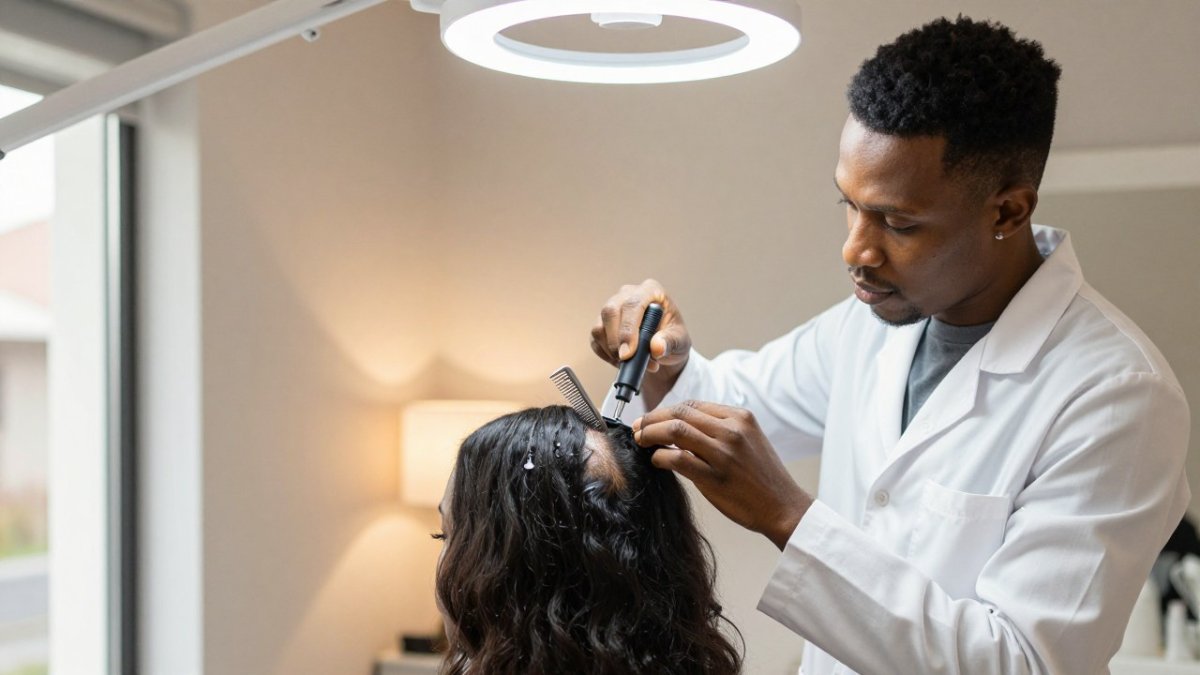
Lifestyle work is often most useful alongside professional care. A qualified provider can help you build a plan that fits your scalp, your history and your goals. Sophiatrichoholistic Hair Spa LLC offers personalized assessments for women with chronic scalp concerns. Contact us to start your scalp healing journey.
Frequently Asked Questions
Can lifestyle changes clear scalp psoriasis naturally?
Lifestyle changes can reduce flare severity and make symptoms easier to manage, but they rarely clear scalp psoriasis completely on their own. Diet, stress control, sleep, limiting alcohol and smoking, and gentle scalp care all support the skin's condition. Track your flares for several weeks to see which habits help you. If plaques, itching or hair shedding persist, a dermatologist can recommend medical treatments that work alongside these changes.
Can scalp psoriasis cause hair loss?
Scalp psoriasis itself usually does not destroy hair follicles, but thick plaques, scratching and inflammation can cause temporary shedding. Hair often regrows once the plaques heal. Hair loss that is patchy, persistent or accompanied by scarring should be evaluated by a dermatologist, because other causes such as alopecia need different treatment. Gentle handling of the scalp during flares helps limit breakage.
Which shampoo is best for scalp psoriasis?
Shampoos with salicylic acid, coal tar, zinc pyrithione or selenium sulfide are commonly used to loosen scale and calm inflammation. Choose a fragrance-free, gentle formula and use it two to three times per week, leaving it on the scalp for a few minutes before rinsing. Check the ingredient label and do a patch test first. Ask a dermatologist which option suits your scalp, especially if you have sensitive skin.
When should I see a dermatologist about scalp psoriasis?
See a dermatologist if your scalp is thick, bleeding, painful or spreading, if itching disrupts sleep or daily life, or if home care has not helped after several weeks. Prompt evaluation is also important if you notice hair loss, skin infection signs such as pus or warmth, or joint pain, since psoriasis can be associated with joint symptoms. A professional can confirm the diagnosis and rule out other scalp conditions.