 blog
Herbal Alternatives for Hair Regrowth: A Holistic Guide
Table of Contents
- Understanding Hair Loss: Root Causes and Starting Points
- Rosemary Oil for Hair Growth: Evidence and Application
- Saw Palmetto for Hair Loss: How It Works and What to Expect
- Herbal Supplements for Hair Growth: Types and Considerations
- How Long Do Herbal Hair Treatments Take to Work
- Hormonal Balance and Hair Regrowth: A Holistic Connection
- Building a Sustainable Herbal Regimen for Long-Term Results
- Frequently Asked Questions
Last Updated: October 9, 2026
Understanding Hair Loss: Root Causes and Starting Points
Hair loss affects millions of women across different life stages, and the causes are rarely simple. At Sophiatrichoholistic Hair Spa LLC, effective treatment starts with understanding what's actually happening beneath the scalp surface.
Hair thinning and hair loss stem from multiple sources. Hormonal shifts after pregnancy trigger postpartum hair loss. Chronic stress disrupts the hair growth cycle. Nutritional deficiencies weaken hair follicles from within. Scalp inflammation from conditions like seborrheic dermatitis or psoriasis creates an environment where hair struggles to grow. Genetics load the gun, but lifestyle and internal balance pull the trigger.
The key insight most people miss: conventional treatments often target symptoms, not root causes. A medicated shampoo might reduce flaking, but it won't restore hormonal balance or heal the scalp microbiome. This is where herbal alternatives hair regrowth offer a different path, one that addresses what's actually driving the problem.
Before pursuing any herbal regimen, identify your specific hair loss pattern. Is your hairline receding? Is the crown thinning? Are you shedding more than usual? Different patterns point to different causes. Postpartum hair loss typically reverses on its own over 12-18 months but responds well to nutritional support. Androgenetic alopecia (genetic hair loss) requires longer-term intervention. Scalp inflammation demands direct anti-inflammatory treatment.
Rosemary Oil for Hair Growth: Evidence and Application
Rosemary oil is one of the most studied herbal alternatives for hair regrowth, and for good reason. This essential oil has been used in Traditional Chinese Medicine for centuries to improve circulation and support hair vitality.
How it works: Rosemary oil stimulates blood flow to the scalp. Better circulation means hair follicles receive more oxygen and nutrients. The herb also contains compounds that may support the hair growth phase and reduce inflammatory responses in the scalp.
Application matters more than most people realize. Dilute rosemary essential oil in a carrier oil, coconut oil, jojoba oil, or sesame oil work well. A typical ratio is 5-10 drops of rosemary oil per tablespoon of carrier oil. Massage this mixture into your scalp 2-3 times weekly, focusing on areas where thinning is most visible. Leave it on for at least 15-20 minutes, or overnight if your schedule allows.
Consistent use of rosemary oil may lead to reduced shedding and improved hair texture. Visible regrowth in the hairline or crown typically takes several weeks of steady application.
Saw Palmetto for Hair Loss: How It Works and What to Expect
Saw palmetto is a herbal supplement specifically studied for androgenetic alopecia, the most common form of hair loss in women. This plant extract works differently than topical oils, it addresses hormonal factors driving hair loss at the follicle level.
The mechanism: Saw palmetto may help regulate DHT (dihydrotestosterone), a hormone implicated in pattern hair loss. By supporting hormonal balance, it creates conditions where hair follicles can transition back to the growth phase instead of remaining stuck in the shedding phase.
Saw palmetto comes as a supplement, typically in capsule or liquid extract form. Standard dosing ranges from 160-320 mg daily, though this varies by product concentration. Unlike topical treatments, supplements require consistency over time, most women need 8-12 weeks to notice changes in shedding patterns.
What to expect: The first sign is usually reduced hair loss. Your brush collects fewer strands. Your shower drain clears more easily. These changes often appear by week 6-8. Actual regrowth, new hairs appearing along the hairline or filling in thinned areas, typically becomes visible after 16-20 weeks of consistent use.
Important consideration: Saw palmetto works best when combined with other supportive measures. Scalp massage, nutritional support, and stress management amplify its effects. Women who use saw palmetto alone often see modest results; those who pair it with a holistic regimen see more dramatic improvements.
Herbal Supplements for Hair Growth: Types and Considerations
Beyond rosemary and saw palmetto, several other herbal supplements support hair regrowth through different mechanisms. Understanding what each does helps you build an effective regimen.
Biotin and B-complex vitamins strengthen hair structure. Hair is made of protein, and B vitamins support protein synthesis. Biotin specifically reinforces the keratin that forms hair strands. Biotin is often taken daily, combined with a full B-complex supplement.
Nettle leaf is rich in minerals, silica, iron, and zinc, that hair follicles need to thrive. It also supports hormonal balance through its effect on the endocrine system. Nettle works best as a tea: steep 1-2 teaspoons of dried nettle leaf in hot water for 5-10 minutes, drink twice daily.
Fo-ti (Chinese knotweed) has been used in Traditional Chinese Medicine for centuries to darken hair and support regrowth. It works by nourishing what TCM calls the "kidney essence," which governs hair health. Typical dosing is 500-1000 mg daily as a capsule or powder.
Ginseng improves overall energy and circulation. Asian ginseng specifically supports hair follicle function and may reduce shedding. A quality ginseng supplement provides 200-400 mg of standardized extract daily.
| Supplement | Primary Function | Typical Dose | Timeline to Results |
|---|---|---|---|
| Biotin | Strengthens hair structure | 2.5 mg daily | 8-12 weeks |
| Nettle leaf | Provides minerals, hormonal support | 1-2 cups tea daily | 6-10 weeks |
| Fo-ti | Nourishes follicles, supports regrowth | 500-1000 mg daily | 12-16 weeks |
| Ginseng | Improves circulation, reduces shedding | 200-400 mg daily | 8-14 weeks |
Hair health depends on multiple systems working together. A comprehensive herbal regimen may combine biotin for structure, nettle for minerals, and either saw palmetto or fo-ti for follicle activation. Results may compound when you address nutrition, circulation, and hormonal balance simultaneously.
How Long Do Herbal Hair Treatments Take to Work
This is the question every woman asks, and the honest answer depends on what you're measuring.
Shedding reduction happens fastest, usually 4-8 weeks. This is the easiest change to notice. Your brush collects fewer hairs. Your shower drain doesn't clog. This shift signals that your regimen is stabilizing the hair growth cycle.
Visible regrowth takes longer. New hairs growing from dormant follicles require time to emerge from the scalp, grow long enough to see, and become noticeable against your existing hair. Visible regrowth may be observed after consistent treatment.
Start Your Hair & Scalp Healing Journey →
Significant density improvement, where others start asking what you changed, typically requires 20-26 weeks (5-6 months) of steady application and supplementation.
Why the timeline matters: Your hair grows in cycles. The growth phase lasts 2-6 years, but individual hairs only spend 2-3 months in the active growth phase at any given time. Herbal treatments work by extending the growth phase and shortening the shedding phase. This process unfolds gradually across multiple hair cycles.
Consistency is non-negotiable. Missing applications or skipping supplements resets your progress. Consistency is non-negotiable. Missing applications or skipping supplements resets progress. Consistent use is key for optimal results.
Hormonal Balance and Hair Regrowth: A Holistic Connection
Hair loss and hormonal imbalance are deeply linked. This is why the same treatment produces dramatic results for one woman and nothing for another, their hormonal pictures are different.
Postpartum hair loss occurs because estrogen levels plummet after delivery. During pregnancy, elevated estrogen extends the growth phase of hair. When estrogen drops, many hairs shift into the shedding phase simultaneously, creating the noticeable hair loss women experience 2-4 months postpartum.
Birth control affects hair loss in complex ways. Some formulations stabilize hormones and reduce shedding; others trigger it. If your hair loss started after changing contraception, the hormonal shift is likely the culprit.
Thyroid dysfunction is an underdiagnosed cause of hair thinning. The thyroid regulates metabolism, and when it's underactive, hair growth slows. If you have fatigue, weight gain, or cold sensitivity alongside hair loss, ask your doctor to check your thyroid.
Cortisol (stress hormone) suppresses hair growth. Chronic stress pushes hair follicles into the shedding phase prematurely. This is why women often notice increased shedding during high-stress periods. Herbal adaptogens like ashwagandha or rhodiola help regulate cortisol, supporting hair stability.
Among herbal alternatives hair regrowth for hormonal causes, those supporting endocrine function work best: nettle leaf, fo-ti, and saw palmetto all have mild hormonal-balancing properties. Paired with stress management and adequate sleep, they create conditions where hormones stabilize and hair can grow.
Building a Sustainable Herbal Regimen for Long-Term Results
A sustainable regimen is one you'll actually maintain. This means choosing treatments that fit your life, not abandoning them after two months because they're inconvenient.
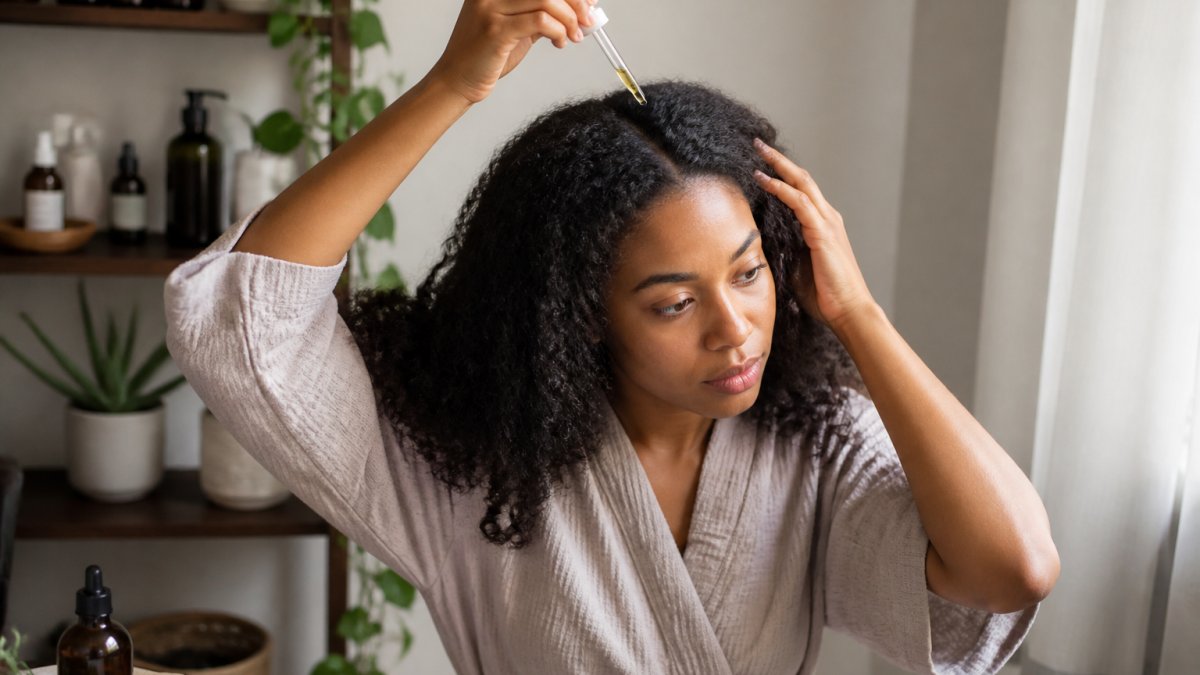
Start simple. Pick one topical treatment (rosemary oil is the easiest entry point) and one oral supplement (biotin or nettle leaf). Use the oil 2-3 times weekly. Take the supplement daily.
Once you see shedding decrease, add a second supplement. If you started with biotin, add nettle leaf. If you started with nettle, add saw palmetto.
Track your progress. Take photos of your hairline and crown every 4 weeks. Note shedding patterns. Track how your scalp feels. This data tells you whether your regimen is working or needs adjustment.
Quality matters. Buy supplements from reputable brands that third-party test for purity. Use essential oils from suppliers who verify their sourcing. Cheap supplements often contain fillers that dilute effectiveness.
At Sophiatrichoholistic Hair Spa LLC, combining home herbal care with professional scalp treatments can be beneficial. In-spa treatments address scalp microbiome health and inflammation directly, while home routines maintain momentum between appointments.
Hair loss doesn't have to be permanent, and herbal alternatives for hair regrowth offer a real path forward when you approach them strategically.
Sophiatrichoholistic Hair Spa LLC specializes in integrating Traditional Chinese Medicine with clinical trichology to identify the root cause of your hair loss and design a personalized treatment plan.
Frequently Asked Questions
Can herbal alternatives actually regrow hair, or do they just slow down hair loss?
Herbal alternatives work differently depending on the cause of your hair loss. Some herbs like saw palmetto may help slow shedding by addressing DHT-related hair loss, while others like rosemary oil may support scalp circulation and create conditions for regrowth. Results vary based on the underlying cause, whether it's hormonal, nutritional, inflammatory, or related to scalp health. A consultation with a trichologist or qualified practitioner can help identify your specific hair loss pattern and determine which herbal approaches are most likely to support regrowth in your case.
How long do herbal hair treatments take to work before I see visible progress?
Herbal treatments require consistent use for several months before visible regrowth or reduced shedding may become noticeable. Hair growth cycles mean new hairs take time to emerge and strengthen. Initial improvements in scalp health, less inflammation or oiliness, may be observed within a few weeks, which can create a better environment for growth. Tracking results with photos and noting changes in shedding patterns helps you assess whether a regimen is working for you. If no improvement appears after consistent use, consulting a trichologist can help adjust your approach.
Are herbal hair-growth supplements safe to use long-term?
Most herbal supplements are generally well-tolerated, but safety depends on the specific herb, your health history, and any medications you take. Saw palmetto, for example, may interact with hormonal medications or blood thinners. Rosemary oil applied topically is safe for most people but should be diluted. Before starting any herbal regimen, especially if you have chronic scalp conditions like psoriasis or seborrheic dermatitis, take birth control, or have hormonal sensitivities, consult a healthcare provider or licensed herbalist. They can identify contraindications and ensure your herbal approach supports rather than conflicts with your overall health.
Can natural remedies regrow hair caused by hormonal changes like postpartum hair loss?
Postpartum hair loss (telogen effluvium) often resolves naturally within 6 to 12 months as hormones rebalance. Herbal approaches that support hormonal balance, such as adaptogens, scalp nourishment, and nutrient-dense foods, may accelerate recovery and reduce shedding during this period. Rosemary oil, scalp massage, and herbs that support circulation can improve scalp health while your body stabilizes. However, if hair loss persists beyond 12 months or worsens, a trichologist can assess whether an underlying condition like thyroid dysfunction or nutritional deficiency requires additional attention beyond herbal support.