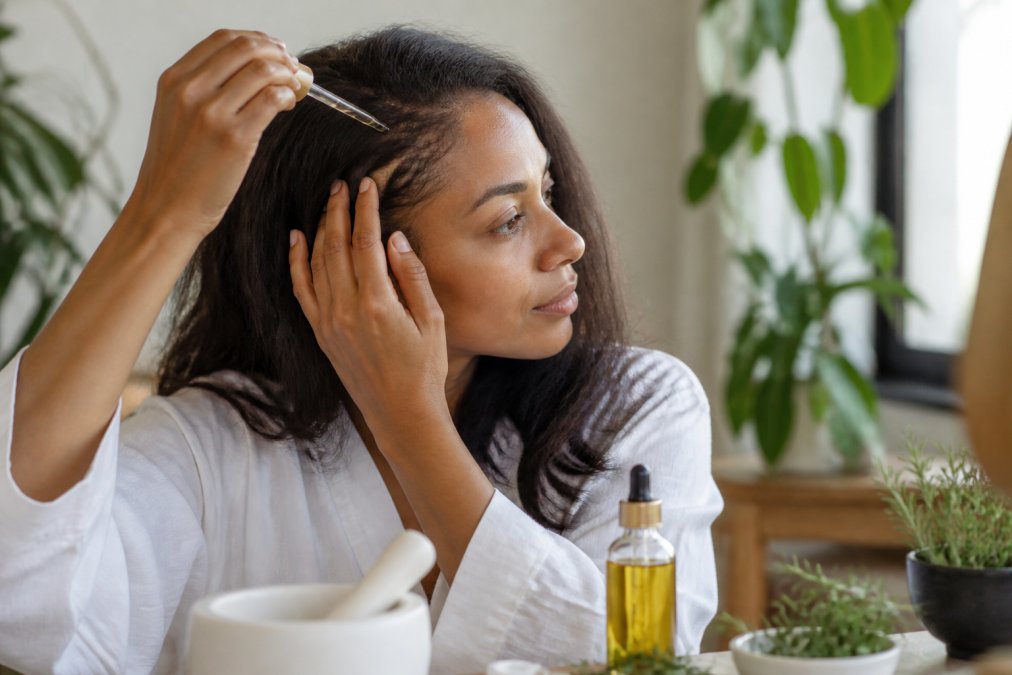
 ultimate-guide
Natural Hair Regrowth for Women: A 2026 Guide
Table of Contents
- Why Women Lose Hair: The Root Causes Behind Hair Thinning
- Scalp Inflammation and Hair Thinning: Breaking the Cycle
- Natural Hair Regrowth for Women: Essential Oils and Topical Protocols
- Nutritional Support for Hair Regrowth: What to Eat and Supplement
- Holistic Hair Loss Treatment: Integrating Traditional Chinese Medicine and Trichology
- Natural Hair Regrowth for Women: Lifestyle Factors That Accelerate Results
- Frequently Asked Questions
Last Updated: August 30, 2026
Hair loss affects a significant portion of women, yet most conventional treatments address symptoms rather than root causes. Natural hair regrowth for women requires understanding the scalp, follicle, hormonal environment, and nutritional foundation. At Sophiatrichoholistic Hair Spa LLC, we integrate Traditional Chinese Medicine with clinical trichology to address this complexity. The real problem most guides miss: natural hair regrowth fails not because the remedies are wrong, but because they're applied without understanding the underlying cause. Rosemary oil won't correct an iron deficiency. Scalp massage won't resolve a hormonal imbalance driving DHT overproduction.
Why Women Lose Hair: The Root Causes Behind Hair Thinning
Scalp inflammation, hormonal disruption, and nutritional deficiency are the three most common drivers of female hair loss, and they frequently overlap.
DHT, Hormones, and the Hair Cycle
Dihydrotestosterone (DHT) is an androgen derived from testosterone that binds to hair follicle receptors, triggering follicular atrophy and shortening the anagen (active growth) phase. DHT disrupts the hair cycle by pushing follicles prematurely into the telogen (resting) phase. Natural DHT inhibition strategies focus on reducing 5-alpha reductase, the enzyme that converts testosterone to DHT. Saw palmetto and pumpkin seed oil are commonly cited for this purpose, though individual responses vary.
Hormonal fluctuations across the menstrual cycle, perimenopause, and menopause also shift the hair cycle's rhythm. Estrogen generally supports the anagen phase, which is why hair often feels thicker mid-cycle and thinner before menstruation.
Postpartum Hair Loss and Telogen Effluvium
Telogen effluvium occurs when a physiological stressor, childbirth, surgery, severe illness, or crash dieting, pushes a large percentage of follicles simultaneously into the telogen phase, resulting in diffuse shedding two to four months after the triggering event. This condition is largely reversible when the underlying stressor is resolved and nutritional support is adequate. Prioritizing iron, protein, and essential fatty acids during the postpartum period is one of the most evidence-aligned approaches to accelerating natural hair regrowth.
Scalp Inflammation and Hair Thinning: Breaking the Cycle
Chronic scalp inflammation is one of the most underappreciated drivers of hair thinning and one of the most treatable. Inflammation at the follicular level compresses the dermal papilla, the structure responsible for signaling growth, and disrupts nutrient absorption.
How Seborrheic Dermatitis and Psoriasis Disrupt Follicle Stimulation
Seborrheic dermatitis and scalp psoriasis create an inflammatory environment that compromises follicle stimulation. Seborrheic dermatitis, driven by Malassezia yeast overgrowth, generates oxidative stress at the follicular level. Psoriasis creates rapid skin cell turnover that physically blocks follicles and perpetuates inflammation. Both conditions impair the scalp microbiome, the ecosystem of bacteria and fungi that regulate scalp pH, sebum production, and immune response.
As documented in National Eczema Association guidance on scalp conditions, inflammatory scalp disorders require treatment that addresses underlying immune dysregulation, not just surface symptoms.
Restoring the Scalp Microbiome
Restoring scalp microbiome balance is often the prerequisite step that makes everything else work. Anti-inflammatory botanical extracts, including tea tree, calendula, and neem, can reduce Malassezia overgrowth without stripping beneficial flora. Diluted apple cider vinegar rinses can help restore scalp pH toward the mildly acidic range that beneficial bacteria prefer. Dietary intervention also matters: fermented foods, prebiotic fibers, and omega-3 essential fatty acids all support the gut-skin axis, which influences scalp immune function.
Natural Hair Regrowth for Women: Essential Oils and Topical Protocols
Natural hair regrowth through topical application is most effective when systematic, not sporadic. The right oils applied correctly and consistently can meaningfully support follicle stimulation, scalp circulation, and hair shaft strength.
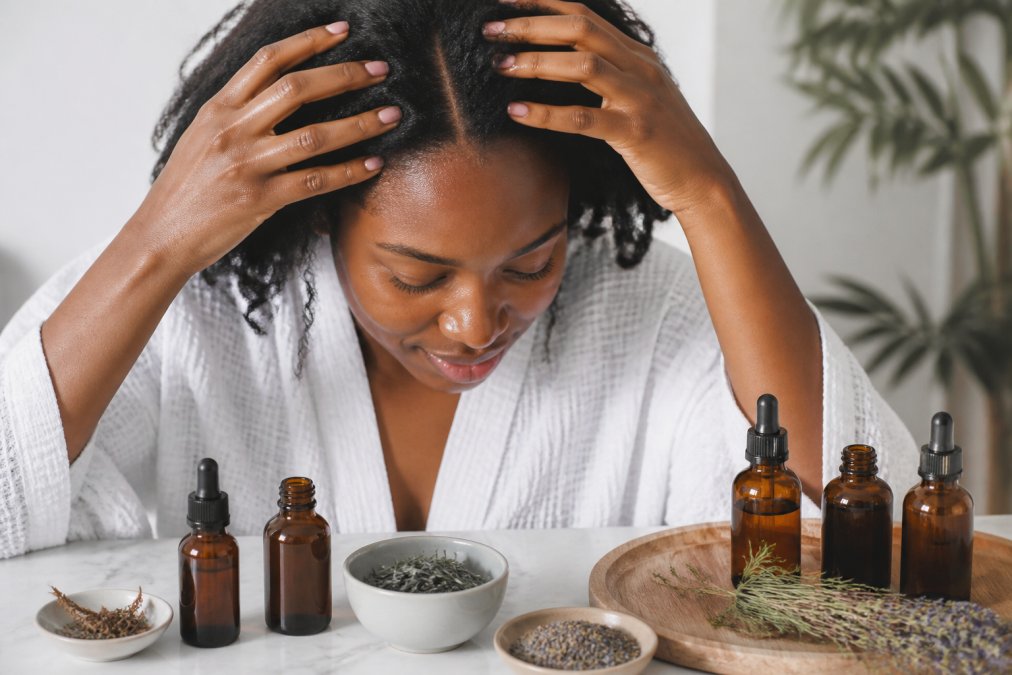
According to NIH National Center for Complementary and Integrative Health on essential oils, rosemary oil has been studied for its potential to support scalp circulation and follicle activity, with some research suggesting comparable outcomes to certain topical treatments for hair density over a six-month period.
Choosing Carrier Oils for Your Hair Porosity and Texture
Hair porosity, the degree to which the hair shaft absorbs and retains moisture, determines which carrier oils will penetrate effectively versus sit on the surface and cause buildup.
| Hair Porosity | Characteristics | Best Carrier Oils |
|---|---|---|
| Low porosity | Cuticles tightly closed, resists moisture | Argan oil, grapeseed oil (lightweight) |
| Medium porosity | Balanced absorption, holds moisture well | Jojoba oil, sweet almond oil |
| High porosity | Absorbs quickly, loses moisture fast | Castor oil, avocado oil (heavier, sealing) |
| Coarse/thick texture | Needs heavier oils for penetration | Coconut oil, shea butter blends |
| Fine/thin texture | Prone to weighing down | Rosehip oil, marula oil |
For essential oils targeting natural hair regrowth, rosemary and peppermint are most commonly used for follicle stimulation and scalp circulation. Always dilute: a standard working concentration is 2-3 drops of essential oil per teaspoon of carrier oil. Never apply undiluted essential oils directly to the scalp.
Step-by-Step Scalp Massage and Application Protocol
A consistent scalp massage protocol stimulates the dermal papilla, increases blood flow to follicles, and helps topical serums penetrate more effectively:
- Section the hair into four quadrants to ensure full scalp coverage.
- Warm the oil blend slightly between your palms to improve absorption.
- Apply to the scalp using a dropper or fingertips, focusing on thinning areas first.
- Massage with fingertip pads using small circular motions for 4-5 minutes.
- Work systematically from the nape forward to the crown, then temple to temple.
- Leave on for 30-60 minutes or overnight under a shower cap for deeper penetration.
- Cleanse thoroughly with a gentle, sulfate-free shampoo to prevent buildup.
Frequency: three to four times per week for active regrowth phases; once or twice per week for maintenance.
Nutritional Support for Hair Regrowth: What to Eat and Supplement
Nutritional support for hair regrowth is foundational. The hair follicle is one of the most metabolically active structures in the body and is among the first to be deprioritized when the body faces nutritional shortfalls.
Biotin, Iron, and Essential Fatty Acids
Three nutrients consistently emerge as central to follicle health:
Biotin (vitamin B7) supports the protein synthesis required to build keratin, the structural protein of the hair shaft. Subclinical insufficiency can impair hair shaft strength and contribute to breakage.
Iron is critical for follicle oxygenation. Iron deficiency, even without full anemia, is one of the most common and most reversible causes of hair thinning in women of reproductive age. Ferritin levels (stored iron) are a more sensitive indicator than serum iron alone. According to American Academy of Dermatology guidance on hair loss, low ferritin is frequently identified in women presenting with diffuse hair shedding.
Start Your Hair & Scalp Healing Journey →
Essential fatty acids, particularly omega-3s from fatty fish, flaxseed, and walnuts, reduce scalp inflammation, support the scalp microbiome, and protect the hair shaft.
A practical daily framework: prioritize iron-rich foods (lean red meat, lentils, spinach) paired with vitamin C for absorption; include a quality protein source at every meal; add omega-3 sources daily; ensure adequate zinc through pumpkin seeds, hemp seeds, or shellfish.
Interaction Warnings: When Supplements Can Work Against You
Supplement interactions are real and can actively undermine hair regrowth efforts:
- High-dose zinc without copper supplementation can deplete copper, which is essential for hair pigmentation and follicle integrity.
- Biotin supplementation at high doses can interfere with thyroid function lab tests, potentially masking hypothyroidism, a common driver of hair loss.
- Iron supplementation without confirmed deficiency can cause oxidative stress, which harms follicles.
- Saw palmetto may interact with blood-thinning medications and hormonal contraceptives.
Always consult a qualified healthcare provider before beginning a supplement protocol, particularly if you take prescription medications or have a diagnosed thyroid condition.
Holistic Hair Loss Treatment: Integrating Traditional Chinese Medicine and Trichology
Holistic hair loss treatment combining Traditional Chinese Medicine with clinical trichology addresses hair loss from angles that neither discipline fully covers alone. Trichology provides precise scalp and follicle assessment; TCM provides a framework for understanding systemic imbalances that manifest as hair loss.
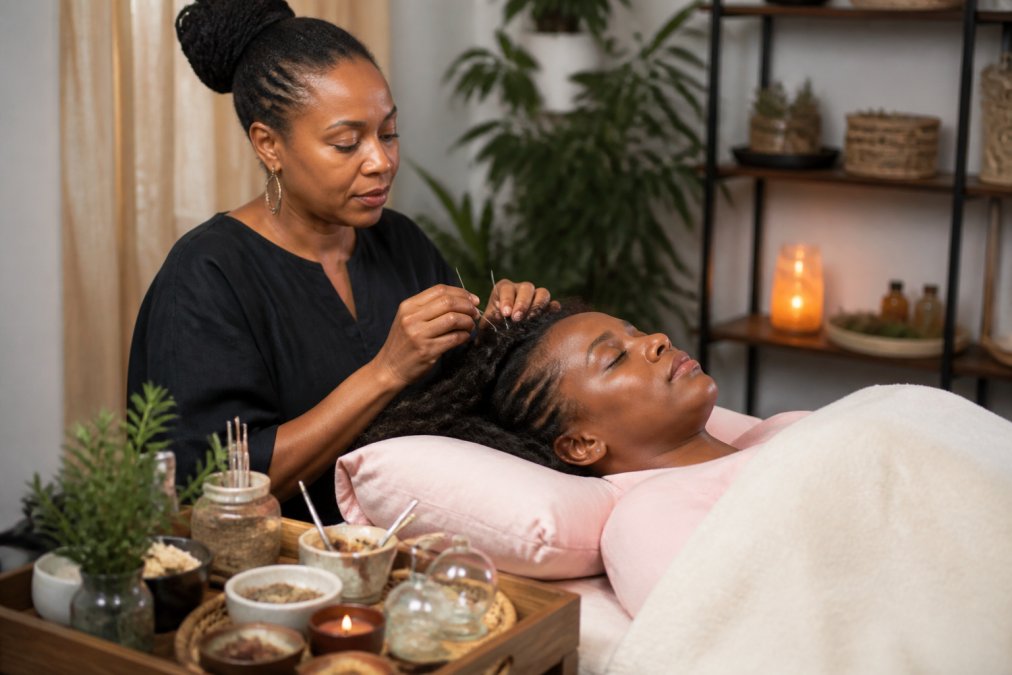
At Sophiatrichoholistic Hair Spa LLC, this integration is the clinical foundation of our approach. Our practice is led by a Licensed Acupuncture Physician and Doctor of Acupuncture and Oriental Medicine who is also a Certified Holistic Trichologist, enabling genuine cross-disciplinary assessment rather than parallel treatments.
Acupuncture, Botanical Extracts, and Scalp Circulation
Acupuncture applied to scalp points is theorized to increase local blood flow, reduce systemic inflammation, and modulate the nervous system's stress response. Elevated cortisol from chronic stress is a well-documented trigger of telogen effluvium, and acupuncture's documented effects on the autonomic nervous system make it a rational intervention for stress-related hair loss.
Botanical extracts used in TCM for hair health include He Shou Wu (Fo-Ti), traditionally used to tonify the Liver and Kidney channels associated with hair vitality, as well as Rehmannia and Dang Gui (Angelica sinensis), which support Blood nourishment. As noted by Memorial Sloan Kettering Cancer Center's integrative medicine herb database, He Shou Wu carries documented liver toxicity risk when used in unprepared or high-dose forms, underscoring the importance of professional guidance with TCM herbal protocols.
How Hormonal Cycle Phases Affect Treatment Timing
Treatment timing relative to the hormonal cycle can meaningfully influence outcomes. Estrogen peaks around ovulation (days 12-16 of a typical cycle) and supports the anagen phase, often the optimal window for intensive topical treatments and scalp stimulation protocols. During the luteal phase (days 15-28), progesterone rises and estrogen declines. Scalp oiliness often increases, and some women experience heightened follicle sensitivity. Adjusting the treatment protocol to focus on scalp microbiome support and anti-inflammatory care during this phase aligns with the body's natural hormonal rhythm.
Natural Hair Regrowth for Women: Lifestyle Factors That Accelerate Results
The lifestyle factors that support natural hair regrowth are often the difference between a protocol that works and one that stalls.
Sleep quality directly affects growth hormone secretion, which peaks during deep sleep and plays a role in cell regeneration including follicle activity. Chronic stress management is non-negotiable: elevated cortisol suppresses the immune system, disrupts hormonal balance, and accelerates the shift from anagen to telogen. Protein intake is frequently inadequate in women who are dieting or following plant-based diets without careful planning. Heat styling and mechanical stress cause hair breakage often mistaken for hair loss. Scalp hygiene matters more than most people realize: an overly oily scalp creates a breeding ground for Malassezia overgrowth.
| Lifestyle Factor | Impact on Hair | Practical Action |
|---|---|---|
| Sleep (7-9 hours) | Growth hormone secretion, follicle repair | Consistent sleep schedule, limit screens before bed |
| Stress management | Cortisol reduction, hormonal balance | Daily breathwork, moderate aerobic exercise |
| Protein intake | Keratin synthesis, follicle fuel | Protein source at every meal |
| Heat styling reduction | Reduced breakage, shaft integrity | Air dry when possible, heat protectant always |
| Scalp hygiene | Microbiome balance, follicle patency | Wash frequency matched to sebum production |
| Hydration | Nutrient transport to follicles | Consistent daily water intake |
Natural hair regrowth for women is a systemic outcome, not a topical fix. The scalp reflects what's happening internally, hormonally, nutritionally, and neurologically. Addressing lifestyle factors creates the internal environment in which every other intervention becomes more effective.
Chronic hair thinning and scalp conditions rarely resolve through a single product or protocol. The women who see lasting results address root causes, hormonal, nutritional, inflammatory, and lifestyle-based, with a coordinated, personalized approach. Sophiatrichoholistic Hair Spa LLC offers exactly this: a clinically grounded, holistic framework that integrates Traditional Chinese Medicine with advanced trichology to restore scalp health and support sustainable hair regeneration. Our team brings over 30 years of experience in wellness and medical hair restoration to every client assessment. Start Your Hair & Scalp Healing Journey by reaching out to schedule a personalized consultation.
Frequently Asked Questions
Can I regrow my lost hair naturally as a female?
Regrowing hair naturally is possible for many women, depending on the underlying cause. Hair loss from telogen effluvium, iron deficiency, hormonal shifts, or scalp inflammation often responds well to targeted natural interventions including dietary changes, scalp massage, essential oils, and botanical extracts. Permanent follicular atrophy from advanced scarring alopecia is harder to reverse. A consultation with a certified trichologist helps identify whether your specific hair loss pattern is a good candidate for natural hair regrowth protocols.
How does scalp inflammation affect hair thinning in women?
Scalp inflammation disrupts the dermal papilla, the structure that signals follicles to produce hair. Conditions like seborrheic dermatitis and psoriasis create oxidative stress and restrict scalp circulation, pushing follicles prematurely into the telogen phase. Over time, chronic inflammation leads to follicular atrophy and reduced hair density. Addressing the root cause of inflammation through anti-inflammatory botanical extracts, scalp microbiome restoration, and dietary intervention is central to any effective natural hair regrowth plan.
What is the role of Traditional Chinese Medicine in hair health?
Traditional Chinese Medicine views hair loss as a signal of internal imbalance, often linked to kidney essence, blood deficiency, or disrupted qi flow. Acupuncture promotes scalp circulation and may support the anagen phase of the hair cycle. Herbal formulations used in TCM, such as He Shou Wu and other botanical extracts, have been studied for DHT inhibition and follicle stimulation. When combined with clinical trichology, this integrative approach addresses both the physiological and systemic contributors to hair thinning in women.
What really works to regrow hair in women?
Evidence points to a combination of approaches rather than a single remedy. Scalp massage consistently improves scalp circulation and hair shaft strength when practiced regularly. Correcting nutritional deficiencies, particularly biotin, iron, and essential fatty acids, supports protein synthesis in the follicle. Topical application of rosemary oil has shown measurable results in some studies. For women with hormonal or inflammatory drivers, holistic hair loss treatment that addresses root causes tends to produce more sustainable results than surface-level remedies alone.
Are natural remedies for hair loss safe and effective for women with scalp conditions like psoriasis?
Many natural remedies are well-tolerated, but safety depends on the individual and the specific condition. Women with scalp psoriasis or seborrheic dermatitis should patch-test any new topical application, including essential oils diluted in carrier oils, before full use. Some supplements interact with medications, so checking with a healthcare provider before adding high-dose biotin or herbal supplements is important. A personalized holistic hair loss treatment plan developed by a qualified trichologist reduces the risk of aggravating existing scalp conditions.
How does my hormonal cycle affect natural hair regrowth?
Estrogen prolongs the anagen phase, which is why many women notice thicker hair mid-cycle. As estrogen drops before menstruation, more follicles can shift toward the telogen phase, increasing shedding. Postpartum estrogen withdrawal is one of the most dramatic triggers of telogen effluvium. Aligning treatment timing with hormonal cycle phases, a strategy used in integrative trichology, can improve nutrient absorption and topical treatment results by working with the body's natural fluctuations rather than against them.