 How-to
Postpartum Hair Health: Lifestyle Changes That Help
Last Updated: November 8, 2026
Quick Summary
Postpartum hair health improves most with a nutrient-dense diet built around protein, iron, zinc and omega-3 fatty acids, gentle hair-care habits that reduce breakage, and protected sleep with stress management. Shedding after delivery is usually temporary and eases over time, though timelines vary for each person.
- Build each plate around one protein source, one iron-rich food, and one colorful vegetable or fruit.
- Only take iron supplements after a blood test confirms low ferritin or low hemoglobin.
- Wash less often if your scalp tolerates it, every two to three days being a common rhythm.
- Detangle from the ends upward, working in small sections with a wide-tooth comb or your fingers.
- Take a photo of your part and hairline once a month, in the same light, to track regrowth.
Table of Contents
- Why Postpartum Hair Loss Happens and What to Expect
- Step 1: Build a Nutrient-Dense Diet for Hair Recovery
- Step 2: Adopt Gentle Hair-Care Habits to Reduce Breakage
- Step 3: Protect Sleep, Manage Stress and Pace Your Recovery
- Step 4: Track Regrowth and Set Realistic Timelines
- Hair Regrowth After One Year: What Is Normal and What Needs Evaluation
- Booking Your Next Step: A Scalp and Hair Consultation
- Frequently Asked Questions
Why Postpartum Hair Loss Happens and What to Expect
Postpartum hair health is often the first thing new mothers notice is off after delivery, and it can feel alarming. The good news is that this shedding is usually temporary and has a clear biological cause.
Postpartum hair loss is the increased shedding of hair that happens in the months after giving birth (ncbi.nlm.nih.gov). It is not new hair loss, but rather the return of normal shedding that pregnancy had paused. Many people find that the amount of hair on their brush or in the drain seems to jump all at once.
How hormonal changes after pregnancy affect the hair growth cycle
During pregnancy, estrogen levels rise and stay high. Estrogen extends the growth phase of hair, so fewer hairs fall out than usual. Most women notice thicker, fuller hair during pregnancy for this reason.
After delivery, estrogen drops back toward its pre-pregnancy level. Hairs that were held in the growth phase move into the resting phase, and then shed. This process is called telogen effluvium, and it is the most common cause of postpartum shedding.
When shedding usually starts and how long it lasts
Shedding often begins in the months after delivery, though timing varies. For many women it eases over time, and everyone's timeline is different.
Keep in mind that everyone's timeline is different. Some women shed for a shorter period, while others may notice changes for longer.
Step 1: Build a Nutrient-Dense Diet for Hair Recovery
Your diet is one of the most practical tools you have. The goal is not a perfect diet, it is a repeatable pattern you can keep up on four hours of broken sleep.
Protein, iron, zinc and omega-3 fatty acids
Focus on these key nutrients and aim for a palm-sized portion at each meal rather than tracking grams:
- Protein: Eggs, fish, beans, lentils, Greek yogurt, cottage cheese, and lean chicken.
- Iron: Red meat, spinach, fortified cereals, lentils, and white beans.
- Zinc: Pumpkin seeds, chickpeas, oysters, beef, and fortified cereal.
- Omega-3 fatty acids: Salmon, sardines, walnuts, ground flaxseed, and chia seeds.
- Vitamin D and B12: Fatty fish, egg yolks, fortified milk, and fortified plant milks. These matter especially if you are breastfeeding or eat a plant-based diet.
A simple rule that works for most parents: build each plate around one protein source, one iron-rich food, and one colorful vegetable or fruit. Batch-cook one protein and one grain on the weekend so a meal is assembly, not cooking. Keep shelf-stable snacks, nuts, roasted chickpeas, string cheese, fortified cereal, within arm's reach of the spot where you feed the baby.
Vitamins and supplements: safety while breastfeeding
Many women reach for supplements after delivery, and talking with a qualified provider before starting any product is a sensible step. Before starting any product, talk with your doctor, especially if you are breastfeeding.
A few evidence notes worth knowing:
- Iron: Only supplement after a blood test confirms low ferritin or low hemoglobin. Taking iron without a deficiency can cause constipation and mask other problems.
- Vitamin A: High doses are a known risk during pregnancy and are not recommended in excess while breastfeeding. Avoid stacking multiple products that each contain vitamin A.
- Biotin: Popular in hair supplements, but it can interfere with common lab tests, including thyroid tests, and can produce misleading results. Tell your provider if you take it.
- Collagen and "hair growth" blends: Evidence in postpartum shedding is limited. These are not proven to shorten shedding, and quality varies widely because supplements are not reviewed for efficacy before sale.
- Prenatal vitamin: Continuing your prenatal vitamin after delivery is a common, low-risk way to cover baseline needs, but it is not a treatment for shedding on its own.
If shedding is heavy or prolonged, ask a qualified provider which tests are appropriate for you. Bring your supplement bottles to the visit so interactions and duplicate doses can be reviewed together.
Step 2: Adopt Gentle Hair-Care Habits to Reduce Breakage
Shedding is the body's natural process, but breakage is something you can reduce. Gentle habits protect the hair you already have while it grows back. The catch is that "gentle" looks different depending on your texture, length, and whether your hair is chemically treated, so the advice below is organized by hair type rather than one universal routine.
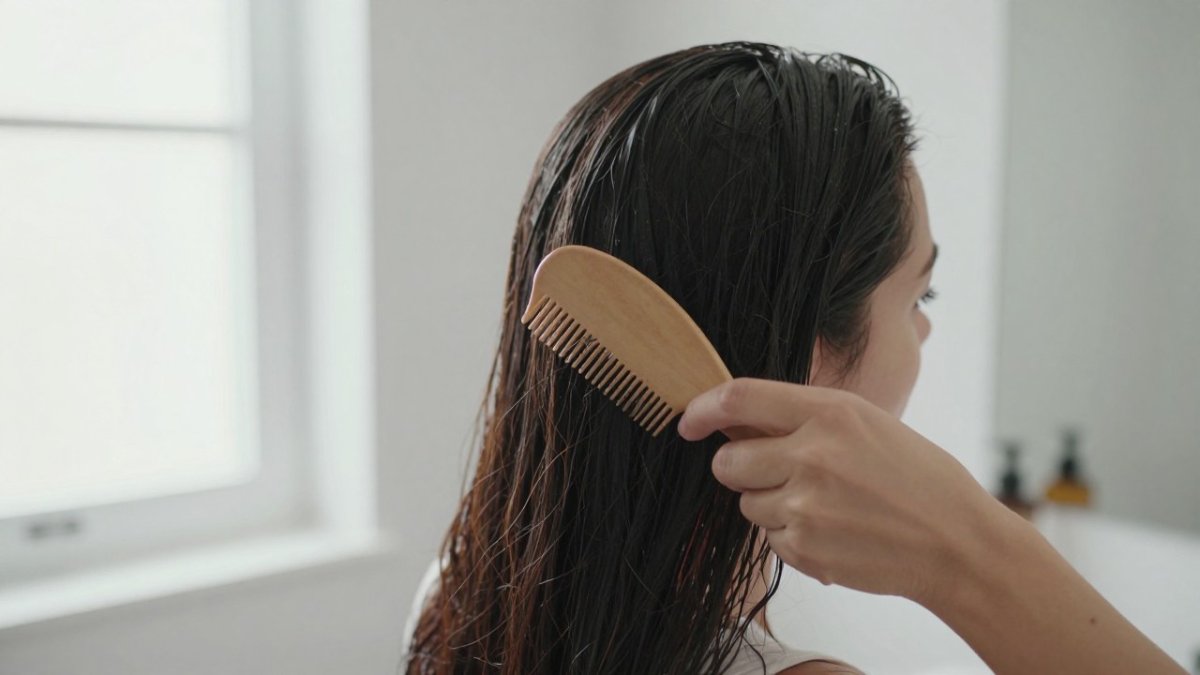
Washing, brushing and combing without tension
- Use a mild, sulfate-free shampoo and apply conditioner to the lengths and ends, not the scalp, unless your scalp is dry or flaky.
- Wash less often if your scalp tolerates it, every two to three days is a common rhythm, but do not let product buildup sit on the scalp, which can cause itching and irritation.
- Pat hair dry with a soft cotton towel or a microfiber wrap instead of rubbing.
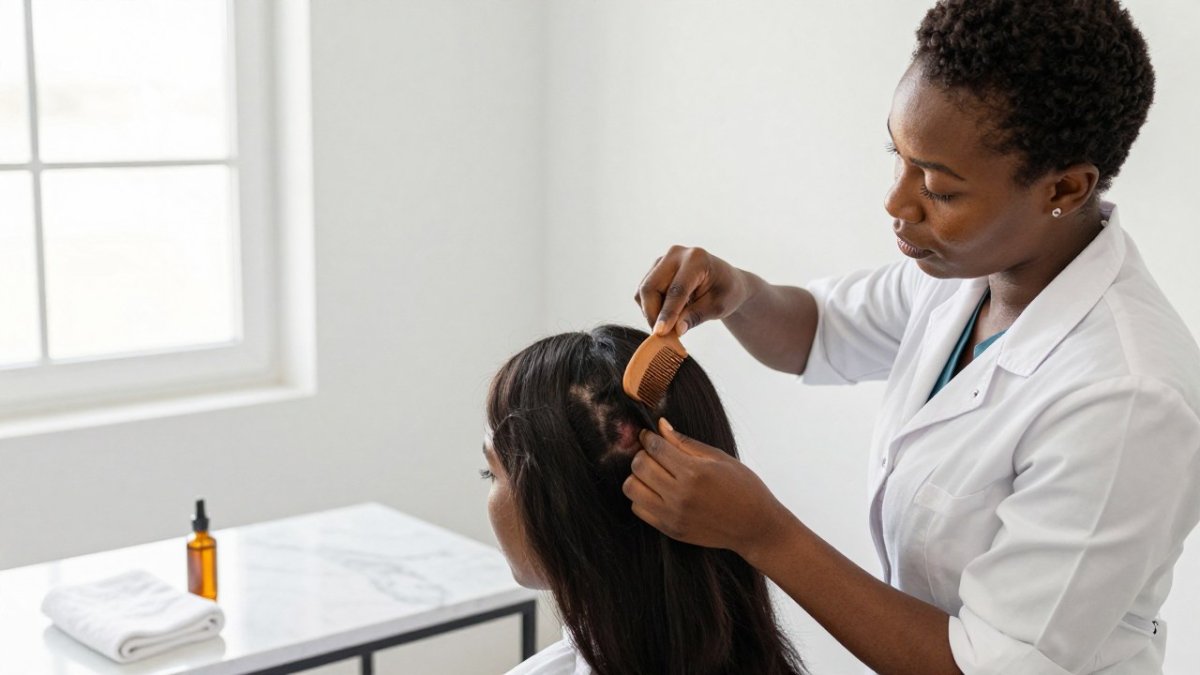
- Detangle from the ends upward using a wide-tooth comb or your fingers, working in small sections.
- Brush gently and avoid pulling wet hair, which is most fragile. If you must detangle wet, load the section with conditioner first.
Watch out: Sleeping on wet hair, especially in a tight bun or ponytail, combines moisture, friction, and tension, a common recipe for breakage at the hairline.
Texture-specific care: curly, coily, fine, and chemically treated hair
Curly and coily hair (types 3 and 4): Shampoo less often, every one to two weeks is common, and co-wash in between if your scalp allows. Detangle only when hair is saturated with conditioner, using a wide-tooth comb or your fingers in sections. Dry with a microfiber towel or cotton T-shirt using a scrunching motion, not a rub. Sleep on a satin or silk pillowcase or in a loose satin bonnet to reduce friction overnight. Avoid brushing dry curly hair, which disrupts the curl pattern and causes frizz and breakage.
Use lightweight conditioners and detangle with a wide-tooth comb rather than a fine-tooth brush. Avoid tight elastics and choose claw clips or silk scrunchies instead.
Long hair: Length adds weight and age, and older ends are more prone to splitting. A trim every eight to twelve weeks removes split ends before they travel up the shaft. Braid or loosely twist long hair before bed to reduce tangling.
Chemically treated hair (relaxers, color, bleach): Wait until shedding has slowed before scheduling chemical services, and tell your stylist about postpartum shedding so they can adjust strength and processing time. Between appointments, prioritize deep conditioning once a week to offset dryness.
Protective styles and tight hairstyles to avoid
Protective styles can help when they are loose. Tight ponytails, braids, buns, and extensions pull on the roots and can cause traction damage, which shows up as thinning at the hairline and temples. Choose styles that let your hair move freely, and give your scalp a break from tension every few days.
Never sleep in a tight style. If you feel pulling, tenderness, or small bumps at the hairline, take the style down, those are early signs of traction injury, and hair loss from prolonged tension can become permanent.
The article's texture guidance is easier to scan side by side:
| Hair type | Shampoo and wash frequency | Key habit |
|---|---|---|
| Curly and coily (types 3 and 4) | Every one to two weeks; co-wash in between | Detangle only when saturated with conditioner |
| Long hair | Trim every eight to twelve weeks | Braid or loosely twist before bed |
| Chemically treated | Wait until shedding slows before services | Deep condition once a week |
Step 3: Protect Sleep, Manage Stress and Pace Your Recovery
Stress and poor sleep can keep your body in a state that makes shedding feel worse. Many new mothers face sleep disruption, and emotional strain can add to the worry about their hair.
Try to protect rest where you can. Short naps, shared night feeds, and asking a partner or family member for help can make a real difference. Gentle movement, such as walking, can also support your mood and circulation.
Hair recovery takes time. Setting small, realistic goals is more useful than expecting quick results.
Step 4: Track Regrowth and Set Realistic Timelines
Take a photo of your part and hairline once a month, in the same light. This makes it easier to see slow changes that are hard to notice day to day.
Note how much hair you find in your brush or shower drain. Many women see a gradual decline over several months. Writing these observations in a simple journal can help you spot trends and bring useful information to your provider.
Hair Regrowth After One Year: What Is Normal and What Needs Evaluation
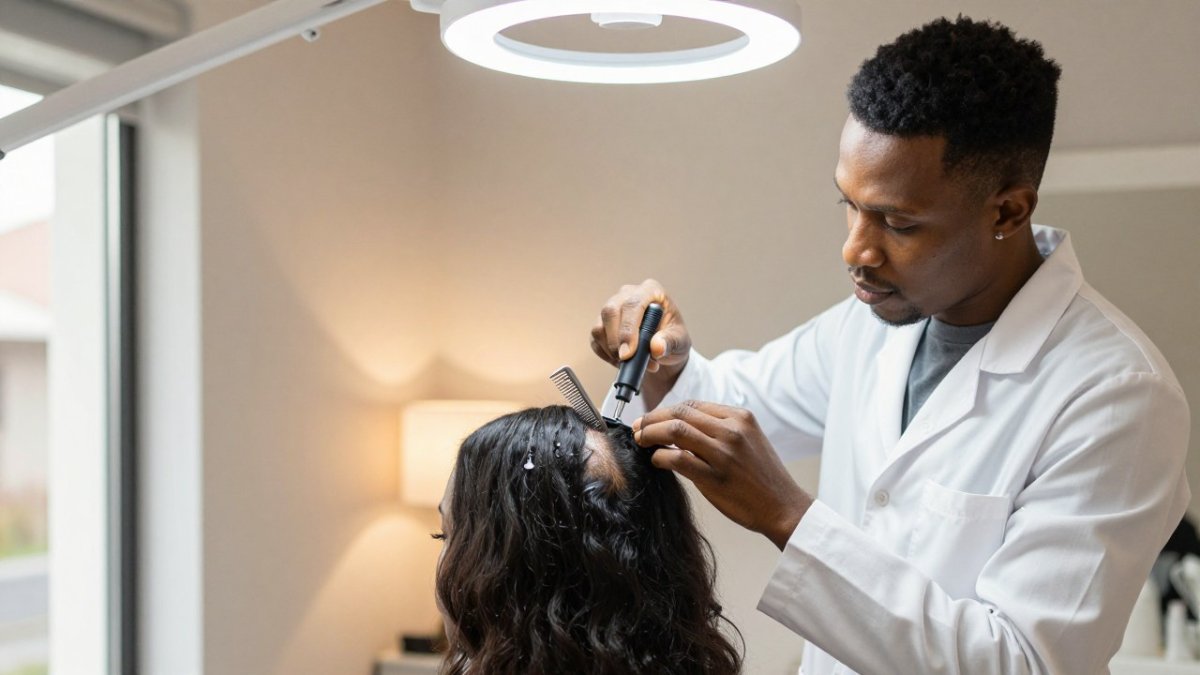
Postpartum shedding often eases over time, though timelines vary. Fine, short new hairs along the hairline are a common sign of regrowth. If your hair has not started to recover after a year, or if you notice patchy loss, scalp redness, or itching, a medical evaluation is worth scheduling. You can learn about a clinical trichology evaluation and what it covers. These signs can point to a range of causes, and a qualified professional can help determine what is involved.
Booking Your Next Step: A Scalp and Hair Consultation
If you want a closer look at your scalp and hair, our team at Sophiatrichoholistic Hair Spa LLC offers consultations focused on holistic, root-cause care for women. To weigh cost and results, see whether holistic hair treatment is worth it. To see what a clinical trichologist offers, read about the benefits of a scalp and hair consultation. Before you book, you can compare providers and check credentials using a short checklist.
Frequently Asked Questions
When does postpartum hair loss usually start and stop?
Many women notice increased shedding roughly two to four months after delivery, because the hormone changes of pregnancy keep more hairs in the growth phase and then release them together afterward. For most women the heavy shedding eases within several months, often by about six to twelve months postpartum. If shedding remains heavy, causes bald patches, or continues well past a year, schedule a medical evaluation to check thyroid function, iron stores and other contributors.
Can vitamins or nutrition help with postpartum hair loss?
A balanced diet with enough protein, iron, zinc, vitamin D and omega-3 fatty acids supports normal hair growth, but no supplement has been proven to reverse postpartum shedding. Taking large doses without a reason can cause problems, and some products are not suitable while breastfeeding. Ask your prenatal or primary care clinician to check your levels before starting any supplement.
Is postpartum hair loss permanent?
In most cases postpartum shedding is temporary, and hair typically regrows as the growth cycle returns to normal. Regrowth can take several months, and new hairs may feel finer at first. Persistent thinning that does not improve after a year, or hair loss accompanied by other symptoms, should be assessed by a qualified professional to identify any underlying condition.
What gentle hair-care habits reduce breakage after delivery?
Wash with a gentle, sulfate-free shampoo and focus on the scalp, use a conditioner on the lengths, and pat hair dry rather than rubbing it with a towel. Detangle from the ends upward with a wide-tooth comb, and avoid tight ponytails, buns and heavy heat styling. Trimming split ends can make hair look fuller, though it does not change how much hair grows from the scalp.