 Ultimate guide
Is Postpartum Hair Loss Permanent? What to Expect
Table of Contents
- Is Postpartum Hair Loss Permanent?
- Why Hair Shedding Happens After Childbirth
- How Long Does Postpartum Hair Loss Last
- Postpartum Hair Loss Treatment Options
- Postpartum Hair Loss Vitamins and Nutrition
- Postpartum Hair Loss and Thyroid Changes
- Managing Expectations and Emotional Impact
- Frequently Asked Questions
Last Updated: October 21, 2026
Is Postpartum Hair Loss Permanent?
No, postpartum hair loss permanent conditions do not occur, the shedding you experience after childbirth is temporary. Most women see their hair density return to normal within 6 to 12 months after delivery, though the timeline varies based on individual factors like stress levels, nutrition, and overall health (the American Academy of Dermatology).
At Sophiatrichoholistic Hair Spa LLC, we understand the concerns of postpartum clients regarding hair loss. The hair does return. What changes is understanding what's happening and supporting your body through recovery rather than fighting it.
The key distinction: postpartum hair loss is not true hair loss in the medical sense. It's shedding, a temporary shift in your hair growth cycle triggered by hormonal changes, which is why it stops and your hair regrows.
Why Hair Shedding Happens After Childbirth
Hair shedding after delivery stems from a dramatic hormonal shift. During pregnancy, elevated estrogen keeps more follicles in the growth phase longer than normal. After delivery, estrogen drops sharply, triggering many follicles to move into the shedding phase at once.
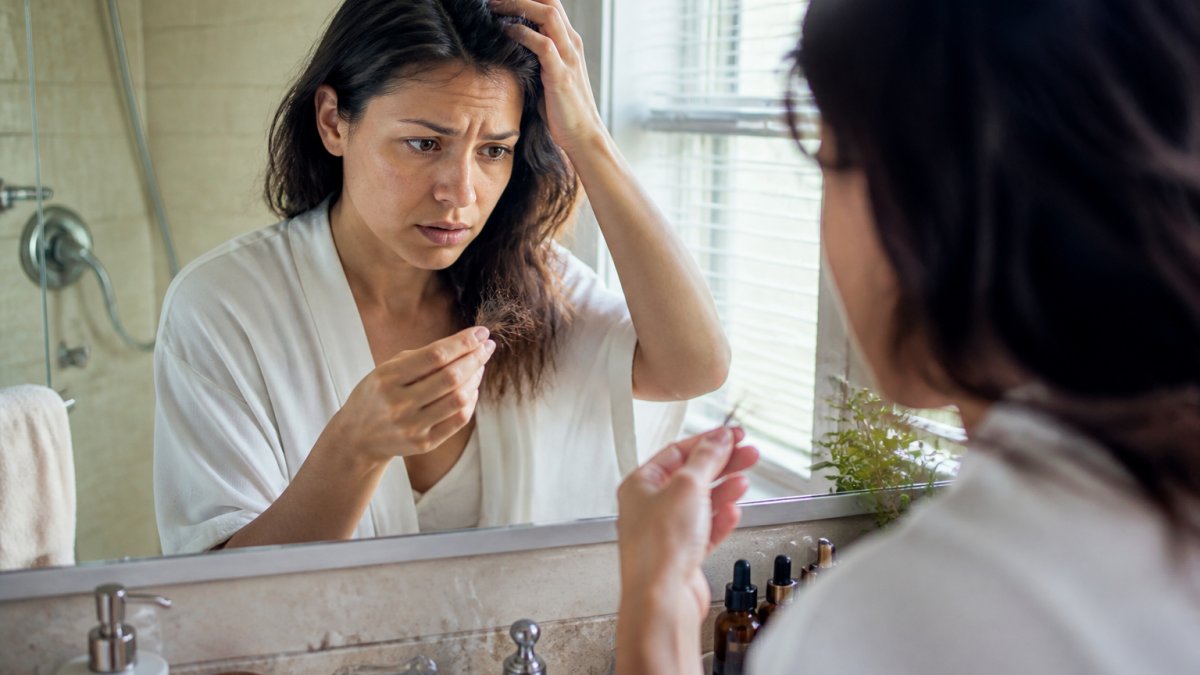
Hormonal changes and falling estrogen levels
The drop in estrogen is the primary driver. Estrogen peaks at delivery and keeps follicles in the active growth phase (anagen). When it plummets after childbirth, especially if you're breastfeeding, which further suppresses estrogen, follicles move into telogen, the resting and shedding phase.
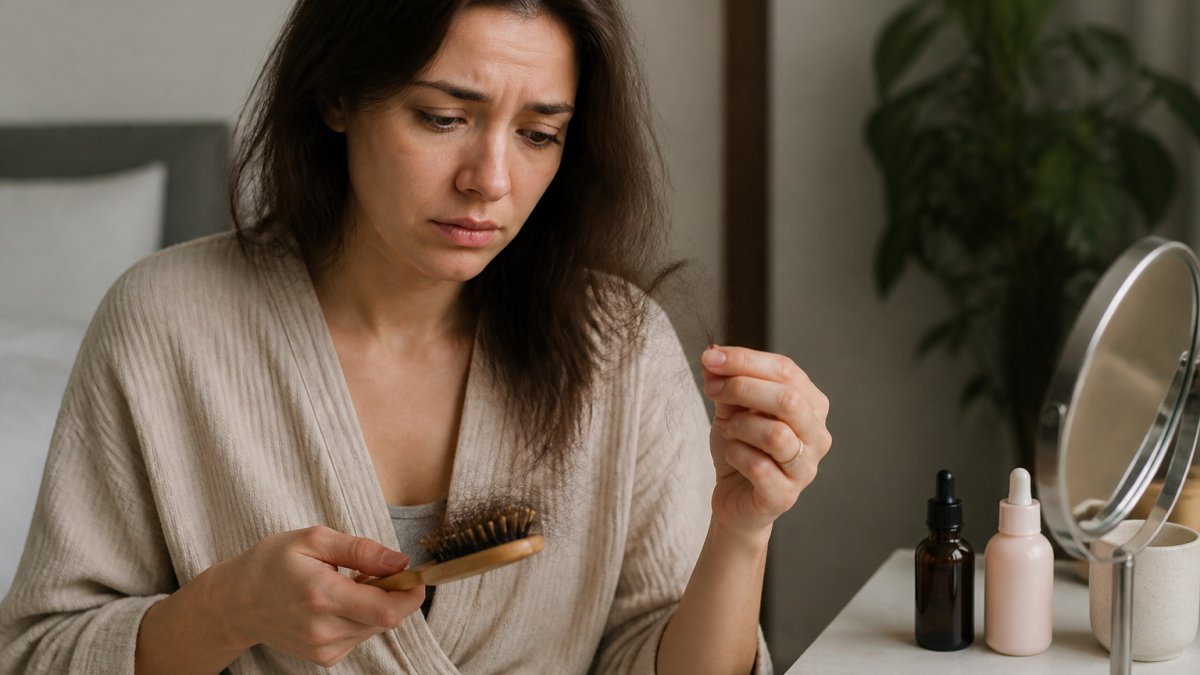
This isn't abnormal. It's your body's expected response to a massive hormonal transition. The shedding feels alarming because it's concentrated and visible, but it reflects a normal biological process, not damage to your hair or scalp.
The hair growth cycle and delayed shedding
The hair growth cycle explains why postpartum shedding feels sudden even though it's not. Hair grows in three phases: anagen (growth, 2-7 years), catagen (transition, 2-3 weeks), and telogen (resting and shedding, 2-4 months).
During pregnancy, elevated hormones keep more follicles in anagen longer. When hormones drop postpartum, those follicles shift into telogen together, but it takes 2-4 months for telogen hairs to actually fall out.
This synchronized, diffuse shedding is called telogen effluvium. It's temporary: once those hairs shed, new hairs grow from the same follicles and your cycle normalizes.
How Long Does Postpartum Hair Loss Last
The short answer: shedding usually starts 2 to 4 months after delivery, peaks around 4 to 6 months, slows by 6 to 9 months, and is largely resolved by 12 months. A minority take up to 18 months, especially if they breastfeed. Here's the month-by-month picture.
Month-by-month recovery timeline
| Timeframe | What is happening | What you may notice |
|---|---|---|
| 0-2 months postpartum | Estrogen has dropped; follicles are shifting into the resting (telogen) phase | Little visible change yet |
| 2-4 months | Telogen hairs begin to release | More hair in the shower, brush, and on pillows |
| 4-6 months | Peak synchronized shedding | Heaviest shedding; 2-3 times normal daily loss is common |
| 6-9 months | Shedding begins to slow | Less daily loss; short new hairs may appear at the hairline |
| 9-12 months | Regrowth becomes visible | Density starts to feel closer to baseline |
| 12-18 months | Most women have recovered | Continued improvement; a small group still notices thinning |
When shedding starts and peaks
Shedding typically begins 2-4 months after delivery and peaks around 4-6 months, when many women notice two to three times their usual daily loss. That sounds alarming, but it reflects hairs held in the growth phase during pregnancy finally cycling out together. Breastfeeding can delay the onset or stretch the shedding phase because estrogen stays lower while you nurse.
When hair regrows and density returns
New growth often appears before shedding fully stops, look for short, tapered hairs along the hairline and part line by 6-9 months. Most women see meaningful improvement by 9-12 months and near-baseline density by 12-18 months. If breastfeeding, expect the later end of that range and another hormonal shift when you wean.
Red flags: when shedding may signal something else
Routine postpartum shedding is diffuse and temporary. Ask a clinician to evaluate if you notice any of the following:
- Shedding that is still heavy at 12-15 months postpartum, or that is getting worse instead of better.
- Patchy, circular bald spots, or loss concentrated at the part line and crown in a patterned way.
- Scalp itching, burning, scaling, or redness.
- Fatigue, weight changes, cold or heat intolerance, or mood changes that could point to thyroid dysfunction.
- Heavy menstrual bleeding, unusual fatigue, or a diet low in iron, which raise the risk of iron deficiency.
- New medications, crash dieting, or significant illness around the time shedding began.
These signs don't mean your hair loss is permanent. They mean the cause may not be routine telogen effluvium alone; a simple lab panel (complete blood count, ferritin, TSH, vitamin D) plus a dermatology referral can clarify next steps.
Expect the heaviest shedding around 4-6 months, visible regrowth by 6-9 months, and near-normal density by 12-18 months. If you are still shedding heavily past 15 months, or the pattern is patchy or patterned rather than diffuse, get evaluated.
Postpartum Hair Loss Treatment Options
Most postpartum shedding needs no treatment. The American Academy of Dermatology and the American College of Obstetricians and Gynecologists both describe it as a normal, self-limited phase of telogen effluvium that resolves as hormones stabilize. Still, a few evidence-based practices can reduce loss during the transition and help you feel in control.
What the evidence actually supports
- Gentle handling. Wet hair stretches and breaks more easily. Use a wide-tooth comb, pat rather than rub with a towel, and skip tight ponytails, braids, and extensions that pull on the scalp. This does not stop telogen shedding, but it prevents avoidable breakage that makes thinning look worse.
- Minoxidil (5% topical). This is the only over-the-counter topical treatment with strong evidence for androgenetic hair loss, and some clinicians prescribe it off-label for persistent or patterned shedding. It is not routinely recommended for routine postpartum telogen effluvium, and it is generally avoided during breastfeeding unless a clinician specifically advises it. Do not start it without medical guidance.
- Prescription options. For confirmed thyroid dysfunction, treating the thyroid is the treatment. For iron deficiency confirmed on labs, iron repletion is the treatment. For patterned hair loss, a dermatologist may discuss prescription therapies. None of these should be self-started postpartum.
- Light and laser devices. Low-level laser therapy has modest evidence for some forms of hair loss, but it is not a first-line answer for routine postpartum shedding and results vary.
Supplements: what to know before you buy
The supplement aisle is crowded, and most products marketed for postpartum hair are not required to prove efficacy. A few principles keep you from wasting money:
- Test before you treat. Iron, ferritin, vitamin D, and thyroid function can be checked with a simple lab panel. Taking iron when you are not deficient does not help hair and can cause constipation and other side effects.
- Prenatal vitamins are not a hair treatment. Continuing a prenatal vitamin postpartum is common and reasonable for general nutrition, but it is not a proven shedding remedy.
- Biotin has limited evidence for hair growth in people who are not deficient, and high doses can interfere with certain lab tests, including thyroid tests. Tell your clinician if you take it.
- Protein and overall diet matter more than any single pill. Hair is protein, and severe calorie restriction or low protein intake can prolong shedding.
Check with your obstetrician, dermatologist, or a lactation consultant before starting any supplement, topical, or prescription while breastfeeding. Many products are not well studied in nursing, and the safest path is individualized advice.
Start Your Hair & Scalp Healing Journey →
Breastfeeding and treatment choices
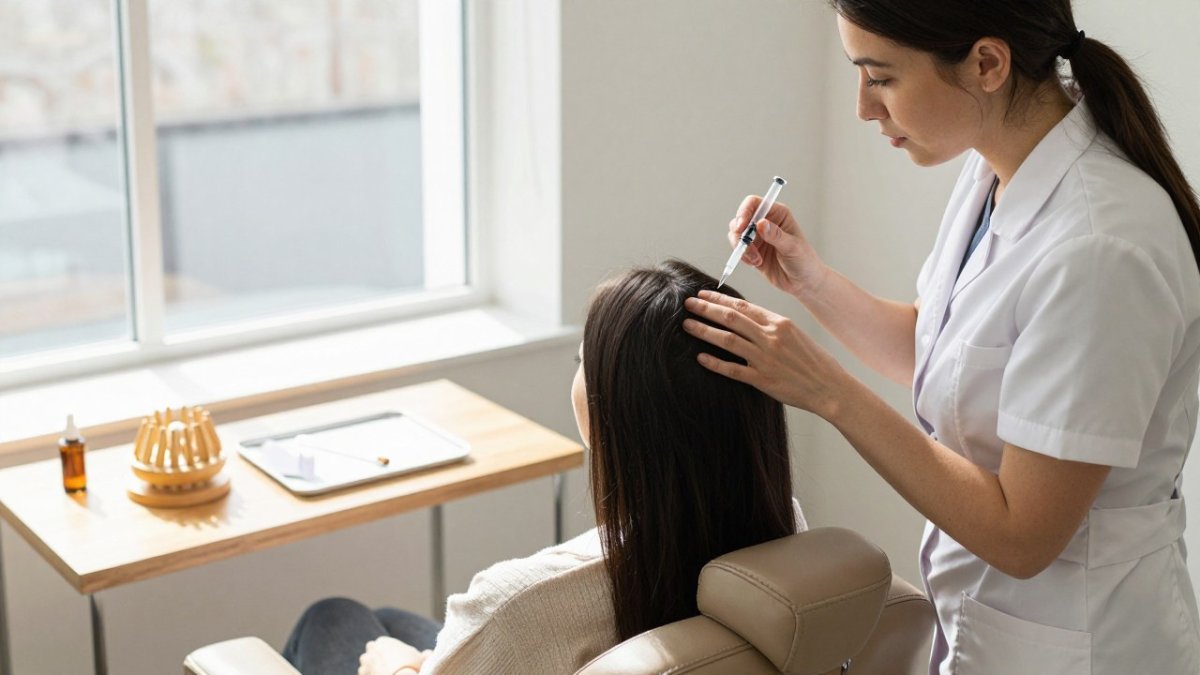
Breastfeeding keeps estrogen lower for longer, which can delay the start of shedding or stretch the timeline. It does not make the shedding permanent. If you're nursing and considering treatment, ask whether the product is breastfeeding-compatible and whether you actually need it, routine postpartum shedding usually doesn't. For persistent or patterned loss, request a dermatology referral rather than guessing.
A practical, low-risk plan
- Get baseline labs if shedding is heavy or prolonged: complete blood count, ferritin, TSH, and vitamin D.
- Switch to gentle hair care and loose styles for the next several months.
- Eat regular protein-containing meals and stay hydrated.
- Reassess at 12 months postpartum. If shedding is not slowing, escalate to a clinician.
Postpartum Hair Loss Vitamins and Nutrition
Nutrition directly influences how quickly your hair regrows. Postpartum recovery depletes nutrient stores, and breastfeeding increases demands further.
Iron is critical: postpartum blood loss and breastfeeding demands can cause deficiency, which impairs hair growth, and many women are low without realizing it.
B vitamins, particularly B12 and folate, support the cellular processes behind hair growth.
Rather than taking random supplements, a targeted nutritional assessment identifies what your body actually needs, avoiding wasted money and addressing real deficiencies that slow recovery.
Postpartum Hair Loss and Thyroid Changes
Thyroid dysfunction is one of the most overlooked causes of prolonged postpartum shedding. Postpartum thyroiditis, inflammation of the thyroid gland, occurs in 5-10% of postpartum women and can trigger or extend hair shedding.
When shedding may signal another condition
If shedding stays elevated beyond 12-15 months postpartum, or worsens rather than improves, thyroid evaluation is warranted. Additional signs include fatigue, weight changes, mood changes, or temperature sensitivity.
Thyroid hormone regulates metabolic rate and the hair growth cycle.
If you suspect thyroid involvement, request testing for TSH, free T3, free T4, and thyroid antibodies (TPO and thyroglobulin). If dysfunction is present, treating it addresses the underlying cause rather than just symptoms.
Managing Expectations and Emotional Impact
The emotional toll of postpartum shedding is often underestimated.
Reframing shedding as a normal, time-limited process rather than a crisis helps. Your hair will return; new growth is already beginning even while you shed.
Practical steps: take monthly photos to track improvement you'd miss day-to-day, connect with other postpartum women experiencing the same thing, and invest in scalp and hair care rituals that feel nourishing rather than stressful.
Postpartum hair loss is temporary, but the recovery process benefits from intentional support. We identify the root causes slowing your recovery, whether hormonal imbalance, nutritional deficiency, or scalp microbiome disruption, and create a targeted plan to restore your hair density and scalp health.
Frequently Asked Questions
Is postpartum hair loss permanent?
No. Postpartum hair loss is temporary in the vast majority of cases. The shedding occurs because estrogen levels drop sharply after delivery, pushing hair follicles from the growth phase into the shedding phase. Hair regrowth typically returns to normal within 6 to 12 months after delivery as hormones stabilize. If shedding persists beyond 12 months or worsens, consult a healthcare professional to rule out thyroid dysfunction or other underlying conditions.
How long does postpartum hair loss last?
Postpartum shedding usually begins 2 to 3 months after delivery and peaks around 4 to 5 months. Most women experience the heaviest shedding for 3 to 6 months, with gradual improvement continuing through month 12. Hair density typically returns to pre-pregnancy levels between 6 and 12 months postpartum. Individual timelines vary based on hormonal recovery, nutrition, stress levels, and overall health.
Can postpartum hair loss be a sign of a thyroid problem?
Persistent or excessive hair loss after 12 months postpartum may indicate thyroid dysfunction, particularly postpartum thyroiditis, which affects approximately 5-10% of women after delivery. Thyroid changes can prolong shedding beyond the typical recovery window. If your hair loss continues beyond one year, worsens unexpectedly, or you experience fatigue, temperature sensitivity, or weight changes, ask your healthcare provider for thyroid screening to rule out underlying conditions.
What helps postpartum hair loss grow back?
Support regrowth through gentle hair care, adequate nutrition, and stress management. Ensure sufficient protein, iron, zinc, and B vitamins, as deficiencies can prolong shedding. Minimize heat styling and tight hairstyles to reduce breakage. A holistic approach addressing scalp health, hormonal balance, and internal wellness through acupuncture and clinical trichology can activate hair growth from the root and restore scalp microbiome health during recovery.