 How-to
How to Use Pumpkin Seed Oil for Hair Growth
Last Updated: October 24, 2026
Quick Summary
How to use pumpkin seed oil for hair growth involves applying it consistently to a clean, damp scalp using gentle massage technique, leaving it on for 20-30 minutes, then washing it out with shampoo. Use it 1-2 times weekly as part of a structured routine to maximize absorption and scalp contact without causing buildup.
- Apply about 1 teaspoon of warm pumpkin seed oil per scalp section using slow circular massage motions for 2-3 minutes per section.
- Leave the oil on for 20-30 minutes for standard treatment, or 60-90 minutes for deeper treatment, but no benefit appears beyond 2 hours.
- Use pumpkin seed oil 1-2 times per week, not daily, to avoid folliculitis and buildup that can irritate the scalp.
- Patch test on your inner forearm or behind the ear for 24-48 hours before applying to your scalp if you have sensitive skin or seed oil allergies.
- Combine topical oil application with stress management, nutrient-dense foods, adequate hydration, and 7-9 hours of sleep for best results.
Table of Contents
- Understanding Pumpkin Seed Oil and Hair Growth
- How to Apply Pumpkin Seed Oil to Your Scalp
- How Long to Leave Pumpkin Seed Oil on Your Scalp
- Creating a Pumpkin Seed Oil Hair Mask for Deep Treatment
- Pumpkin Seed Oil Side Effects for Hair and Safety Considerations
- Topical Application Versus Oral Supplements
- Building Your Sustainable Pumpkin Seed Oil Hair Care Routine
- Schedule Your Personalized Hair Growth Consultation
- Frequently Asked Questions
Understanding Pumpkin Seed Oil and Hair Growth
How to use pumpkin seed oil for hair growth involves applying it consistently as part of a structured routine, combining topical application with proper massage technique and timing to maximize absorption and scalp contact.
Treat pumpkin seed oil as a supportive tool, not a miracle cure.
What sets it apart is its phytosterols and omega-3 fatty acids, which some research suggests may reduce scalp inflammation.
How to Apply Pumpkin Seed Oil to Your Scalp
Preparing Your Hair and Scalp
Start with clean, damp hair. Wash and rinse thoroughly, then towel-dry until slightly damp, not dripping wet, damp hair lets the oil penetrate without a greasy barrier.
Section your hair into 4-6 manageable parts using clips so you reach all areas of the scalp evenly.
Warm the oil by placing the bottle in warm (not hot) water for 2-3 minutes, warm oil absorbs better. Test the temperature on your inner wrist first.
Application Technique and Massage
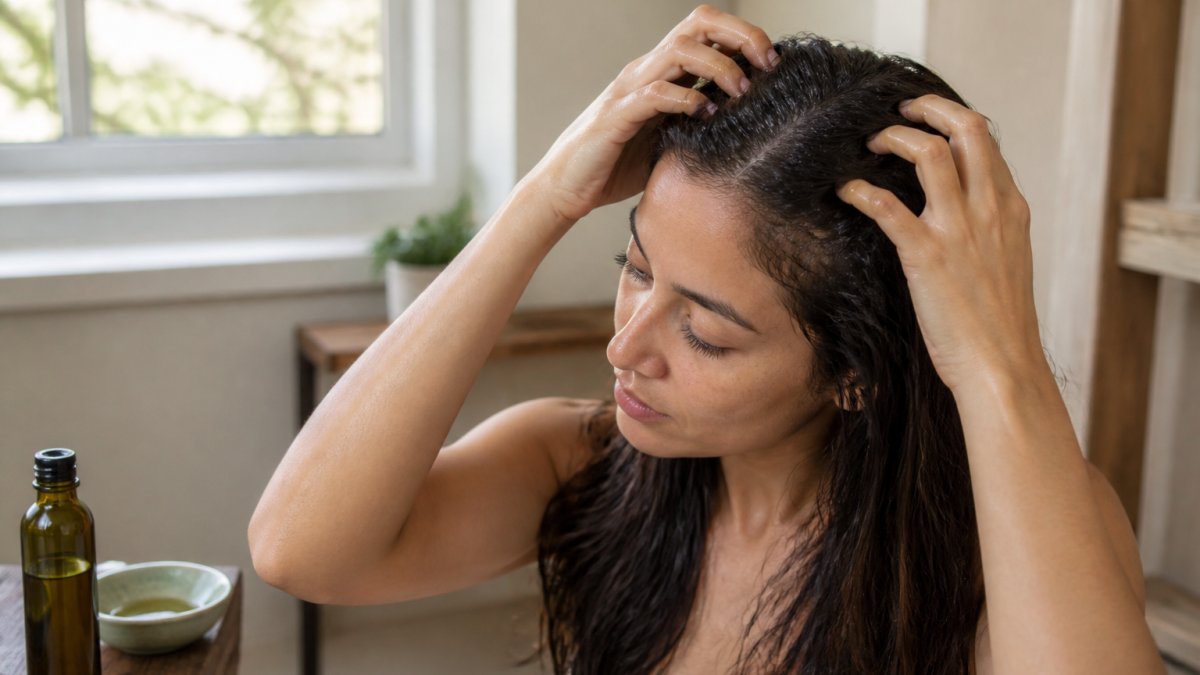
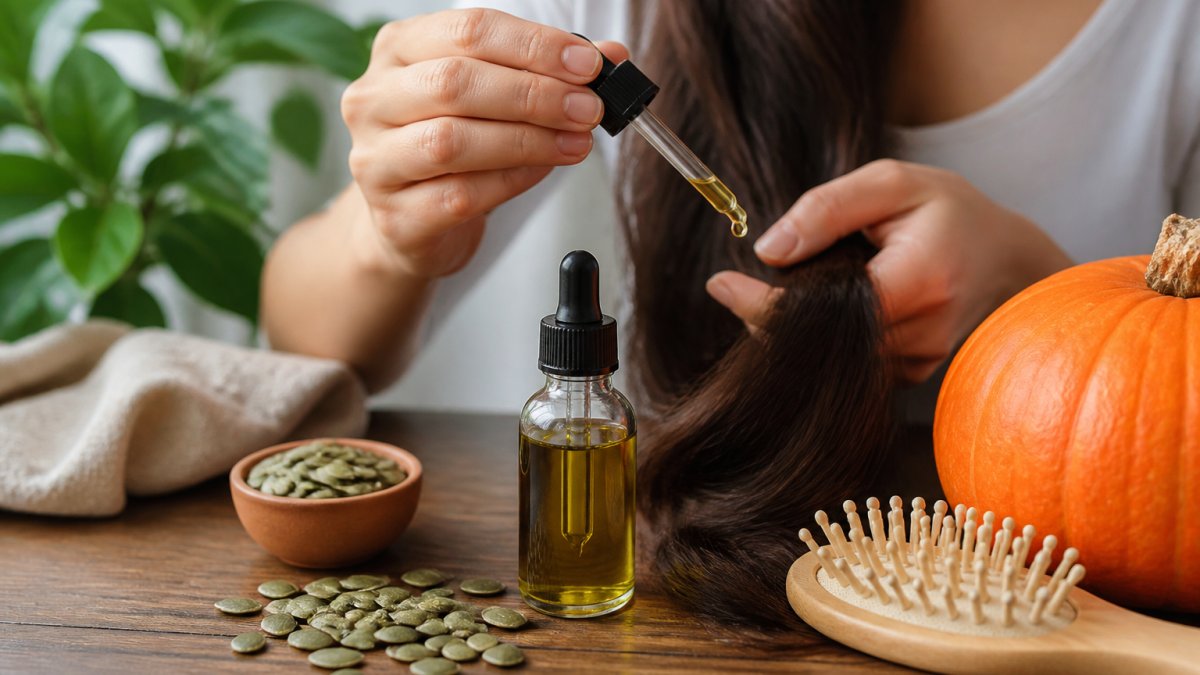
Pour about 1 teaspoon per section directly onto the scalp, not the hair lengths.
Apply gentle pressure to stimulate blood flow and distribute the oil evenly. Spend 2-3 minutes per section, deliberate, not aggressive.
Once the scalp is covered, use a wide-tooth comb to distribute excess oil through the lengths if desired.
How Long to Leave Pumpkin Seed Oil on Your Scalp
Leave the oil on for 20-30 minutes for a standard treatment. New to oil treatments? Start at 20 minutes and increase gradually.
For a deeper treatment, leave it on 60-90 minutes or overnight (protect your pillowcase with a towel).
Wash out with your regular shampoo, you may need to shampoo twice if you used a generous amount.
Creating a Pumpkin Seed Oil Hair Mask for Deep Treatment
Mask Recipes and Ingredient Combinations
A simple mask: mix 3 tablespoons of pumpkin seed oil with 1 tablespoon of raw honey.
For added nourishment, combine 2 tablespoons of pumpkin seed oil with 1 tablespoon of coconut oil and 1 tablespoon of aloe vera gel.
For a scalp-focused mask, mix 3 tablespoons of pumpkin seed oil with 2-3 drops of rosemary essential oil (never apply essential oils undiluted).
Application and Timing for Masks
Apply the mask using the same sectioning technique, massaging gently for 2-3 minutes. Leave on 30-45 minutes, or up to 2 hours for a deeper treatment.
Cover hair with a shower cap to retain heat and keep the mask from drying out, warmth helps ingredients penetrate.
Wash out thoroughly with shampoo. Masks with honey or coconut oil may need multiple shampoos, rinse until the water runs clear.
Use a mask 1-2 times per week, not daily, daily application can overload the scalp and create buildup. Consistency beats frequency.
Pumpkin Seed Oil Side Effects for Hair and Safety Considerations
Pumpkin seed oil is generally well tolerated, but the risk profile depends on whether you apply it topically or swallow it, plus your allergy and medication history.
How to patch test properly
A patch test is only useful if you do it correctly:
- Choose the right spot. Apply a dime-sized amount to the inner forearm or behind the ear, not the scalp, where reactions are harder to see.
- Use the actual product. Test the exact bottle and blend you plan to use, including any essential oils you have mixed in.
- Leave it uncovered for 24 hours. Do not wash the area. Check at 24 and again at 48 hours.
- Watch for redness, swelling, itching, burning, or small bumps. A faint tinge of warmth that fades is common; a raised, itchy patch is not.
- If you react, stop. Contact dermatitis tends to get worse with repeated exposure, not better.
If you have eczema, rosacea, seborrheic dermatitis, or a history of reactions to seed oils or nuts, patch test twice before applying to your scalp.
Topical risks on the scalp
The most common topical problems are not allergic, they are mechanical and microbial:
- Buildup and folliculitis. Oil left on too long or applied too often can clog follicles and trigger itchy pustules along the hairline and crown. If you see scalp pimples, cut back to once weekly and shorten the leave-on time.
- Seborrheic dermatitis flare. Added oil can feed the yeast involved in seborrheic dermatitis. If flaking worsens after two or three applications, stop.
- Eye exposure. Oil from fingers or pillowcases can irritate eyes. Rinse with cool water and wash hands after application.
Oral supplement risks and interactions
This part matters most and gets covered least:
Start Your Hair & Scalp Healing Journey →
- Anticoagulants and antiplatelet drugs. Pumpkin seed products contain vitamin K and have been linked in case reports to bleeding risk changes. If you take anticoagulants or antiplatelet drugs, ask your prescriber first (the FDA).
- Surgery and dental procedures. Stop oral pumpkin seed oil before scheduled surgery unless your surgeon says otherwise.
- GI upset. Nausea, loose stools, and reflux are most commonly reported. Taking the capsule with a meal usually resolves it.
Is increased shedding normal?
Some people report a temporary increase in shedding in the first two to four weeks of any new scalp treatment, often called a "purge" and usually mild. But shedding has many causes, not all benign. See a clinician if:
- Shedding continues or gets worse.
- You are losing hair in smooth, round patches (suggesting alopecia areata).
- You notice scalp pain, tenderness, or burning alongside the shedding.
When to see a professional instead of self-treating
Pumpkin seed oil is a reasonable adjunct for mild scalp discomfort or general hair care, but not the first step if you have:
- Patterned hair loss, a widening part, receding hairline, or thinning at the crown. These have established treatments (topical minoxidil, and for some people prescription oral medications) with far stronger evidence.
- Sudden or patchy loss, this needs evaluation, not oil.
- Signs of a scalp infection, pus, spreading redness, fever, or tender swollen areas.
A dermatologist or trichologist can distinguish androgenetic alopecia, telogen effluvium, alopecia areata, and scarring alopecias, similar-looking conditions with very different prognoses. Getting the diagnosis right beats any single oil.
Storage and spoilage
Pumpkin seed oil is high in polyunsaturated fat and goes rancid faster than olive or coconut oil. Store it in a dark glass bottle in a cool cupboard away from heat and sunlight, and refrigerate after opening if you use it slowly. A properly stored bottle lasts 6-12 months; discard it if it smells sharp or paint-like, or the color darkens.
Topical Application Versus Oral Supplements
These two routes are often discussed as interchangeable. They are not, they differ in evidence, use, cost, and risks. Treat them as separate decisions.
What the evidence actually supports
Most human clinical data on pumpkin seed oil for hair involves oral supplementation in men with androgenetic alopecia (pattern hair loss). The best-known trial randomized men to capsules or placebo for 24 weeks and reported a modest average increase in hair count, roughly a 40% mean increase over baseline, with wide individual variation (pubmed.ncbi.nlm.nih.gov).
Topical pumpkin seed oil has far less direct human evidence. Claims rest on its fatty acid and phytosterol content (which may support the scalp barrier), anti-inflammatory activity in lab and animal models, and anecdotal reports of improved scalp comfort and less flaking.
Side-by-side comparison
| Factor | Topical pumpkin seed oil | Oral pumpkin seed oil |
|---|---|---|
| Strongest evidence | Mechanistic, animal, anecdotal | One small randomized trial in pattern hair loss |
| Typical use | 1-2 times weekly, 20-30 minutes before washing | Daily capsule with a meal, per label |
| Onset of noticeable change | Scalp comfort in 2-4 weeks; hair changes unclear | 12-24 weeks in the trial setting |
| Main risks | Contact irritation, folliculitis from buildup, eye exposure | GI upset, calorie load, interactions with anticoagulants |
| Convenience | Time-intensive; requires wash-out | High, one capsule daily |
| Cost pattern | One bottle lasts months; low per-use cost | Ongoing monthly cost; varies widely by brand |
| Best fit | Sensitive or reactive scalps; people who prefer no pills | People already taking supplements who want the best-studied route |
Practical guidance for each route
If you choose topical: apply to a clean, dry or barely damp scalp, keep it off the lengths if your hair is fine, and wash it out within 30 minutes to limit buildup and folliculitis risk.
If you choose oral: follow the label dose rather than stacking products, take it with food to reduce stomach upset, and check the supplement facts panel for added oils or fillers if watching calories.
Can you use both?
Combining them is reasonable, but you are pairing a low-risk topical habit with a supplement that has modest trial support and a real (if uncommon) interaction profile. Change one variable at a time, give the combination at least 12 weeks, and stop the oral route first if you notice unusual bruising or bleeding.
What neither route replaces
For patterned thinning, a widening part, or visible scalp at the crown, there are established treatments. Pumpkin seed oil, topical or oral, is an adjunct to those conversations, not a substitute.
Building Your Sustainable Pumpkin Seed Oil Hair Care Routine
Start with a realistic commitment: apply pumpkin seed oil 1-2 times per week, not daily. Weekly application supports scalp health without becoming burdensome or causing buildup.
Choose a consistent day and time, every Thursday evening, say, or Sunday morning.
Track your scalp and hair over time: note reduced flaking, itching, or inflammation, and whether hair feels stronger or you're shedding less.
Combine pumpkin seed oil with other supportive practices:
- Manage stress through meditation, yoga, or other calming activities
- Eat nutrient-dense foods rich in zinc, iron, and B vitamins
- Stay hydrated by drinking adequate water daily
How to use pumpkin seed oil for hair growth works best as part of a holistic approach.
If nothing changes after consistent use, other factors may be at play, hormonal imbalances, nutritional deficiencies, or underlying scalp conditions may need professional assessment.
Schedule Your Personalized Hair Growth Consultation
Pumpkin seed oil is a valuable tool for scalp health, but every hair loss story is different, what works for one person may not address another's root cause. Learn about our scalp health consultation guide to see how we personalize recommendations to your condition and goals.
If you're dealing with chronic scalp inflammation, postpartum hair loss, or pattern baldness, explore broader scalp care practices that complement natural oils.
For those considering multiple natural solutions, discover other thinning hair treatments that have shown promise for hair regeneration.
If you want to verify the safety and efficacy of pumpkin seed oil within a comprehensive treatment plan, review evidence-based holistic approaches that integrate natural remedies with clinical assessment.
Frequently Asked Questions
How long does it take to see results from pumpkin seed oil for hair growth?
Results from pumpkin seed oil typically appear after consistent use, though some users report initial improvements in scalp health and reduced shedding sooner. Hair growth cycles are gradual, and sustainable results require ongoing treatment. Individual results vary based on the underlying cause of hair loss, overall scalp health, and whether you combine topical application with oral supplementation.
Should you dilute pumpkin seed oil before applying it to your scalp?
Diluting pumpkin seed oil with a carrier oil is recommended, especially if you have a sensitive scalp. A 1:1 or 1:2 ratio of pumpkin seed oil to carrier oil reduces the risk of irritation. Undiluted oil can feel heavy and may not absorb evenly across the scalp.
Can you leave pumpkin seed oil in your hair overnight?
Yes, you can leave pumpkin seed oil in your hair overnight as a treatment, but it works best when diluted with a carrier oil to reduce greasiness. Overnight treatments allow deeper moisturizing and nourishment. Protect your pillow with a towel or wear a shower cap to prevent oil transfer. Wash thoroughly with shampoo the following morning.
What are the scientifically proven benefits of pumpkin seed oil for hair?
Pumpkin seed oil contains phytosterols, zinc, and omega-3 fatty acids that support scalp health and hair follicle function. Individual results depend on the type and severity of hair loss.
Hair loss doesn't have to be permanent, and scalp conditions don't have to define your confidence. Pumpkin seed oil offers a natural, accessible starting point for those ready to support their hair health from home. The key is consistency, realistic expectations, and willingness to address the deeper factors driving your hair loss. Whether you begin with topical oil, oral supplements, or both, you're taking an active role in your healing. That commitment matters.