 How-to
How to Support Hair Regrowth Naturally With TCM
Last Updated: October 31, 2026
Quick Summary
Natural hair regrowth support with TCM starts with identifying your pattern rather than a single remedy. Practitioners look at blood, qi and scalp balance, then combine guided herbs, a warm TCM diet and a consistent scalp and lifestyle routine.
- Record when shedding started, recent stressors, scalp symptoms and any diagnosed conditions before starting.
- Never stop prescribed medication on your own; share your full list with your doctor first.
- Choose herbal formulas with a licensed practitioner, since herbs can interact with medications.
- Favour warm, cooked foods such as congee, black sesame seeds, walnuts and bone broth.
- Massage your scalp for two to three minutes daily and aim for seven to eight hours of sleep.
Table of Contents
- Blood, Qi and Scalp Balance in TCM Theory
- Step 1: Check Your Starting Point Before You Begin
- Step 2: Use Chinese Herbs for Hair Growth With Professional Guidance
- Step 3: Understand How Acupuncture for Hair Loss Is Used
- Step 4: Follow a TCM Diet for Hair Growth
- Step 5: Build a Scalp and Lifestyle Routine
- Booking Your First Consultation for Natural Hair Regrowth
- Frequently Asked Questions
Thinning hair can feel like losing a part of yourself. At Sophiatrichoholistic Hair Spa LLC, we work with women who have tried shampoos, supplements and prescriptions without lasting change, and many ask the same question: is there a natural way to support hair regrowth with TCM? A natural approach to hair regrowth is usually most useful when it starts with the root cause rather than the symptom. For a deeper walk-through, see the step-by-step TCM guide. This guide walks through five practical steps, from checking your starting point to building a daily scalp routine.
Traditional Chinese Medicine (TCM) is a whole-body system that links hair condition to internal balance. Practitioners look for patterns across blood, energy and fluids rather than a single cause.
Blood, Qi and Scalp Balance in TCM Theory
In TCM, hair is considered a sign of how well blood is nourishing the body. When blood is thin or weak, hair may grow slowly, feel dry or shed more than usual. Qi, the body's energy, helps move blood to the scalp, so a practitioner may look at digestion, sleep and stress as well.
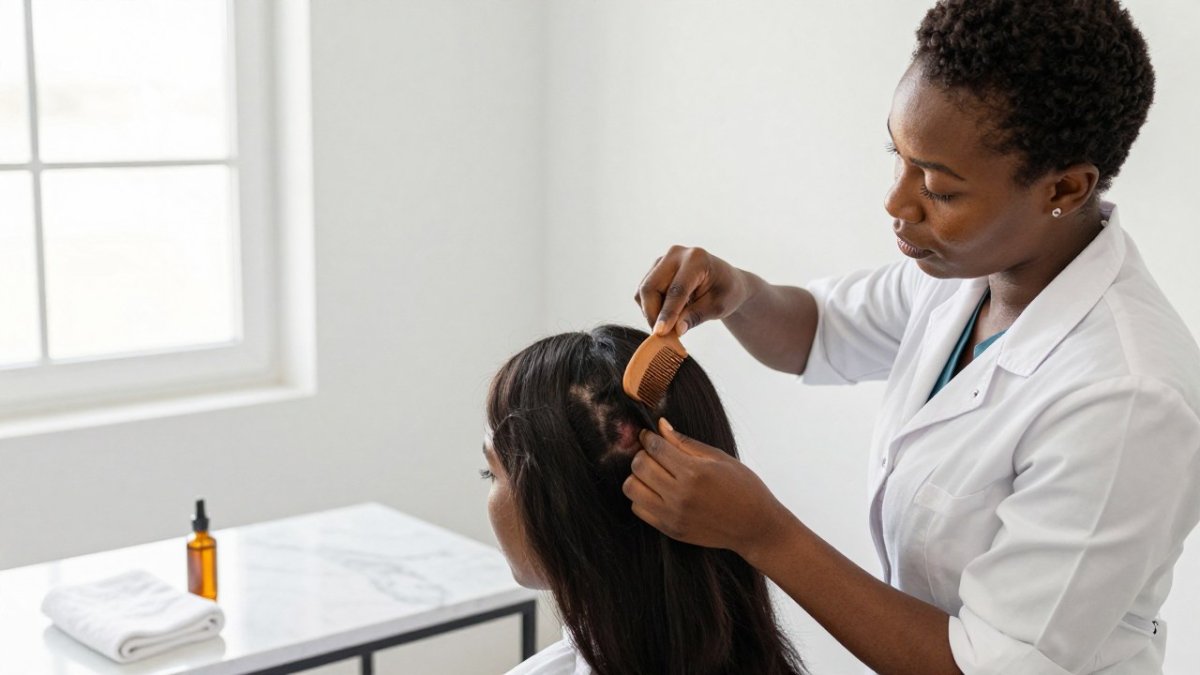
The scalp itself is also treated as part of the internal system. Excess heat, dampness or oiliness are common patterns that practitioners look for when a scalp feels inflamed or greasy.
Step 1: Check Your Starting Point Before You Begin
Before trying any natural approach, take a clear look at your current situation.
- Note when the shedding or thinning started
- List any recent births, illnesses, medications or major stress
- Record your scalp symptoms, such as itching, flaking or redness
- Mention any diagnosed conditions, like psoriasis or alopecia
Watch out: Do not stop prescribed medication on your own. Share your full list with your doctor before adding any new treatment.
Step 2: Use Chinese Herbs for Hair Growth With Professional Guidance
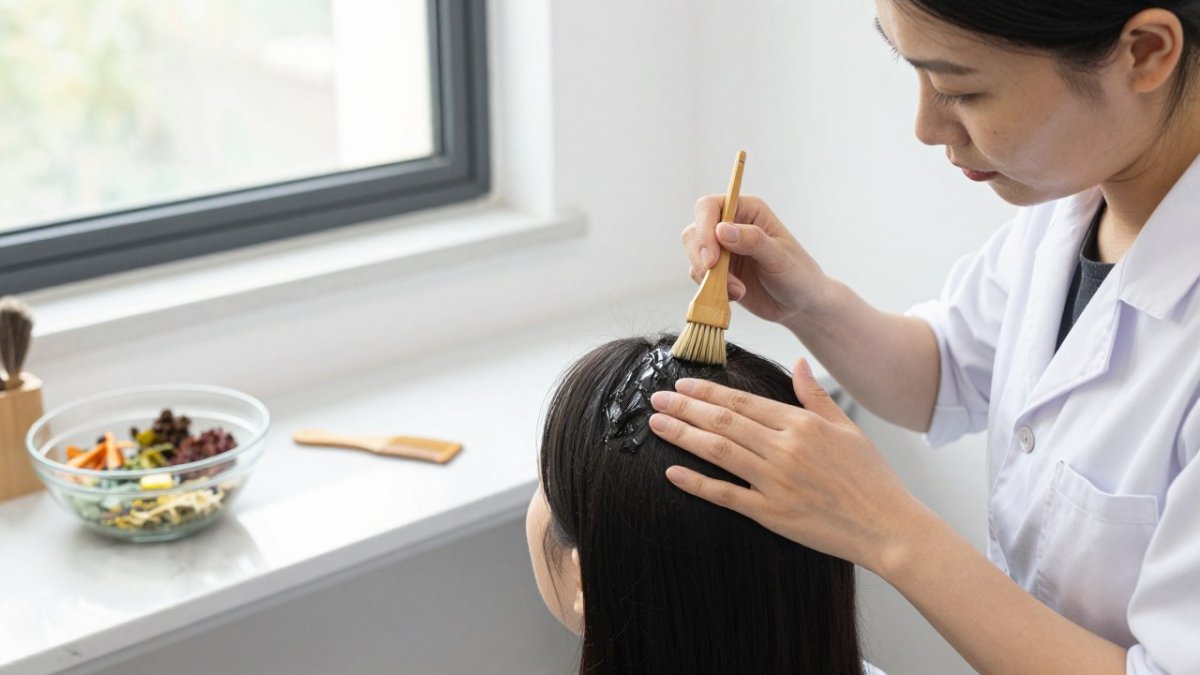
Herbal formulas are chosen based on your pattern, not on a single popular ingredient. Because herbs can interact with medications and affect each person differently, work with a licensed practitioner who can review your history before you start. Keep a written log of what you take and any changes you notice.
Start Your Hair & Scalp Healing Journey →
Step 3: Understand How Acupuncture for Hair Loss Is Used
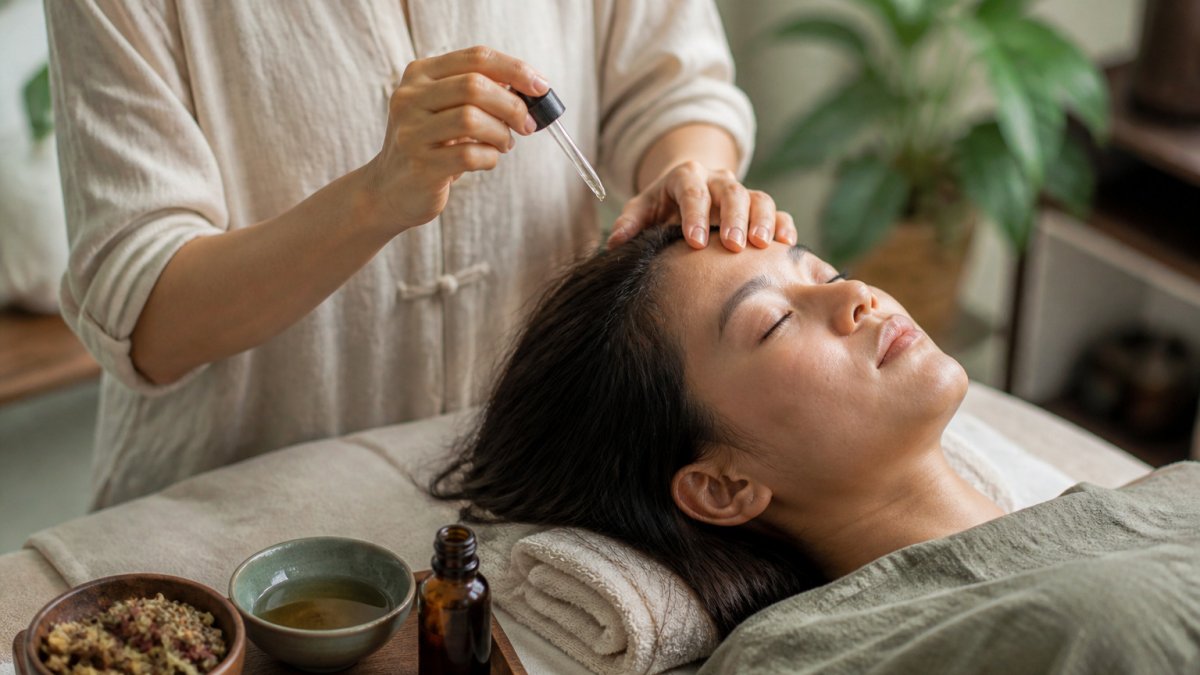
Acupuncture is sometimes used alongside other care, and some people explore it for relaxation and stress. Our how-to guide on scalp acupuncture explains how the technique is applied. Results vary, and research on acupuncture for hair loss is still limited, so treat it as one part of a broader plan rather than a guaranteed fix. Read what the treatment feels like before deciding.
Step 4: Follow a TCM Diet for Hair Growth
A TCM diet focuses on warm, cooked foods that support digestion. Common choices include:
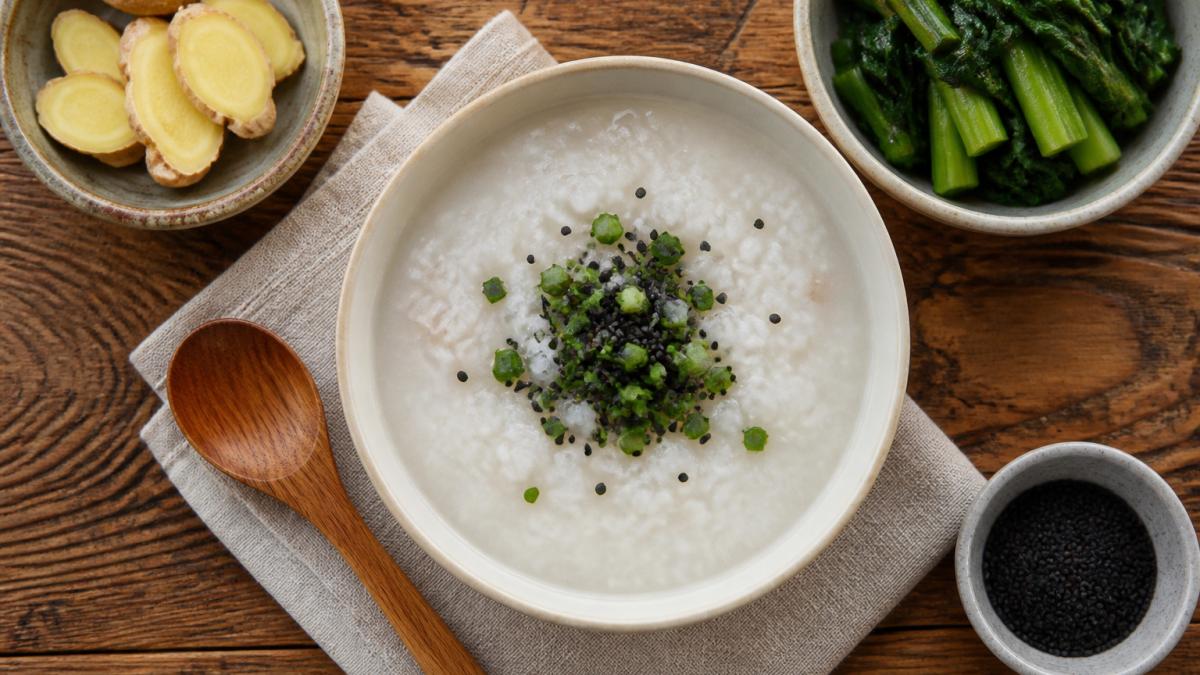
- Congee made with rice, ginger and leafy greens
- Black sesame seeds and walnuts for healthy fats
- Bone broth and lean protein
- Less cold, raw and heavily fried food
The article lists common foods in a TCM diet for hair growth, which are summarised below.
| Food | Example | Role in diet |
|---|---|---|
| Congee | Rice, ginger and leafy greens | Warm, cooked, supports digestion |
| Seeds and nuts | Black sesame seeds and walnuts | Healthy fats |
| Broth and protein | Bone broth and lean protein | Nourishing base |
| Foods to limit | Cold, raw and heavily fried food | Reduce intake |
Step 5: Build a Scalp and Lifestyle Routine
Consistency matters more than intensity. Try these habits:
- Gently massage your scalp for two to three minutes a day
- Use a mild, fragrance-free shampoo suited to your scalp type
- Sleep seven to eight hours when possible
- Manage stress with breathing exercises or short walks
Booking Your First Consultation for Natural Hair Regrowth
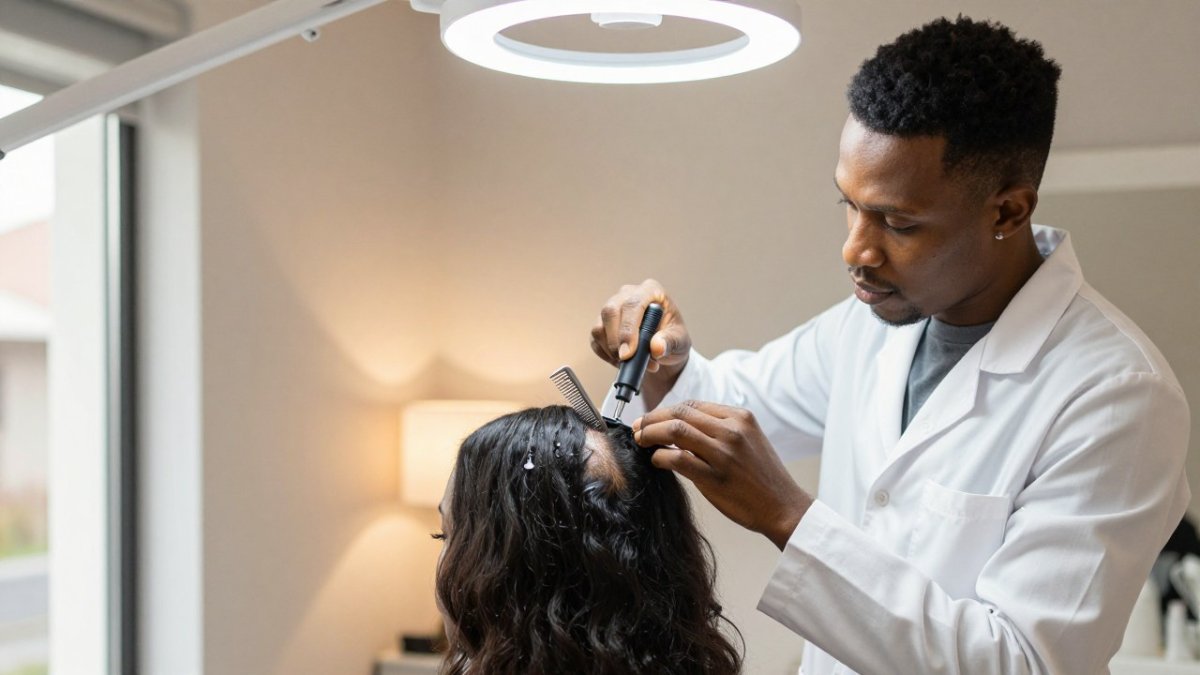
A first visit usually covers your health history, scalp condition and goals. A consultation with a qualified professional can help you decide which parts of this plan suit your situation. To locate one, use our guide to finding a clinical trichologist near you. Bring your medication list, any recent lab results and photos of your hair from the past year, if you have them. Ask what progress to expect and how often follow-up visits are needed. Pricing and scheduling details are available on our website or by contacting us directly.
Frequently Asked Questions
Can Traditional Chinese Medicine help with hair loss?
Traditional Chinese Medicine approaches hair loss by looking at the whole body, including blood nourishment, circulation and hormonal balance, rather than only the scalp. Some people use herbs, acupuncture and dietary changes alongside care from their physician. Research on TCM for hair loss is limited, so results vary and should be treated as supportive rather than guaranteed. A qualified practitioner can explain what approach may suit your situation and whether it fits with any treatment you already receive.
Are Chinese herbs safe to take for hair loss?
Chinese herbs are not automatically safe because they are natural. Some herbs can interact with prescription medications, affect blood pressure or cause side effects, and quality varies between products. Tell your doctor and your TCM practitioner about every supplement and medication you take before starting. Buy from reputable sources, and stop use and seek medical advice if you notice rash, digestive upset or other unusual symptoms.
When should I see a doctor about hair thinning?
See a doctor if hair loss is sudden, patchy, painful, accompanied by scalp redness or scaling, or continues for several months. A clinician should check thyroid function, iron levels and other possible causes of thinning. Persistent scalp conditions such as psoriasis or seborrheic dermatitis also need medical assessment. Natural approaches work best as a complement to, not a replacement for, a proper diagnosis.
Get started with Sophiatrichoholistic Hair Spa LLC for a personalized plan built around your root cause, not just your scalp symptoms.