 ultimate-guide
Is Scalp Acupuncture Painful? What to Expect
Table of Contents
- What Scalp Acupuncture Actually Feels Like
- Can Acupuncture Stop Hair Thinning?
- Benefits of Scalp Acupuncture for Hair Growth
- What to Expect During a Scalp Acupuncture Session
- How to Manage Discomfort if You're Nervous About Needles
- Safety, Side Effects, and Aftercare
- Frequently Asked Questions
Last Updated: September 22, 2026
What Scalp Acupuncture Actually Feels Like
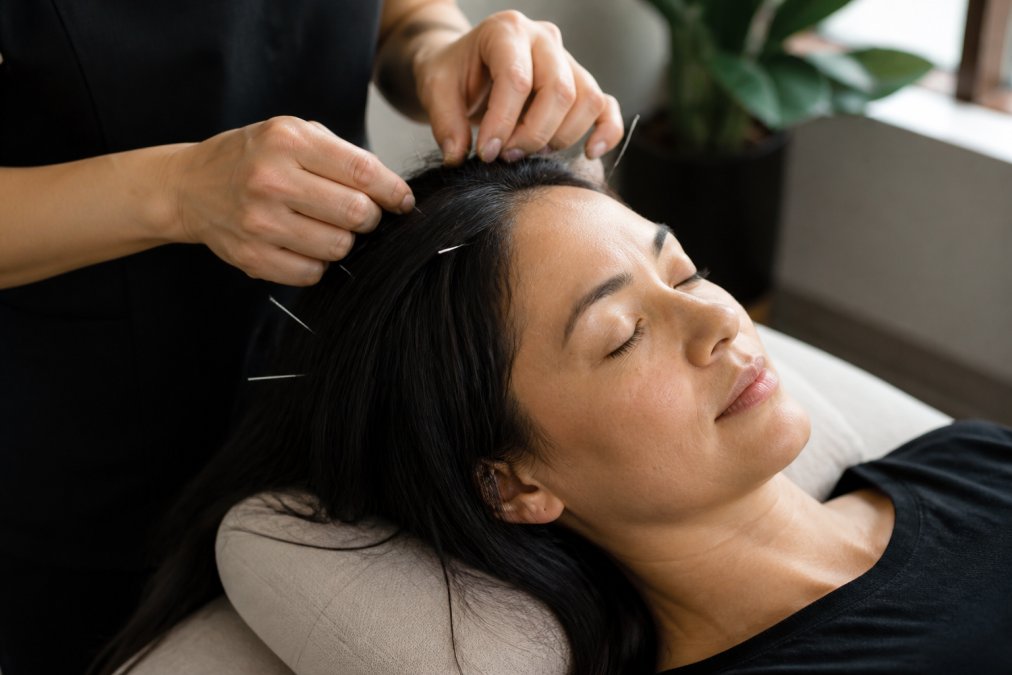
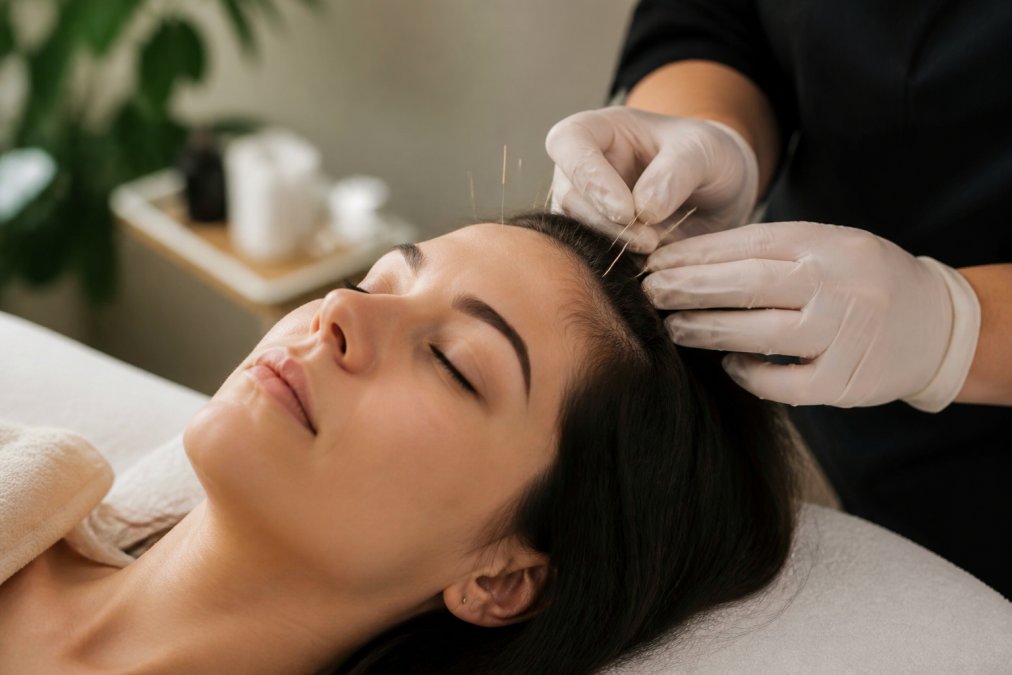
Most people describe scalp acupuncture as far less painful than they expected. The sensation is typically a brief prick at insertion, followed by a mild ache, heaviness, or tingling that fades within minutes.
The honest answer is that it feels different from what most people imagine. The needles used are extremely fine, often thinner than a strand of hair, and they're inserted just beneath the skin's surface rather than deep into muscle tissue.
The scalp has a rich blood supply and dense nerve endings, which means you'll feel something. But "something" isn't the same as pain. Many patients describe the initial insertion as a tiny pinch or mosquito bite that lasts a second or two. After that, the dominant sensation is usually warmth or a gentle pressure spreading across the scalp.
Understanding what's happening physiologically helps demystify the experience. When a fine needle passes through the subcutaneous layer, it triggers localized sensory feedback that travels along nerve pathways toward the central nervous system. This is the mechanism behind scalp acupuncture's therapeutic effect, not tissue damage or injury.
The Prick Sensation vs. De Qi
The prick sensation is the momentary sharpness you feel as the needle breaches the skin. It's brief and predictable.
De qi is different. In Traditional Chinese Medicine, de qi refers to the characteristic sensation that indicates the needle has reached an active point. Patients describe it as heaviness, distension, tingling, or a dull ache radiating from the insertion site. Practitioners consider de qi a sign that the treatment is working, though it's not painful in the conventional sense.
Some patients feel de qi immediately. Others barely notice it. Both responses are normal.
Scalp Needles Compared to Body Acupuncture
Scalp acupuncture typically uses thinner needles than body acupuncture. The needle gauge matters here: finer gauges cause less tissue trauma and less discomfort during insertion.
Needle depth also differs. Scalp needles are inserted more superficially, often just into the subcutaneous layer, while body acupuncture may target deeper muscle tissue. That superficial placement is why scalp treatments tend to feel lighter and less achy afterward.
If you've had body acupuncture before, expect scalp acupuncture to feel gentler. If you haven't, the sensation is still manageable for most people.
Can Acupuncture Stop Hair Thinning?
Acupuncture may help slow hair thinning by improving blood circulation to the scalp, reducing inflammation, and supporting hormonal balance. It is not a guaranteed cure, and results vary based on the underlying cause.
Hair thinning has many drivers: genetics, hormonal shifts, nutritional deficiencies, chronic stress, and inflammatory scalp conditions. Acupuncture addresses several of these pathways simultaneously rather than targeting just one.
The treatment works by increasing local blood flow to hair follicles, which delivers oxygen and nutrients more efficiently. It also modulates the body's stress response, which matters because elevated cortisol levels are linked to increased shedding. For women dealing with postpartum hair loss or stress-related thinning, this dual approach can be particularly relevant.
What acupuncture won't do is reverse scarring alopecia or regrow hair in areas where follicles have permanently stopped functioning. A qualified practitioner should assess whether your specific situation is likely to respond before you commit to a treatment plan.
Start Your Hair & Scalp Healing Journey →
Benefits of Scalp Acupuncture for Hair Growth
The benefits of scalp acupuncture for hair growth extend beyond circulation. Patients may experience reduced scalp inflammation, less oiliness, and improved overall scalp health.
For women with seborrheic dermatitis or psoriasis, the anti-inflammatory effects can be significant. Chronic inflammation damages the hair follicle environment, creating conditions where thinning accelerates. By calming that inflammation, scalp acupuncture creates a more hospitable foundation for regrowth.
Hormonal balance is another factor. Many women experience thinning during perimenopause, postpartum recovery, or periods of high stress.
What to Expect During a Scalp Acupuncture Session
A typical scalp acupuncture session lasts 20 to 30 minutes, with needles remaining in place for most of that time. Most patients find the experience deeply relaxing.
Before, During, and After: A Walkthrough
Before: Your practitioner reviews your health history, scalp condition, and treatment goals. They'll examine your scalp under proper lighting to identify areas of inflammation, thinning, or sensitivity. Expect questions about your menstrual cycle, stress levels, sleep, and medications.
| Phase | Duration | What You'll Feel |
|---|---|---|
| Intake and scalp exam | 10-15 minutes | Pressure from practitioner's hands |
| Needle insertion | 2-5 minutes | Brief prick, then heaviness or tingling |
| Rest with needles in place | 20-30 minutes | Deep relaxation, warmth, mild distension |
| Needle removal | 1-2 minutes | Little to no sensation |
How to Manage Discomfort if You're Nervous About Needles
Needle anxiety is common, and it doesn't disqualify you from treatment. Several strategies can make the experience more tolerable.
Safety, Side Effects, and Aftercare
Scalp acupuncture is generally considered safe when performed by a licensed practitioner using sterile, single-use needles. Mild side effects are possible but typically resolve within hours. The part most guides leave out is what the hours after a session actually feel like, and how to tell a normal response from one that needs a call to your practitioner.
What's Normal in the First 24 Hours
- Tenderness at insertion sites. A faint soreness, similar to the feeling after a firm scalp massage, is common and usually fades within a few hours.
- A mild, diffuse headache. Often described as a band of pressure across the forehead or crown. It typically responds to water and rest.
- Lingering tingling or warmth. Some people feel a soft buzzing or warmth across the scalp for several hours after needles are removed. This reflects ongoing sensory nerve activity, not tissue damage.
- Fatigue or drowsiness. Many patients feel deeply relaxed and sleep well the night of treatment. A smaller number feel unusually tired for a few hours.
- A brief emotional release. Tearfulness or a wave of calm after treatment is reported often enough that practitioners treat it as expected, not alarming.
What's Not Normal, and When to Call
Contact your practitioner if you notice any of the following:
- Pain that is sharp, escalating, or localized to a single point rather than diffuse tenderness
- Swelling, warmth, or redness that grows rather than fades
- A headache that worsens over 24 hours instead of easing
- Fever, chills, or any sign of infection at an insertion site
- Numbness or tingling that persists beyond a day, or that spreads down the neck or into the face
Post-Treatment Care
- Wait several hours before washing your hair. Many practitioners recommend four to six hours so the micro-punctures can close. Follow your practitioner's specific instruction if it differs.
- Skip harsh scalp products for the rest of the day. No chemical treatments, exfoliating scrubs, or vigorous brushing.
- Hydrate. Water before and after supports circulation and reduces the chance of a mild headache.
- Avoid strenuous exercise and alcohol for a few hours. Both can amplify lightheadedness and interfere with the relaxing effect.
- Note your sensations. Jotting down what you felt and how long it lasted gives your practitioner useful data for adjusting the next session.
When to Pause Treatment
If you develop a scalp infection, an open lesion, or a flare of a skin condition in the treatment area, reschedule until it resolves. Scalp acupuncture is not appropriate over broken or infected skin. For most other situations, a mild headache, a busy week, a cold, a quick call to your practitioner is enough to decide whether to proceed.
Frequently Asked Questions
How effective is scalp acupuncture for hair thinning?
Scalp acupuncture is often used as part of a holistic approach to hair thinning, especially when poor circulation, inflammation, or stress are contributing factors. It may help improve blood flow to the scalp and support the hair growth cycle, but results vary by individual and underlying cause. A qualified practitioner can assess whether it is appropriate for your situation. It is not a guaranteed cure, and it works best when combined with other treatments that address root causes like nutrition, hormone balance, and scalp health.
What does scalp acupuncture feel like compared to body acupuncture?
Many people find scalp acupuncture less intense than body acupuncture because the needles are very fine and the scalp has a rich nerve supply but relatively thin tissue. You may feel a brief prick sensation as the needle is inserted, followed by a mild tingling, heaviness, or distension known as de qi. Body acupuncture can produce stronger muscle aches or twitches. With scalp acupuncture, most sensations are superficial and fade within seconds to minutes, making it generally well tolerated even by those who are nervous about needles.
Is scalp acupuncture safe for sensitive scalps?
Scalp acupuncture is generally considered safe when performed by a licensed practitioner using sterile, single-use needles. For sensitive scalps, the practitioner can adjust needle gauge, depth, and insertion technique to minimize discomfort. If you have a scalp condition like psoriasis or seborrheic dermatitis, let your practitioner know so they can avoid active lesions. Mild side effects such as temporary tenderness or a small bruise at the needle site can happen but usually resolve quickly. Always discuss your scalp health history before treatment.
How many sessions are typically needed to see results?
The number of sessions varies based on your condition, goals, and how your body responds. Some people notice changes in scalp sensation or hair shedding within a few weeks, while others may need several months of regular treatments. For hair thinning, consistent treatments combined with home care often yield the best results. Your practitioner should outline a personalized plan and adjust it based on your progress.