 how-to
Find a Clinical Trichologist Near Me: 2026 Guide
Table of Contents
- What a Clinical Trichologist Does (and Why It Matters)
- Trichologist vs Dermatologist for Hair Loss: Which Do You Need?
- What Happens at a Trichology Appointment
- How to Find a Clinical Trichologist Near Me: Step-by-Step
- Clinical Trichology Consultation Cost and Insurance Coverage
- Evidence-Based Treatment Approaches: What the Research Shows
- Holistic Trichology: Integrating TCM with Clinical Practice
- Frequently Asked Questions
Last Updated: September 1, 2026
What a Clinical Trichologist Does (and Why It Matters)
A clinical trichologist is a specialist trained in the science of the hair shaft, follicle health, scalp microbiome, and the biological cycles that govern hair growth. Unlike a general stylist or primary care physician, a clinical trichologist performs structured diagnostic assessment to identify root causes rather than simply managing surface symptoms.
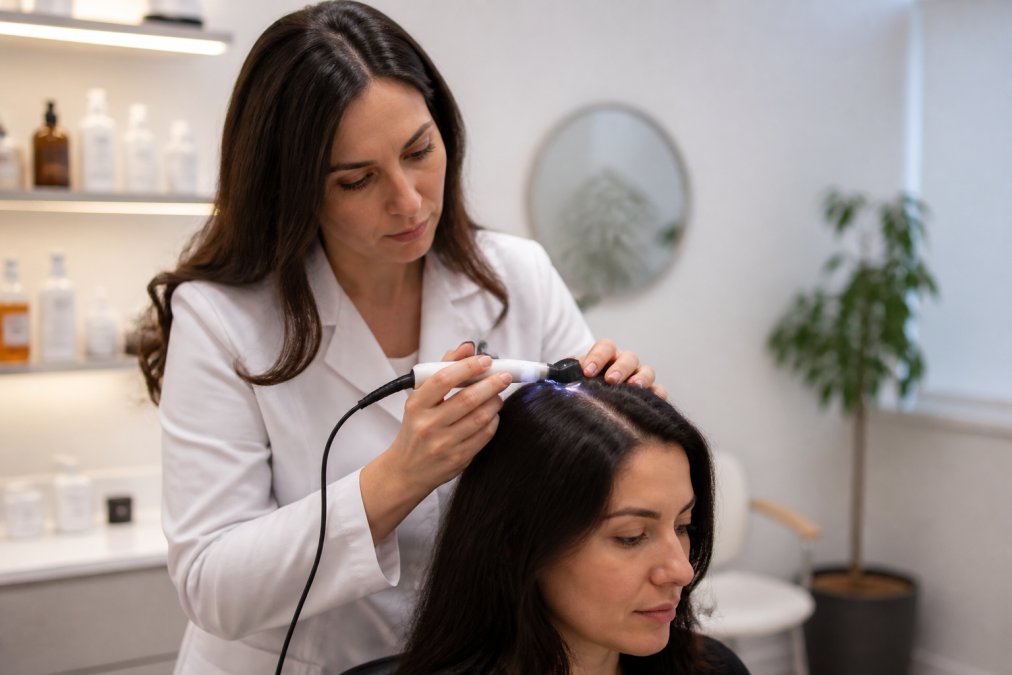
At Sophiatrichoholistic Hair Spa LLC, we see women who have spent years cycling through medicated shampoos and generic dermatology appointments, only to discover that no one has examined their scalp microscopically or assessed hormonal shifts, nutritional status, or stress history. Clinical trichology fills that gap using trichoscopy, microscopic analysis, and clinical evaluation of hair density, texture, and scalp condition to build a complete diagnostic picture.
According to the American Hair Loss Association, hair loss affects a significant portion of the adult population, yet the majority never receive formal diagnostic workup beyond visual inspection. A clinical trichologist addresses this gap.
Conditions a Clinical Trichologist Treats
The scope of conditions addressed in clinical trichology includes:
- Androgenetic alopecia (pattern hair thinning driven by hormonal sensitivity at the follicle)
- Telogen effluvium (diffuse shedding triggered by physical stress, postpartum hormonal shifts, or illness)
- Alopecia areata and other autoimmune-related hair loss patterns
- Scalp psoriasis and seborrheic dermatitis, which disrupt the scalp microbiome and impair follicle health
- Scalp inflammation caused by product buildup, fungal overgrowth, or immune dysregulation
- Hair breakage and cuticle damage from chemical, thermal, or mechanical stress
- Dandruff that persists despite over-the-counter interventions
Each condition requires a different clinical approach. Treating telogen effluvium the same way as androgenetic alopecia produces poor results for both, which is why accurate diagnostic assessment matters before treatment begins.
Trichologist vs Dermatologist for Hair Loss: Which Do You Need?
Most people default to a dermatologist when hair loss becomes noticeable. Dermatologists are licensed physicians with authority to diagnose, prescribe, and perform scalp biopsies, essential for ruling out autoimmune disease or when prescription medication is required.
A clinical trichologist occupies a different lane. The focus is entirely on hair and scalp health, with deeper clinical evaluation of hair cycle analysis, trichogram results, scalp microbiome assessment, nutritional contributors, hormonal patterns, and lifestyle factors. Many women find that a dermatologist confirms what is happening but cannot explain why or offer a path beyond pharmaceuticals.
These disciplines are complementary rather than competitive. If you have active scalp lesions, unexplained systemic symptoms, or need a scalp biopsy, start with a dermatologist. If you have a confirmed diagnosis and want a comprehensive, root-cause approach to hair restoration and scalp health, a clinical trichologist is the specialist you need.
What Happens at a Trichology Appointment
A trichology consultation is a structured clinical process. The appointment begins with detailed health and lifestyle history: hormonal events, medications, dietary patterns, stress history, recent illnesses, and hair care practices. For conditions like telogen effluvium, the trigger often occurred two to four months before shedding became visible, so timeline is critical.
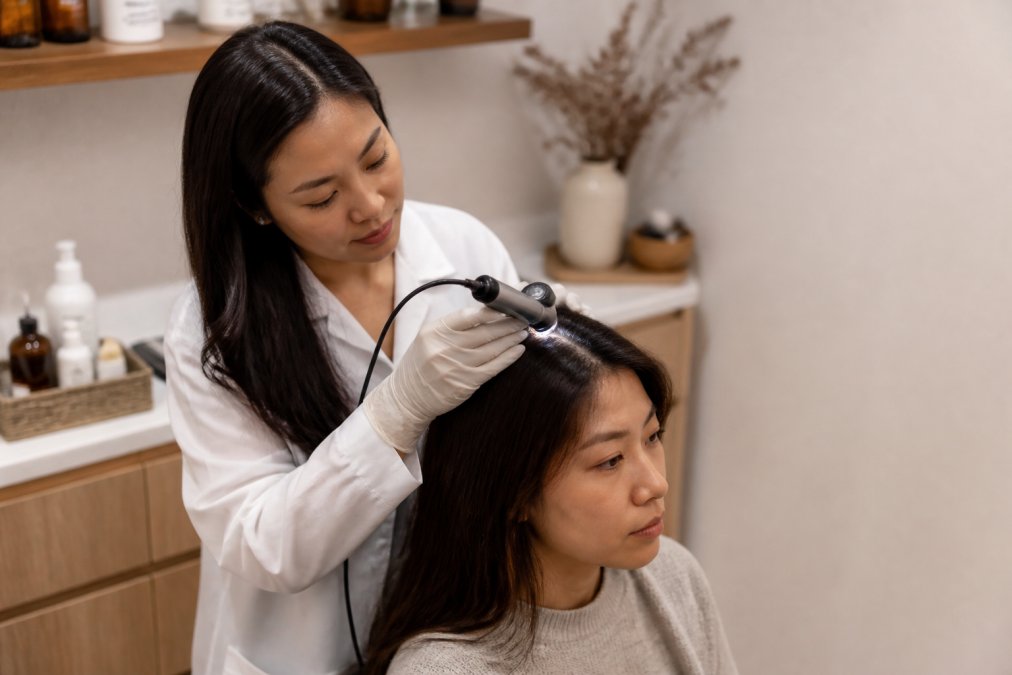
The trichologist then performs scalp examination using specialized equipment, often including a trichoscope or digital microscope, allowing direct visualization of the hair shaft, follicle openings, scalp surface, and any signs of inflammation or scarring. A trichogram may assess the ratio of actively growing to resting hairs, providing quantitative data on the hair cycle. From these findings, a personalized care plan follows, which may include in-clinic treatments, home solutions, nutritional guidance, and referral recommendations if warranted.
At-Home Preparation Checklist Before Your First Visit
Arriving prepared means your appointment time is spent on analysis, not gathering basic information.
- Wash your hair 24-48 hours before the appointment (not the morning of, so the scalp's natural state is visible)
- Stop using dry shampoo or heavy styling products for at least two days prior
- Bring a list of all current medications, supplements, and topical hair products
- Note the approximate date when shedding or changes first became noticeable
- If you have had recent bloodwork (thyroid, ferritin, hormones), bring a copy
- Write down any major physical or emotional stressors in the past six months
- Note any family history of hair loss or scalp conditions
- Take a few photos of your hairline and part width over the past few months if available, for comparison
How to Find a Clinical Trichologist Near Me: Step-by-Step
Finding a qualified clinical trichologist requires credential verification, as the field is not uniformly regulated like medicine.
Step 1: Start with credentialing bodies. Search the directories maintained by the International Association of Trichologists or the World Trichology Society, which maintain standards for certification.
Step 2: Confirm specific certifications. Look for titles such as Certified Trichologist, Certified Holistic Trichologist, or Certified Clinical Trichologist. Ask which certifying body issued the credential and when it was renewed.
Step 3: Assess clinical scope. A qualified specialist should offer formal diagnostic assessment, not just product recommendations. Ask whether the consultation includes microscopic analysis or trichoscopy, and whether you receive a written care plan.
Step 4: Prioritize specialization. For chronic conditions like alopecia or scalp psoriasis, prioritize practitioners whose primary focus is hair and scalp health rather than those offering trichology as a secondary service.
Step 5: Read condition-specific reviews. Generic five-star reviews are less useful than reviews naming a specific condition and describing what changed. Look for mentions of conditions similar to yours.
Step 6: Book a consultation before committing to treatment. A reputable clinical trichologist will offer an initial consultation that stands on its own, providing diagnosis, proposed plan, and realistic outcome expectations.
How to Verify Credentials and Qualifications
Ask for the name of the certifying organization and verify it independently. Legitimate certifying bodies maintain public registries. Also check whether the practitioner holds complementary licenses relevant to their stated approach, for example, a practitioner integrating acupuncture should hold a valid state acupuncture license, verifiable through your state's licensing board.
Clinical Trichology Consultation Cost and Insurance Coverage
The cost of a clinical trichology consultation varies depending on the practitioner's credentials, assessment scope, and geographic market. For current pricing at Sophiatrichoholistic Hair Spa LLC, visit the website directly, as fees reflect the depth of the diagnostic process and personalized care plan provided.
Insurance coverage for trichology services is not standard. Most private health insurance plans do not categorize standalone trichology consultations as covered medical visits. However, several pathways are worth exploring:
- HSA and FSA eligibility: Health Savings Accounts and Flexible Spending Accounts can often be used for services qualifying as medical care under IRS guidelines. According to IRS Publication 502 on Medical and Dental Expenses, expenses for diagnosis, cure, mitigation, treatment, or prevention of disease may qualify. Consult your plan administrator to confirm eligibility.
- Dermatology referrals: If a dermatologist refers you for specialized hair and scalp assessment, some insurance plans may provide partial coverage depending on coding.
- Complementary medicine riders: Some plans include riders for acupuncture or integrative medicine. If a trichology consultation is performed by a licensed acupuncture physician, coverage may apply under those provisions.
Always request an itemized receipt and ask whether the practitioner can provide documentation supporting an HSA or FSA reimbursement claim.
| Coverage Type | Likelihood of Coverage | Action to Take |
|---|---|---|
| Standard health insurance | Unlikely for standalone trichology | Confirm with insurer before appointment |
| HSA / FSA | Often eligible if medically justified | Check IRS Publication 502 and plan terms |
| Acupuncture insurance rider | Possible if practitioner is licensed | Verify practitioner's license type with insurer |
| Dermatology referral | Partial coverage possible | Request referral documentation from dermatologist |
Evidence-Based Treatment Approaches: What the Research Shows
Clinical trichology draws on a growing body of research, though not yet as extensive as pharmaceutical dermatology. Honest practitioners acknowledge this distinction.
The evidence clearly supports that conditions like androgenetic alopecia and telogen effluvium respond to treatments addressing underlying contributors: hormonal imbalance, nutritional deficiency, scalp inflammation, and disrupted hair cycle signaling. Low-level laser therapy has been evaluated in peer-reviewed literature and cleared by the FDA for certain hair loss indications, placing it in a different category from purely anecdotal treatments.
For seborrheic dermatitis and scalp psoriasis, evidence supports interventions targeting the scalp microbiome and reducing inflammation rather than simply suppressing symptoms. This holistic approach can produce outcomes that pharmaceutical-only protocols do not, particularly for women experiencing recurrence despite conventional treatment.
Preventative care also has an evidence base. Addressing early-stage hair thinning before follicle miniaturization becomes advanced produces better outcomes than waiting until density loss is visible.
Holistic Trichology: Integrating TCM with Clinical Practice
For practitioners trained in both clinical trichology and Traditional Chinese Medicine, integration is not a compromise but a more complete model of hair and scalp health.

TCM views hair health as reflecting internal organ function, particularly the kidney and liver meridian systems, blood quality, and vital energy flow. Scalp inflammation is not just a surface condition but a signal of internal imbalance. Acupuncture, herbal medicine, and dietary therapy address internal drivers while clinical trichology tools address the scalp and follicle directly.
This dual approach is particularly relevant for conditions that conventional dermatology treats cyclically without resolution. Scalp psoriasis that returns seasonally often has a systemic inflammatory component that topical treatments do not reach. Postpartum hair loss involves hormonal recalibration benefiting from both targeted scalp care and internal support for the body's recovery.
The practitioner leading this work at Sophiatrichoholistic Hair Spa LLC holds credentials as a Licensed Acupuncture Physician, Doctor of Acupuncture and Oriental Medicine, Certified Holistic Trichologist, Certified Master Holistic Practitioner, Herbalist, and Licensed Master Cosmetologist, with over 30 years of experience across wellness, salon, and medical hair restoration settings. That depth of training enables genuine integration rather than surface-level combination of unrelated services.
This model treats hair regeneration as an outcome of whole-body health, addressing the scalp microbiome, hormonal balance, nutritional status, and energy flow together, which is why clients who have not responded to conventional treatment often see different results here.
Frequently Asked Questions
Is it better to see a trichologist or dermatologist for hair loss?
The right choice depends on your symptoms. A dermatologist diagnoses and treats skin diseases, including scalp conditions that may need prescription medication or biopsy. A clinical trichologist focuses exclusively on hair and scalp health, often spending more time on diagnostic assessment, hair density analysis, and personalized care plans. For chronic hair thinning, alopecia, or scalp inflammation that hasn't responded to dermatological treatment, a certified trichologist can offer a more targeted, root-cause evaluation. Many women benefit from seeing both.
What should I expect during my first clinical trichology consultation?
Your first visit typically includes a detailed health and lifestyle intake, microscopic analysis of the hair shaft and scalp, and a trichogram to assess hair cycle and follicle health. The specialist will examine scalp conditions such as seborrheic dermatitis, dandruff, or signs of androgenetic alopecia. From there, you receive a personalized care plan covering in-clinic treatments and home hair growth solutions. Bring a list of current medications, supplements, and any previous diagnoses to help the practitioner build an accurate picture.
Does health insurance cover visits to a trichologist?
Most standard health insurance plans do not cover trichology consultations because trichology is not a licensed medical specialty under U.S. insurance billing codes. However, if your appointment is ordered or supervised by a licensed physician and coded as a dermatology or medical hair loss visit, partial coverage may apply. HSA and FSA accounts can often be used for qualified medical expenses, including hair loss consultations tied to a diagnosed condition. Check with your insurer and ask the practice for the relevant billing codes before booking.
Can a clinical trichologist help with alopecia and scalp inflammation?
Yes. Clinical trichology is specifically designed to address conditions like androgenetic alopecia, telogen effluvium, scalp psoriasis, and seborrheic dermatitis. A certified practitioner uses diagnostic tools to identify the underlying cause of hair loss or scalp inflammation, then builds a treatment protocol that may include laser hair therapy, scalp microbiome restoration, topical treatments, and lifestyle adjustments. Holistic practices may also incorporate Traditional Chinese Medicine to address hormonal and internal imbalances contributing to hair thinning and follicle health decline.
Chronic scalp conditions and persistent hair loss deserve more than a prescription and a follow-up in six months. Start your hair and scalp healing journey with Sophiatrichoholistic Hair Spa LLC, where a Certified Holistic Trichologist and Licensed Acupuncture Physician brings over three decades of clinical experience to a fully personalized care plan. Visit our website to book your consultation and take the first step toward sustainable hair regeneration.