 How-to
Balance Hormones for Better Hair Growth: A Guide
Table of Contents
- How Hormones Influence the Hair-Growth Cycle
- Hormones That Affect Hair Growth and Hair Loss
- Recognizing Signs of Hormone-Related Hair Loss
- Hair Loss Blood Tests for Women: What to Ask Your Doctor
- Nutrition and Nutrients That Support Hair Health
- PCOS Hair Loss Treatment and Hormone Rebalancing
- Lifestyle Changes to Balance Hormones and Support Hair Growth
- Holistic and Medical Treatment Options for Hormone-Related Hair Loss
- Frequently Asked Questions
Last Updated: October 17, 2026
How Hormones Influence the Hair-Growth Cycle
Hormones signal hair follicles to grow, rest, or shed, so imbalances disrupt the ability to balance hormones hair growth and cause hair loss.
Hair has three phases: anagen (active growth, 2-7 years), catagen (a 2-3 week transition), and telogen (a 2-4 month rest before shedding).
Hormones regulate how long each phase lasts; when they shift, follicles may skip growth or get stuck in shedding, causing thinning.
At Sophiatrichoholistic Hair Spa LLC, we address root hormonal causes to restore the natural hair growth cycle.
Hormones That Affect Hair Growth and Hair Loss
The main hormones affecting hair are androgens, estrogen, progesterone, and thyroid hormones.
Androgens and Pattern Hair Loss
Androgens are present in all bodies. The key one for hair loss is dihydrotestosterone (DHT).
This is androgenetic alopecia, or pattern hair loss, the most common type in women. Some inherit DHT sensitivity; others develop it from hormonal changes, stress, or nutritional deficiencies.
DHT itself isn't the enemy, your body needs some. The problem is when follicles overreact, which is why two people with the same DHT levels can have very different hair loss patterns.
Low Estrogen and Hair Loss
Estrogen keeps hair in the growth phase longer. When it drops, hair spends less time growing and more time shedding, causing diffuse thinning.
Low estrogen happens during:
- Perimenopause and menopause
- After stopping hormonal birth control
- Extreme calorie restriction or overexercise
When estrogen rises again, the cycle usually recovers, though regrowth can take 3-6 months.
Thyroid Hormones and Diffuse Shedding
When thyroid hormones are too low (hypothyroidism) or too high (hyperthyroidism), hair suffers.
Thyroid problems cause telogen effluvium, where many follicles shift into shedding at once, usually 2-3 months after the problem starts.
Thyroid-related hair loss is often reversible: once your thyroid is treated and hormones stabilize, shedding usually stops within 2-3 months.
Hormonal Changes During Menopause, Pregnancy, and Postpartum
Pregnancy brings high estrogen and progesterone, so many women notice thicker hair.
Postpartum shedding is normal, typically peaking 3-4 months after birth and improving by 6-12 months.
Menopause brings the opposite shift: estrogen and progesterone decline while the relative effect of androgens increases, causing noticeable thinning.
Perimenopause can last 5-10 years, and its hormone fluctuations often trigger hair loss.
Recognizing Signs of Hormone-Related Hair Loss
Hormone-related hair loss has specific patterns. Knowing these signs helps you identify the problem early.
Increased shedding is another signal. Losing 50-100 hairs daily is normal; 200+ suggests something has shifted (the American Academy of Dermatology).
Timing matters. Did your hair loss start after a major life event, stopping birth control, or a stressful period?
Scalp changes may accompany hormonal hair loss, oiliness, inflammation, or itching.
Hair Loss Blood Tests for Women: What to Ask Your Doctor
A blood test is not a diagnosis but one piece of a clinical picture. Understanding what each test can and cannot tell you makes for a more productive conversation with a clinician.
Why testing comes after a history, not before
Most clinicians start with a detailed history: when shedding began, whether it followed a pregnancy, illness, surgery, crash diet, or medication change, and whether the pattern is diffuse or concentrated at the part and crown. That history often points to telogen effluvium, while labs rule out contributors.
Tests a clinician may consider, and what they help distinguish
- Complete blood count (CBC) and ferritin. Ferritin reflects stored iron. Low ferritin is a well-recognized contributor to diffuse shedding and can be low even when hemoglobin is normal, one of the most common non-hormonal explanations for shedding that looks hormonal.
- TSH and free T4. These screen for thyroid dysfunction. Both hypothyroidism and hyperthyroidism can cause diffuse shedding, and thyroid disease is common enough to belong in most initial workups.
- Total and free testosterone, DHEA-S. These evaluate androgen excess. Elevated androgens raise the possibility of PCOS or another androgen-excess condition, especially with irregular cycles or acne.
How clinicians tell hormonal causes apart from other causes
The differential matters because treatments differ. A clinician asks:
- Is this androgen-driven? Patterned thinning at the part and crown, with or without acne or irregular cycles, points toward androgenetic alopecia. Androgen levels can be normal in androgenetic alopecia, because follicle sensitivity matters as much as circulating hormone levels.
- Is this thyroid-driven? Diffuse shedding with fatigue, cold intolerance, or weight change raises thyroid suspicion. Thyroid-related shedding usually reverses once thyroid levels are treated.
- Is this nutritional or iron-related? Diffuse shedding with low ferritin, low vitamin D, or low B12 points here. Correcting the deficiency is the priority.
Interpreting results without over-reading them
Reference ranges are population-based, not personalized. Many clinicians treat low-normal ferritin as worth addressing in diffuse shedding even when not flagged. Hormone levels also fluctuate across the cycle, so results should be read alongside your history, scalp exam, and pattern of loss.
When to ask for a referral
If shedding is persistent, the pattern is patchy or scarring, or initial labs are unrevealing, a dermatologist or trichologist can add scalp examination, dermoscopy, and a broader differential. A clinician who regularly evaluates hair loss will be more comfortable interpreting borderline results and deciding whether treatment is warranted.
Start Your Hair & Scalp Healing Journey →
Nutrition and Nutrients That Support Hair Health
Nutrient deficiencies slow hair growth and increase shedding.
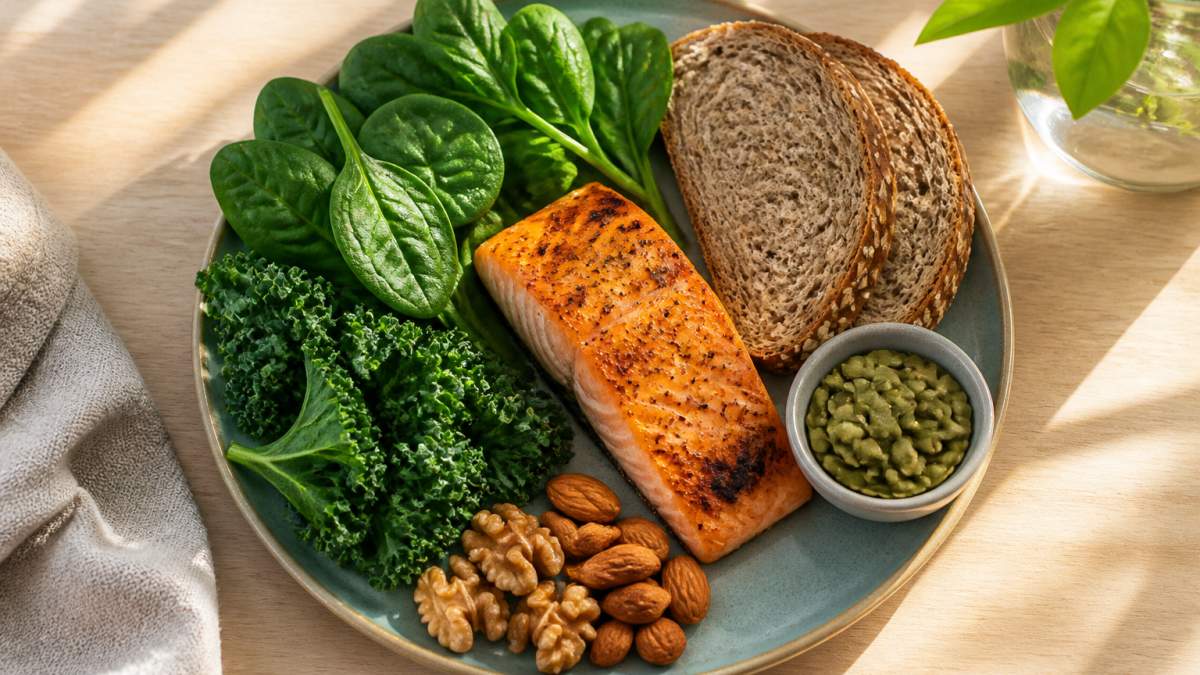
Protein is the building block of hair, which is made of keratin.
Omega-3 fatty acids reduce inflammation and support scalp circulation.
Vitamin D regulates the hair growth cycle. Deficiency is linked to alopecia and diffuse shedding.
Zinc supports hormone balance and immune function.
B vitamins (especially B12 and folate) support energy production and cell division in hair follicles.
PCOS Hair Loss Treatment and Hormone Rebalancing
PCOS (polycystic ovary syndrome) affects 1 in 10 women of reproductive age. It causes elevated androgens, insulin resistance, and often significant hair loss.
PCOS-related hair loss is androgenic. Excess androgens shrink hair follicles.
Treatment focuses on lowering androgens:
- Inositol supplements improve insulin sensitivity and lower androgens naturally
- Spearmint tea has mild anti-androgenic properties. Some women drink 2 cups daily
- Dietary changes reduce insulin spikes, which trigger androgen production. Focus on whole foods, fiber, and lean protein
Medical options include birth control pills (which lower free androgens) and spironolactone (an anti-androgen medication). Work with a healthcare provider to find the right approach for your situation.
Lifestyle Changes to Balance Hormones and Support Hair Growth
Sleep is foundational. During sleep, your body repairs tissues and balances hormones.
Stress reduction is non-negotiable. Chronic stress raises cortisol, which triggers hair shedding and blocks hormone balance. Find what works for you:
- Yoga or stretching
- Meditation or breathwork
- Time in nature
Regular exercise improves insulin sensitivity, reduces inflammation, and supports hormone balance. Aim for 150 minutes of moderate activity weekly (the CDC).
Hydration supports nutrient transport and scalp health. Drink half your body weight in ounces daily.
Limit inflammatory foods. Ultra-processed foods, excess sugar, and refined carbs spike inflammation and worsen hormone imbalance.
Avoid extreme dieting. Severe calorie restriction triggers telogen effluvium and lowers estrogen.
Holistic and Medical Treatment Options for Hormone-Related Hair Loss
Treatment should follow the cause, not the other way around. The options below are grouped by how well-established they are, so you can tell the difference between approaches with meaningful clinical support and approaches that are plausible but unproven. This distinction matters because hair loss treatment is a long game, and you want to spend that time on options that can actually move the needle.
Established medical options
These are the approaches most clinicians reach for first when a hormonal cause is identified.
- Treating the underlying condition. If thyroid disease is present, thyroid medication is the treatment. If androgen excess is driving patterned loss, the plan targets androgens. Correcting the cause is more effective than treating the shedding in isolation.
- Minoxidil (topical). Minoxidil extends the growth phase and is one of the few treatments with broad clinical support for androgenetic alopecia. It requires consistent, ongoing use; benefits typically fade if it is stopped. Common side effects include scalp irritation, and it should not be used during pregnancy without clinician guidance.
- Spironolactone. An anti-androgen medication used off-label for androgen-driven hair loss in some patients. It requires a prescription and monitoring, and it is not appropriate during pregnancy.
Approaches with limited or mixed evidence
These are commonly discussed and may help some people, but the evidence is weaker or more preliminary than for the established options above.
- Inositol. Studied mainly in PCOS for insulin sensitivity and androgen reduction. It is generally well tolerated, but it is not a substitute for medical management of PCOS.
- Spearmint tea. Small studies suggest mild anti-androgenic effects. It is low-risk for most people but not a proven stand-alone treatment.
- Ashwagandha and other adaptogens. Marketed for cortisol and stress support. Evidence for hair-specific outcomes is limited, and product quality varies widely.
What the evidence does and does not support
The strongest evidence in hormone-related hair loss is for treating the underlying condition and for minoxidil in androgenetic alopecia. Supplements and herbal approaches are popular, but the evidence base is thinner, product quality is inconsistent, and interactions are possible. A reasonable approach is to prioritize established treatments for the primary driver and treat complementary approaches as supportive rather than central.
Realistic timelines and how to track progress
Hair grows slowly, and the growth cycle sets the pace. New hair grows from the root at roughly half an inch per month, and visible improvement usually takes three to six months, sometimes longer. Shedding from a temporary trigger often resolves over a similar window once the trigger is addressed.
Tracking matters more than judging by feel:
- Take photos in consistent lighting, at the same angle, every four to six weeks.
- Note shedding counts in the shower or on your pillow as a rough trend, not a precise measure.
- Expect fluctuations. A single bad week is not a trend.
Putting it together
The most effective plans usually combine three things: treating the identified cause, using established treatments where appropriate, and supporting scalp and overall health with nutrition, sleep, and stress management. At Sophiatrichoholistic Hair Spa LLC, we integrate Traditional Chinese Medicine with clinical trichology to support that plan, while encouraging medical evaluation and treatment where it is indicated.
Frequently Asked Questions
What hormones affect hair growth the most?
Androgens, estrogen, progesterone, and thyroid hormones have the greatest influence on the hair-growth cycle. Androgens can shrink hair follicles in pattern hair loss, while estrogen prolongs the active growth phase. Thyroid imbalance often causes diffuse shedding across the scalp. Cortisol, the stress hormone, can push follicles into the resting phase prematurely. A blood test measuring TSH, free T3, testosterone, and DHEA-S can help identify which hormones may be driving your hair loss.
Can hormonal hair loss be reversed?
Yes, many forms of hormone-related hair loss can be reversed or significantly improved when the underlying hormone imbalance is addressed. Postpartum hair loss typically resolves within 6 to 12 months as hormone levels stabilize. Thyroid-related shedding improves once thyroid function is restored. Pattern hair loss and PCOS-related thinning respond to sustained hormone rebalancing through medication, lifestyle changes, and targeted nutrition. Results depend on the cause, duration of hair loss, and how consistently you address the root hormone imbalance. Realistic timelines range from 3 to 6 months for noticeable improvement, with fuller recovery taking 12 to 18 months.
How can I tell if my hair loss is hormonal or nutritional?
Hormonal hair loss typically causes pattern thinning (around the crown or part line) or diffuse shedding across the entire scalp, often accompanied by other signs like irregular periods, acne, or fatigue. Nutritional deficiencies usually cause diffuse shedding without pattern, and may include symptoms like brittle nails or pale skin. The most reliable way to distinguish them is through blood tests measuring hormone levels (TSH, testosterone, DHEA-S, estrogen) and nutrient markers (iron, ferritin, vitamin D, B12, folate). Many women experience both simultaneously, which is why comprehensive testing and evaluation by a healthcare provider or trichologist is essential for an accurate diagnosis.
When should I see a doctor about hair thinning?
See a doctor if you notice sudden hair loss, lose more than 100 hairs per day for longer than 2 weeks, experience patchy bald spots, have scalp pain or itching with hair loss, or notice thinning after a major life event like childbirth or surgery. Also seek evaluation if your hair loss is accompanied by fatigue, weight changes, irregular periods, or skin changes, these can indicate hormonal or nutritional issues. A dermatologist or primary care physician can order blood tests to check thyroid function, hormone levels, and nutrient status. Early evaluation helps identify the root cause and improves treatment outcomes.