 How-to
Scalp Inflammation and Hair Thinning: Causes and Relief
Table of Contents
- Understanding Scalp Inflammation and Hair Thinning
- Common Causes of Itchy Scalp and Hair Loss
- How to Stop Scalp Itching: At-Home Care Strategies
- Scalp Eczema Treatment and Management
- When Scalp Itching Signals a Deeper Issue
- A Holistic Approach to Healing Scalp Inflammation and Restoring Hair
- Conclusion
- Frequently Asked Questions
Last Updated: October 6, 2026
Understanding Scalp Inflammation and Hair Thinning
Scalp inflammation and hair thinning often go hand in hand. At Sophiatrichoholistic Hair Spa LLC, we address the root cause of scalp inflammation to promote healthy hair growth.
The connection is straightforward: an inflamed scalp creates stress on hair follicles. This stress triggers shedding and weakens new growth.
Understanding what's happening beneath the surface helps you choose the right treatment path. Your scalp is not just skin, it's an ecosystem.
Common Causes of Itchy Scalp and Hair Loss
Several conditions trigger both scalp itching and hair thinning. Identifying which one affects you is the first step toward relief.
Seborrheic Dermatitis and Dandruff
Seborrheic dermatitis is a fungal condition that causes an itchy scalp with visible flakes.
The inflammation from seborrheic dermatitis weakens hair roots. Over time, you'll notice increased shedding and thinner strands. The scalp becomes oily, yet paradoxically irritated and dry underneath.
What most guides miss is that treating only the flakes doesn't solve the problem. You need to address the fungal overgrowth AND calm the inflammation driving hair loss.
Psoriasis on Scalp and Hair Loss
Scalp psoriasis is an autoimmune condition that creates thick, silvery plaques. It's more aggressive than dandruff and causes more severe scalp inflammation and hair thinning.
People with psoriasis on their scalp often experience significant shedding. The inflammation is deeper and more persistent. Hair regrowth slows because the follicles are under constant immune attack.
Conventional dermatological treatments address symptoms but often miss the underlying immune imbalance.
Scalp Eczema and Inflammatory Conditions
Scalp eczema creates itching, redness, and sometimes oozing or crusting. Like other forms of eczema, it stems from a compromised skin barrier and overactive immune response.
When eczema affects your scalp, hair thinning follows. The constant scratching damages follicles. The inflammation starves hair roots of nutrients.
Contact dermatitis, a reaction to hair products, also falls into this category. Many shampoos contain harsh detergents that trigger inflammation in sensitive scalps.
How to Stop Scalp Itching: At-Home Care Strategies
You don't always need prescription treatments to reduce scalp inflammation and hair thinning. Several at-home approaches work effectively when applied consistently, but the difference between relief and a chemical burn often comes down to dilution, patch testing, and matching the remedy to the cause.
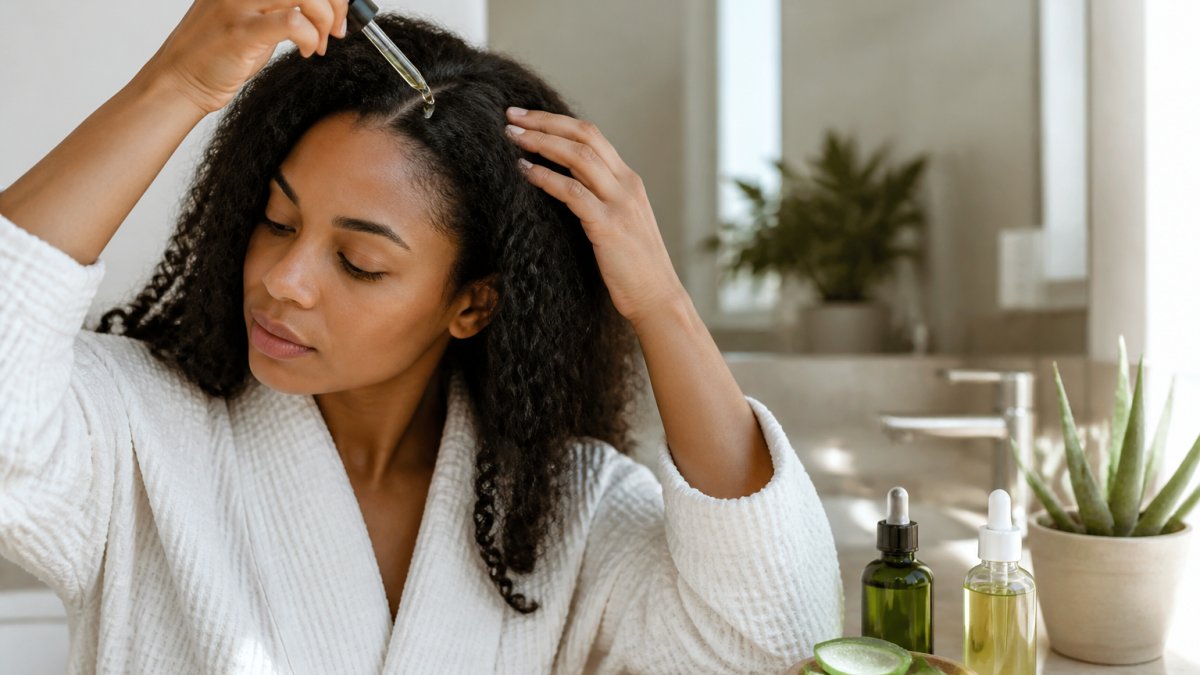
Gentle Washing and Scalp Care
Stop using harsh shampoos. Most commercial shampoos contain sulfates that strip natural oils and trigger inflammation.
Switch to gentle, sulfate-free products. Wash your scalp with lukewarm, not hot, water. Hot water increases inflammation and dries the scalp further.
Massage your scalp gently while washing. Use your fingertips, not your nails. A two-minute massage improves blood flow to hair follicles and reduces tension that worsens inflammation.
Key washing steps:
- Use lukewarm water only
- Massage gently for 2 minutes
- Choose sulfate-free shampoo
- Rinse thoroughly
Limit washing to 2-3 times per week. If you have seborrheic dermatitis, however, more frequent washing with a medicated shampoo may be appropriate, the right cadence depends on whether your scalp is oily or dry.
Match the Remedy to the Cause
Most guides hand you a list of remedies without telling you which one fits your scalp. That's backwards. Use this decision path:
- Flaky, oily, yellow-tinged scales (likely seborrheic dermatitis): Reach for antifungal options first, tea tree oil diluted in a carrier, or an OTC ketoconazole or zinc pyrithione shampoo. Skip heavy oils like coconut, which can feed the yeast.
- Dry, tight, flaking scalp with no oil (likely dry scalp): Moisture is the answer. Aloe vera gel or a light carrier oil like jojoba. Avoid vinegar rinses, which can sting and further dry the barrier.
- Thick silvery plaques (likely psoriasis): Gentle scale-softening with salicylic acid shampoos, then moisture. Essential oils are adjuncts here, not primary treatment.
- Redness, burning, or oozing after a new product (likely contact dermatitis): Stop the product. Soothing agents like colloidal oatmeal or aloe only. No essential oils until the barrier heals.
- Itch with no visible flakes or rash: This is the presentation most guides ignore. Persistent itch without scaling can stem from nerve-related itch, underlying thyroid or iron issues, or product residue. Don't keep layering remedies, get it evaluated if it lasts beyond two weeks.
Safe Use of Home Remedies and Essential Oils
Natural does not mean risk-free. Essential oils are concentrated plant compounds that can cause allergic contact dermatitis, and undiluted application can burn skin.
Dilution math that matters:
- For scalp use, a safe starting dilution is roughly 1-2% essential oil in a carrier oil (Safety).
- 1% = about 6 drops of essential oil per 1 ounce (roughly 2 tablespoons) of carrier oil.
- 2% = about 12 drops per ounce.
- Tea tree oil is one of the more irritating oils, start at 1% and never apply it neat.
Patch test every new remedy:
- Dilute as you plan to use it.
- Apply a small amount behind your ear or on your inner forearm.
- Wait 24-48 hours.
- Check for redness, itching, burning, or small bumps.
- Only then apply to the scalp.
Remedy-by-remedy safety notes:
- Aloe vera: Generally well tolerated. Use pure gel, not products with added alcohol or fragrance. Rinse after 15-20 minutes.
- Apple cider vinegar: Mix one part vinegar with three parts water, never use it undiluted. Avoid on broken, cracked, or oozing skin; it will sting and can worsen irritation. Don't use it if you have open sores from scratching.
- Tea tree oil: Dilute to 1-2% in a carrier oil like coconut or jojoba. Do not ingest. Discontinue if you develop a rash, tea tree allergy can develop with repeated use.
- Coconut oil: Moisturizes and has mild antifungal properties, but it can clog follicles and feed malassezia yeast in seborrheic dermatitis. Best for dry scalps, not oily flaky ones.
Natural remedies work best with consistency. Use them 2-3 times weekly for at least 4-6 weeks before assessing results. If your scalp gets worse, more itching, more shedding, new redness, stop and reassess rather than pushing through.
Scalp Eczema Treatment and Management
Treating scalp eczema requires a two-pronged approach: reduce inflammation now and prevent flare-ups later.
Over-the-Counter and Medicated Shampoos
OTC shampoos with zinc pyrithione or ketoconazole address fungal overgrowth. These ingredients reduce inflammation and control flaking.
Start Your Hair & Scalp Healing Journey →
Use medicated shampoos 2-3 times weekly. Alternate with a gentle, hydrating shampoo to prevent over-drying.
For more severe cases, prescription shampoos with stronger antifungal agents work faster.
The key is consistency. Medicated shampoos work best when used regularly over 6-8 weeks.
Identifying and Avoiding Product Triggers
Many people with scalp inflammation and hair thinning react to specific ingredients. Common culprits include:
- Sulfates (sodium lauryl sulfate, sodium laureth sulfate)
- Parabens
- Fragrances and essential oils
- Silicones
- Alcohol
Keep a simple log of products you use and how your scalp responds. Note flaking, itching, or increased shedding within 24-48 hours of using a new product.
Once you identify triggers, eliminate them. Your scalp will often improve within 2-3 weeks of removing the irritant.
When Scalp Itching Signals a Deeper Issue
Most scalp inflammation responds to home care and OTC treatments within 4-6 weeks. If yours doesn't, something deeper may be at play. The tricky part is knowing whether to wait, call for a routine appointment, or seek care promptly. Here's how to triage.
Seek Prompt Care (Same Day to a Few Days)
Some signs mean don't wait. Get evaluated promptly if you have:
- Open sores, bleeding, or oozing from the scalp
- Signs of infection: spreading redness, warmth, swelling, pus, or fever
- Sudden, rapid hair loss in patches (not gradual thinning)
- Severe pain, tenderness, or burning that disrupts sleep
- A rapidly expanding rash or one that spreads to your face or neck
These can signal infection, a severe inflammatory flare, or an allergic reaction that needs prescription or emergency treatment, not another home remedy.
Schedule a Routine Appointment (Within a Few Weeks)
Other symptoms aren't emergencies but shouldn't be ignored indefinitely. Book a dermatologist or trichologist if you have:
- Itching that persists beyond 4-6 weeks despite consistent OTC treatment
- Visible thinning or shedding that continues for more than 2-3 months
- Shedding noticeably more than about 100 hairs per day (the American Academy of Dermatology)
- Symptoms that steadily worsen rather than plateau
- Scalp pain or tenderness without an obvious cause
A common pattern is treating flakes for months while the underlying inflammation quietly damages follicles. The earlier that's caught, the more reversible the thinning tends to be.
What to Expect at the Evaluation
A clinician will typically examine the scalp, ask about your hair-care routine and products, review your medical history, and may order blood work.
Bring a list of every product you use on your scalp and hair, plus a rough timeline of when symptoms started and what you've already tried. That history often shortens the path to the right diagnosis.
If OTC Treatment Isn't Working
Set a realistic reassessment point. If you've used a medicated shampoo consistently for 6-8 weeks and see no improvement, or things are getting worse, stop guessing and get evaluated.
Severe or worsening scalp inflammation and hair thinning sometimes indicates an underlying health issue. Thyroid problems, nutritional deficiencies, hormonal imbalances, and autoimmune conditions can all trigger scalp symptoms.
A Holistic Approach to Healing Scalp Inflammation and Restoring Hair
True healing addresses root causes, not just symptoms. This is where Traditional Chinese Medicine combined with clinical trichology delivers lasting results.
Scalp inflammation and hair thinning often reflect internal imbalances.
At Sophiatrichoholistic Hair Spa LLC, we integrate acupuncture and herbal medicine with targeted scalp treatments.
The process typically involves:
- Assessment of your specific condition and triggers
- Customized scalp treatments to reduce inflammation
- Acupuncture to address underlying imbalances
- Dietary and lifestyle guidance for sustainable results
- Regular monitoring to track improvement
According to research on acupuncture and hair growth, acupuncture increases blood flow to hair follicles and reduces inflammation markers in the scalp.
Conclusion
Scalp inflammation and hair thinning are connected problems with connected solutions. Whether you start with gentle home care, medicated treatments, or professional holistic therapy, consistency matters most.
If home remedies haven't worked after 6-8 weeks, professional evaluation helps identify what's blocking progress. At Sophiatrichoholistic Hair Spa LLC, we specialize in treating stubborn scalp conditions through personalized, holistic protocols that address root causes.
Frequently Asked Questions
Can scalp inflammation cause hair thinning?
Yes. Scalp inflammation disrupts the scalp microbiome and restricts blood flow to hair follicles, weakening them and triggering shedding or thinning. Conditions like seborrheic dermatitis, psoriasis, and scalp eczema all create inflammatory environments that impair hair growth. Addressing the underlying inflammation is essential to stopping hair loss and promoting regrowth.
What conditions cause an itchy, inflamed scalp and hair loss together?
Several conditions produce both symptoms: seborrheic dermatitis, psoriasis, scalp eczema, allergic contact dermatitis, and fungal infections. Postpartum hormonal shifts and stress can also trigger scalp inflammation paired with temporary hair shedding. Head lice and folliculitis are less common but serious causes. A consultation with a dermatologist or trichologist helps identify your specific condition and appropriate treatment.
How can scalp eczema be treated at home?
Start by identifying triggers: fragrant shampoos, sulfates, and heat styling often worsen scalp eczema. Wash with lukewarm water and a gentle, fragrance-free cleanser. Apply soothing home remedies like aloe vera or diluted tea tree oil after shampooing. Avoid scratching, use a soft brush, and limit hair washing to 2-3 times weekly. If symptoms persist beyond two weeks or worsen, seek professional evaluation.
When should I see a dermatologist for scalp inflammation and hair thinning?
Seek professional care if scalp itching persists longer than two weeks, if you notice sores or bleeding from scratching, if hair loss accelerates, or if over-the-counter treatments fail. Visible rash, severe flaking, or signs of infection (warmth, pus, odor) require prompt evaluation. A dermatologist or trichologist can diagnose the underlying cause and recommend prescription or clinical treatments.