 how-to
Holistic Treatment for Scalp Psoriasis: 7 Natural Steps
Table of Contents
- Why Conventional Treatments Fall Short for Scalp Psoriasis
- The Root Causes of Scalp Psoriasis from a Holistic Perspective
- Step 1: How to Stop Scalp Itching with Targeted Soothing
- Step 2: Topical Remedies and Application Protocols
- Step 3: Scalp Psoriasis Diet and Nutrition for Healing
- Step 4: The TCM Approach to Skin Health and Inflammation
- Step 5: Lifestyle Hacks to Prevent Stress-Induced Flare-Ups
- Contraindications and When to Consult a Professional
- Frequently Asked Questions
Last Updated: September 8, 2026
Why Conventional Treatments Fall Short for Scalp Psoriasis
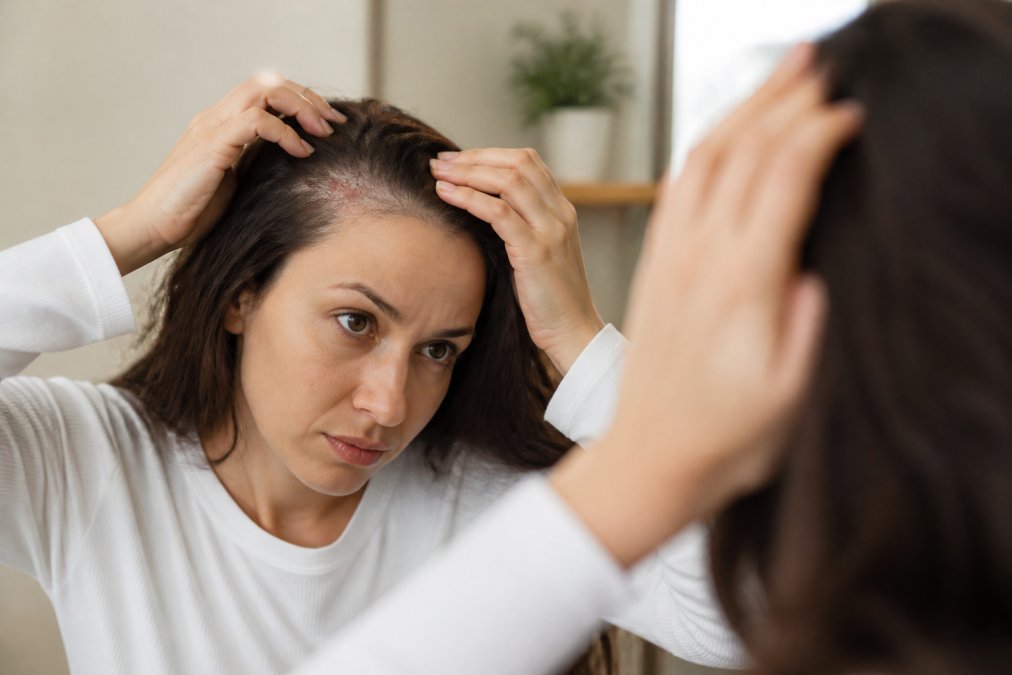
Scalp psoriasis is a chronic autoimmune condition appearing as scaling, erythema, and psoriatic plaques. Conventional approaches, medicated shampoos, topical steroids, and dermatologist visits, often manage visible scaling temporarily, yet the condition frequently returns because underlying systemic inflammation remains unaddressed.
Many women cycle through prescriptions that stop working, only to watch flare-ups return. Scalp psoriasis is not isolated to the skin; it reflects internal imbalances, including immune dysregulation and stress, that require a broader strategy.
This is where a holistic treatment for scalp psoriasis offers a different path. At Sophiatrichoholistic Hair Spa LLC, we combine Traditional Chinese Medicine with clinical trichology to treat the scalp as part of the whole body. The goal is symptom management alongside root-cause support.
The Root Causes of Scalp Psoriasis from a Holistic Perspective
A holistic view of scalp psoriasis looks beyond the plaques to the systems driving them. Three factors consistently appear in chronic cases: systemic inflammation, gut-skin axis disruption, and stress, each influencing immune behavior and skin cell turnover.
When the scalp's protective barrier is compromised, moisture escapes and irritants penetrate more easily, explaining why scaling and pruritus worsen with harsh shampoos or dry air. Restoring the barrier requires internal support, not just external application.
From a Traditional Chinese Medicine perspective, scalp psoriasis reflects heat and blood stasis, a diagnostic framework guiding treatment toward cooling inflammation and improving circulation. Combined with modern understanding of the scalp microbiome, this approach addresses both visible symptoms and the internal patterns sustaining them.
Step 1: How to Stop Scalp Itching with Targeted Soothing
The first priority in any holistic treatment for scalp psoriasis is breaking the itch-scratch cycle. Scratching damages the sensitive scalp, increases erythema, and can introduce infection. Targeted soothing calms the nerve endings responsible for pruritus and reduces the urge to scratch.
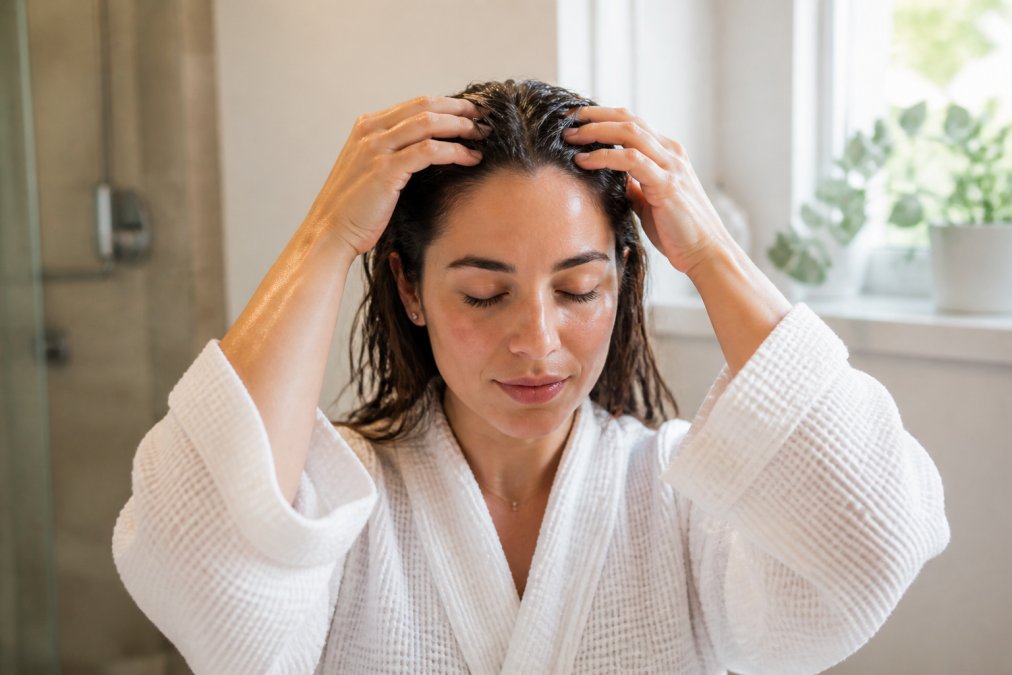
Start with a cool compress for five minutes before any topical treatment; cooling reduces local blood flow and dampens the itch signal. Follow with a fragrance-free moisturizer, as fragrances and alcohol often trigger sensitivity.
Avoid over-washing to remove scaling; it strips sebum, triggering rebound oiliness and flaking. Most women find washing every two to three days with lukewarm water keeps the scalp balanced.
Step 2: Topical Remedies and Application Protocols
Topical natural remedies are effective only when applied correctly; the difference between relief and disappointment often comes down to protocol. Always perform a patch test on your inner arm 24 hours before applying anything new, as scalp sensitivity varies.
Critical Safety Check: Interactions with Prescription Treatments
Before starting any natural topical, check for interactions with current medications. If using a prescription topical steroid (like clobetasol or fluocinonide) or vitamin D analog (like calcipotriene), do not apply natural oils or aloe vera immediately before or after; natural oils can increase steroid absorption, risking skin thinning (the FDA). Apply prescription in the morning and natural remedy at night, leaving at least 4-6 hours between. On biologics (like Humira or Taltz), natural topicals are generally safe, but always inform your dermatologist and rheumatologist.
Aloe Vera and Coconut Oil for Immediate Relief
Aloe Vera Protocol:
- Use pure aloe vera gel (look for 100% aloe with no added alcohol, fragrance, or green dye). Refrigerate the gel for 10 minutes before use to enhance its cooling effect.
- Part your hair in small sections (about 1 inch wide) to expose the scaly patches.
- Apply a thin layer (about 1-2 mm) directly to the affected areas using a cotton swab or clean fingertips. Do not rub it in; let it sit on the surface.
- Leave it on for exactly 20 minutes. Set a timer, leaving it longer does not increase efficacy and can cause the scalp to become overly macerated.
- Rinse with lukewarm water, then gently pat the scalp dry with a clean towel. Do not shampoo immediately after; wait at least 30 minutes.
- Frequency: Use this protocol once daily during an active flare-up, and reduce to 2-3 times per week for maintenance.
Coconut Oil Protocol:
- Use cold-pressed, unrefined coconut oil. Warm 1-2 teaspoons between your palms until it liquefies. Do not microwave it, overheating can degrade its beneficial fatty acids.
- Section your hair and massage the oil directly onto the scaly plaques using your fingertips in small, circular motions. Focus on the areas with thick scaling, not the entire scalp.
- Leave it on for 30 to 60 minutes. For very thick plaques, you can leave it on overnight under a shower cap, but only if you have a dry scalp type.
- To wash it out, apply a gentle, sulfate-free shampoo directly to the oily scalp before wetting your hair. This allows the shampoo to bind to the oil. Then add water, lather, and rinse thoroughly. You may need to shampoo twice.
- Frequency: Use 2-3 times per week. If you have an oily scalp, limit use to only the most scaly patches and wash out within 30 minutes to avoid clogging hair follicles.
Tea Tree Oil and Carrier Oils: Dilution Ratios and Application Steps
Tea tree oil is valued for its antimicrobial and anti-inflammatory properties but must never be applied undiluted. The correct dilution is 3 to 5 drops per 1 tablespoon (15 mL) of carrier oil, jojoba, sweet almond, or fractionated coconut oil (peer-reviewed research).
Step-by-Step Application:
- Mix oils in a small glass bowl (avoid plastic, which essential oils can degrade).
- Patch test on your inner arm 24 hours before first use.
- Part hair in sections and apply the blend to affected areas with a dropper or cotton ball, avoiding hair shafts.
- Massage into the scalp for 2-3 minutes.
- Leave on for 15 minutes on first use; extend to 20 minutes on subsequent uses if no burning or redness occurs, but never exceed 20 minutes.
- Rinse with lukewarm water, then shampoo gently (possibly twice).
- Use no more than twice per week, as tea tree oil can be overly drying.
Warning: Some women find tea tree oil too stimulating during active, weeping flare-ups. If you notice increased redness, burning, or heat, rinse immediately with cool water and apply plain aloe vera gel. Do not use tea tree oil again until the flare-up subsides.
| Remedy | Application Method | Leave-On Time | Frequency | Wash-Out Method | Best For |
|---|---|---|---|---|---|
| Aloe vera gel | Thin layer on affected areas | 20 minutes | Daily during flare-ups | Rinse with lukewarm water | Immediate itch relief and cooling |
| Coconut oil | Warm massage into scaling | 30-60 minutes (or overnight for thick plaques) | 2-3 times per week | Sulfate-free shampoo before wetting | Softening thick plaques |
| Tea tree oil + carrier | 3-5 drops per tablespoon, massage in | 15-20 minutes | Max 2 times per week | Shampoo twice | Antimicrobial support and reducing scaling |
Step 3: Scalp Psoriasis Diet and Nutrition for Healing
A scalp psoriasis diet and nutrition plan focuses on reducing systemic inflammation from the inside, as food directly influences immune response and can trigger or calm flare-ups.
Many women find that reducing refined sugar and dairy helps within weeks, as these foods promote inflammation. Increasing omega-3s from fish, flaxseed, and walnuts supports anti-inflammatory response, while colorful vegetables and fruits provide antioxidants that protect skin cells.
Hydration is equally important; the scalp requires adequate water intake for moisture retention and healthy cell turnover. Aim for steady consumption throughout the day.
Start Your Hair & Scalp Healing Journey →
Step 4: The TCM Approach to Skin Health and Inflammation
The TCM approach to skin health treats scalp psoriasis as a manifestation of internal disharmony rather than an isolated surface problem. In Traditional Chinese Medicine, the skin reflects the state of the blood, digestive system, and energy flow.
Acupuncture and herbal medicine are cornerstones of this approach. Acupuncture points cool inflammation, move stagnant blood, and calm the stress response that triggers flare-ups. Chinese herbal formulas are customized to each woman's pattern, addressing the specific heat, dampness, or blood deficiency driving her condition.
This framework complements clinical trichology, which examines the scalp and hair follicles structurally. While trichology identifies what is happening on the scalp, TCM explains why the body produces those symptoms. Together, they form a holistic treatment for scalp psoriasis supporting both the visible scalp and internal regulating systems.
Step 5: Lifestyle Hacks to Prevent Stress-Induced Flare-Ups
Stress is one of the most reliable triggers for scalp psoriasis flare-ups; when stress hormones rise, inflammation increases and the scalp often shows effects within days. Managing stress is a core component of a holistic plan. Scalp-specific lifestyle hacks, practical hair care adjustments that reduce mechanical irritation, prevent stress-induced flare-ups from worsening.
Scalp-Specific Hair Care Hacks
Shampooing Technique: Use your fingertips, not nails, to massage shampoo into your scalp; nails create micro-tears that can trigger the Koebner phenomenon. Use lukewarm water, hot water strips protective sebum and increases inflammation.
Brush Selection and Technique: Avoid stiff nylon or metal-pin brushes that scratch the scalp and dislodge plaques. Use a wide-tooth comb or soft boar-bristle brush, brushing gently from ends to roots. Never brush directly over an active plaque. Clean your brush weekly with warm water and a drop of tea tree oil.
Heat Styling Avoidance: Heat styling tools dry out the scalp, worsening scaling, and increase blood flow, which paradoxically increases inflammation in psoriatic plaques. If you must use a blow dryer, use the cool setting and hold it at least 6 inches from your scalp. Avoid flat irons and curling wands entirely during a flare-up.
Hair Washing Frequency: Avoid over-washing to remove scaling; it strips sebum, triggering rebound oiliness and flaking. Most women find washing every two to three days with lukewarm water keeps the scalp balanced. On non-wash days, use a dry shampoo for sensitive scalps.
Stress Reduction Protocols That Work
Box breathing, four counts in, held, out, held, performed for five minutes activates the parasympathetic nervous system and lowers stress hormones. Many women pair this with a short walk outdoors.
Progressive Muscle Relaxation: Tense and relax each muscle group in sequence, from toes to face, for about 10 minutes, particularly before bed. Tension in neck and jaw muscles restricts blood flow to the scalp.
Sleep Quality and Scalp Health: Poor sleep raises inflammatory markers and impairs the skin's overnight repair cycle. Prioritizing seven to eight hours of consistent sleep is one of the most effective scalp psoriasis lifestyle hacks. Keep your bedroom cool (around 65°F), use a silk or satin pillowcase, and avoid screens for 30 minutes before bed.
Contraindications and When to Consult a Professional
Natural remedies are not risk-free. Pregnant or nursing women should consult their obstetrician before using essential oils, including tea tree oil (the NIH). Women taking blood-thinning medication should avoid high doses of fish oil supplements without medical approval.
If using prescription topical steroids, do not stop abruptly. Introduce natural remedies gradually alongside current treatment and work with your dermatologist to adjust medications over time; sudden withdrawal can cause a rebound flare.
A holistic treatment for scalp psoriasis is most effective when guided by someone who understands both natural medicine and clinical scalp health. At Sophiatrichoholistic Hair Spa LLC, our Licensed Acupuncture Physician and Certified Holistic Trichologist designs personalized protocols integrating TCM with modern trichology. We treat women exclusively.
Managing scalp psoriasis holistically requires patience, consistency, and addressing internal factors conventional treatments often overlook. The steps outlined here, from targeted soothing to dietary changes and stress management, form a foundation for sustainable relief. For women who have tried conventional options without lasting results, a personalized approach combining Traditional Chinese Medicine with clinical trichology offers a different path forward. Get started with Sophiatrichoholistic Hair Spa LLC today.
Frequently Asked Questions
How do you naturally get rid of scalp psoriasis?
Naturally managing scalp psoriasis involves reducing inflammation and soothing the skin. Start by applying aloe vera gel directly to the scalp to cool irritation. Use coconut oil as a natural emollient to soften plaques before gentle exfoliation. Incorporating omega-3-rich foods and reducing sugar may help lower systemic inflammation. Dead Sea salt baths can also ease scaling. Consistency is key, and combining these with stress management techniques often yields the best results.
Can Traditional Chinese Medicine help with scalp psoriasis?
Yes, the TCM approach to skin health focuses on balancing internal energy and clearing heat from the body. A practitioner may recommend specific herbal formulas or acupuncture to address the root cause of inflammation. This perspective views scalp psoriasis as a sign of internal imbalance rather than just a surface issue. Many find TCM helpful when used alongside conventional dermatological care. Always inform your primary care physician about any herbal supplements you are taking.
What is the root cause of scalp psoriasis from a holistic perspective?
Holistic practitioners view scalp psoriasis as an autoimmune condition driven by systemic inflammation. Triggers often include chronic stress, poor diet, and gut health imbalances. This inflammation manifests as the rapid skin cell turnover that creates psoriatic plaques and scaling. A holistic treatment plan aims to calm the immune response through nutrition, stress reduction, and topical botanicals that support the skin barrier. Identifying your personal triggers is a critical first step in managing flare-ups.
What lifestyle changes support scalp health for those with psoriasis?
Managing stress is the most impactful change, as stress-induced flare-ups are common. Incorporate daily practices like meditation or gentle yoga to lower cortisol. Protect your scalp from harsh weather and avoid scratching, which worsens erythema. Choose hypoallergenic hair care products that do not strip natural oils. Prioritizing sleep and regular exercise also helps regulate the immune system. These habits, when combined with topical treatment, create a supportive environment for healing and reduce pruritus.