 How-to
What Lifestyle Changes Help Prevent Seborrheic Dermatitis?
Last Updated: November 4, 2026
Quick Summary
To help prevent seborrheic dermatitis flare-ups, use gentle, consistent scalp care and track symptoms alongside products, stress, sleep, weather, and other possible triggers. Change one habit at a time, avoid scratching and harsh products, and follow medical advice; lifestyle changes do not cure the condition.
- Wash with lukewarm water, massage with fingertips, and rinse well.
- Use a cool, damp cloth briefly to soothe itching without scratching.
- A food diary may reveal recurring patterns, but it cannot prove a food caused a flare.
- Wash pillowcases, sheets, hats, and towels regularly.
Table of Contents
- Lifestyle Changes to Prevent Seborrheic Dermatitis Flare-Ups
- Step 1: Build a Holistic Scalp Care Routine
- Step 2: Learn How to Stop Scalp Itching Without Irritating Skin
- Step 3: Track Dietary Triggers for Seborrheic Dermatitis
- Step 4: Adjust for Stress, Sleep, Seasons, and Home Triggers
- Step 5: Avoid Common Habits That Can Worsen Scalp Flares
- Plan Your Next Step With a Scalp Care Professional
- Frequently Asked Questions
Lifestyle Changes to Prevent Seborrheic Dermatitis Flare-Ups
Lifestyle changes to prevent seborrheic dermatitis focus on gentle scalp care and noticing what sets off your symptoms. Seborrheic dermatitis is a chronic skin condition that can cause dandruff, redness, itching, and flaking. This guide explains practical habits to try and when to seek professional advice.
There is no single routine that works for everyone. The goal is to reduce avoidable irritation while following medical advice; lifestyle steps do not cure the condition. The [American Academy of Dermatology’s seborrheic dermatitis guidance | aad.org] explains common care options and when to seek help.
Start with a simple record: note scalp symptoms, products, weather, sleep, and stress. Change one habit at a time. That makes patterns easier to spot than changing your diet, shampoo, and routine all at once.
Step 1: Build a Holistic Scalp Care Routine
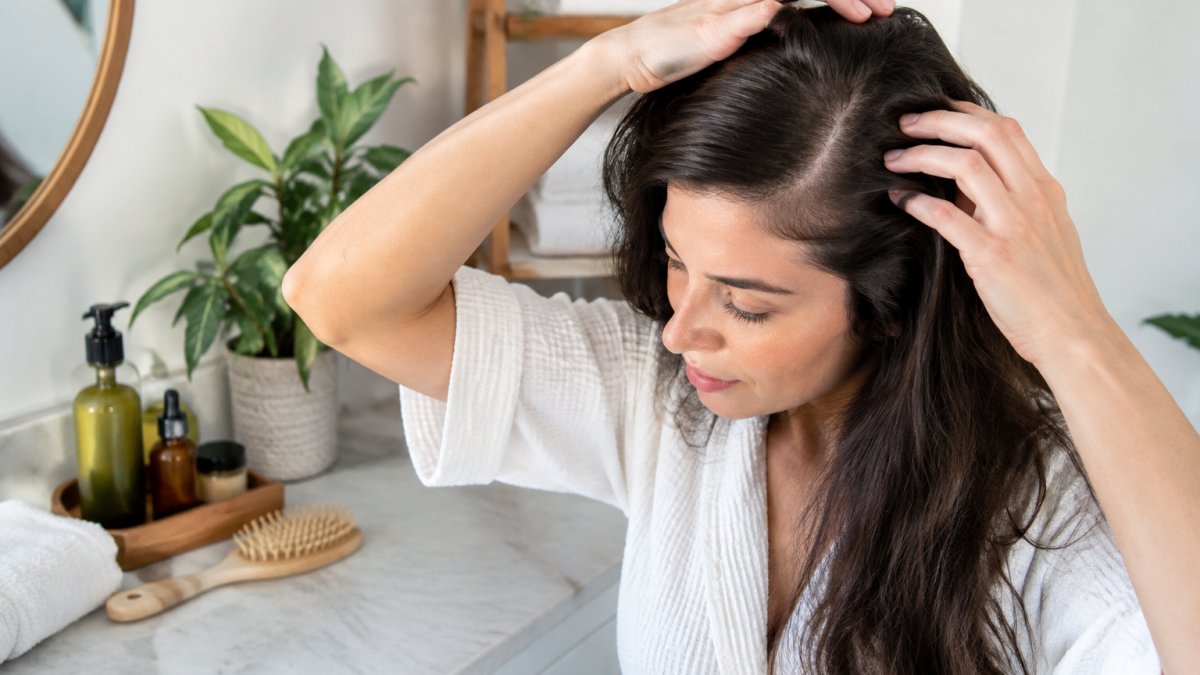
A holistic scalp care routine should be gentle, steady, and easy to track. Use a mild, fragrance-free cleanser and follow directions on any medicated shampoo recommended by a clinician. A moisturizer made for the scalp may help with dryness, but stop using it if irritation worsens.
A common mistake is scrubbing hard to remove flakes. That can irritate the skin barrier and make discomfort worse.
- Wash with lukewarm water.
- Massage with fingertips, not nails.
- Rinse well to remove product residue.
- Track changes before adding new products.
Dandruff and seborrheic dermatitis can look alike, but persistent redness, itching, or a scaly rash deserves medical review. The [National Institute of Arthritis and Musculoskeletal and Skin Diseases overview | niams.nih.gov] offers general information on skin conditions and care.
Step 2: Learn How to Stop Scalp Itching Without Irritating Skin
To learn how to stop scalp itching, avoid scratching and use a cool, damp cloth for brief comfort. Scratching can break the skin and add irritation, while strong scents and harsh products can make a sensitive scalp feel worse.
Try these steps:
- Press a cool cloth on the itchy area.
- Keep nails short to limit skin damage.
- Pause new hair products if symptoms flare.
- Ask a clinician about ongoing pruritus.
The practical point is to calm the urge without adding friction. For more ideas, read ways to relieve scalp itching.
Step 3: Track Dietary Triggers for Seborrheic Dermatitis
There is no established diet that prevents seborrheic dermatitis, and a food diary cannot prove that a particular food caused a flare. Still, a structured record can help you notice whether symptoms repeatedly change alongside meals, stress, sleep, or treatment. This is a more useful approach than cutting out several foods at once.
For a few weeks, record:
- What you ate and drank, with approximate meal times.
- When itching, redness, or flaking changed, and where it appeared.
- Shampoo, skin-care products, and any treatment used that day.
- Sleep quality, stress, illness, and notable weather or indoor-air changes.
Look for a pattern that repeats, not a single flare after a meal. Seborrheic dermatitis naturally waxes and wanes, and several factors can change at the same time. If you suspect a food, discuss the pattern with a health professional before eliminating it; restrictive diets can make it harder to meet nutritional needs and may not improve the skin.
The gut-skin axis is a developing area of research: signals involving digestion, immune activity, and inflammation may be relevant to skin health. That broad connection does not establish that a specific food, supplement, or “gut reset” prevents seborrheic dermatitis. Treat claims about sugar, alcohol, dairy, or a low-glycemic diet as hypotheses to discuss, not proven triggers or treatments.
Watch out: Do not stop prescribed treatment or start supplements in place of care based on a food diary or online claims.
The article on dietary changes for scalp health offers more context.
Start Your Hair & Scalp Healing Journey →
Step 4: Adjust for Stress, Sleep, Seasons, and Home Triggers
Stress, sleep disruption, indoor air, and changing weather may coincide with flares, but none is a universal cause. Use a simple weekly check-in to connect these conditions with your symptoms and treatment rather than trying to control everything at once.
When seasons change:
- In colder, drier weather, indoor heating can make the air feel dry. Notice whether tightness or flaking increases, and avoid very hot showers and harsh cleansing that can add irritation.
- In warm or humid weather, sweat and product buildup may bother some people. Rinse after heavy sweating when practical, then dry the scalp gently; avoid leaving damp hats or headwear on for long periods.
- When moving between seasons, keep your established treatment routine steady unless your clinician advises a change. Record weather, indoor conditions, and symptoms so you can distinguish a recurring seasonal pattern from coincidence.
Check bedding and laundry as possible irritants:
- Wash pillowcases, sheets, hats, and towels regularly, especially items that collect sweat or hair products.
- If a detergent or fabric softener seems to irritate skin that touches bedding or clothing, try a fragrance-free option and change only that product first.
- Rinse laundry thoroughly and avoid adding scented sprays to pillowcases or hats. A fabric or detergent may irritate sensitive skin, but it does not cause seborrheic dermatitis in everyone.
- Keep a record of changes and give each one time to assess; switching detergent, shampoo, and bedding together makes it difficult to identify what mattered.
A consistent sleep schedule and a brief wind-down routine, such as quiet reading or slow breathing, can make stress and sleep easier to manage. These habits support general well-being; they are not a substitute for treatment. If symptoms are affecting mood, sleep, or daily activities, tell a health professional rather than treating that impact as something you simply have to tolerate.
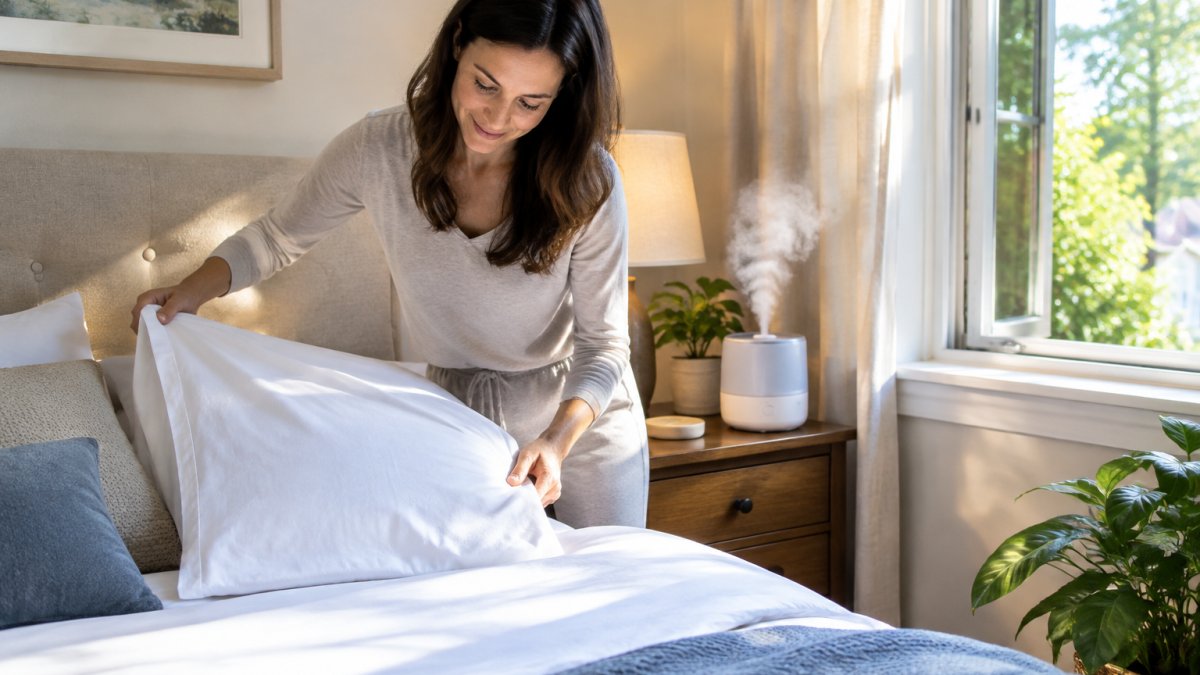
Watch out: Do not aim to make a bedroom damp or use a humidifier without cleaning it as directed; excess moisture and poorly maintained equipment can create other indoor-air problems.
If a product or fabric seems linked to irritation, change one thing at a time. The holistic guide to seborrheic dermatitis covers broader lifestyle approaches.
Use this check-in to notice possible triggers and make changes one at a time.
| Factor | What to track or try | Frequency or timing |
|---|---|---|
| Stress and sleep | Record stress and sleep quality; keep a consistent sleep schedule | Weekly check-in |
| Weather and indoor air | Note weather, indoor conditions, and symptom changes | When seasons change |
| Sweat and headwear | Rinse after heavy sweating; dry the scalp gently | When practical |
| Bedding and laundry | Wash pillowcases, sheets, hats, and towels regularly | Regularly |
| Possible irritants | Change one detergent or fabric product first | One change at a time |
Step 5: Avoid Common Habits That Can Worsen Scalp Flares
The best habit to drop is aggressive “flake removal.” Picking, scratching, and layering essential oils or scented products can irritate the scalp; natural does not always mean gentle.
Watch out: applying undiluted essential oils to an inflamed scalp can trigger irritation.
- Avoid very hot water and rough scrubbing.
- Do not stop prescribed treatment without medical advice.
- Skip products that repeatedly cause burning or redness.
- Ask a clinician before trying aloe vera or other remedies.
Zinc pyrithione and other active ingredients may appear in scalp products, but product rules and availability can change. Check the label and ask a dermatologist which topical treatment fits your needs. The [FDA’s consumer information on cosmetic products | fda.gov] explains how to report a reaction to a cosmetic (the FDA).
Plan Your Next Step With a Scalp Care Professional
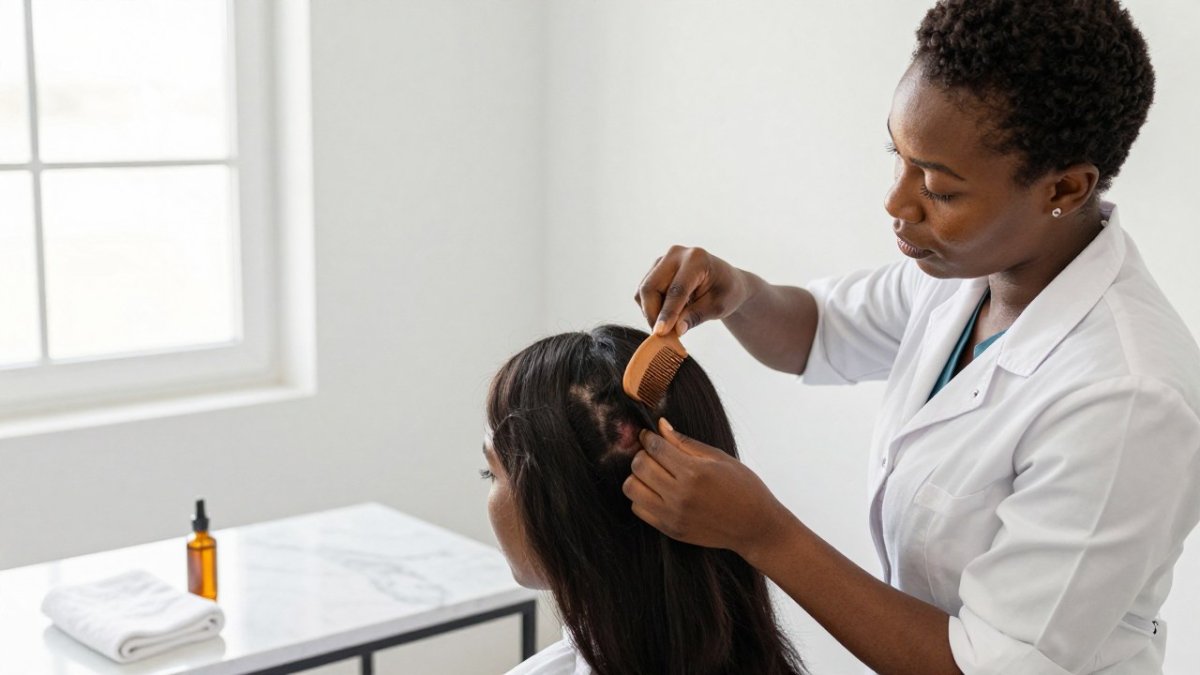
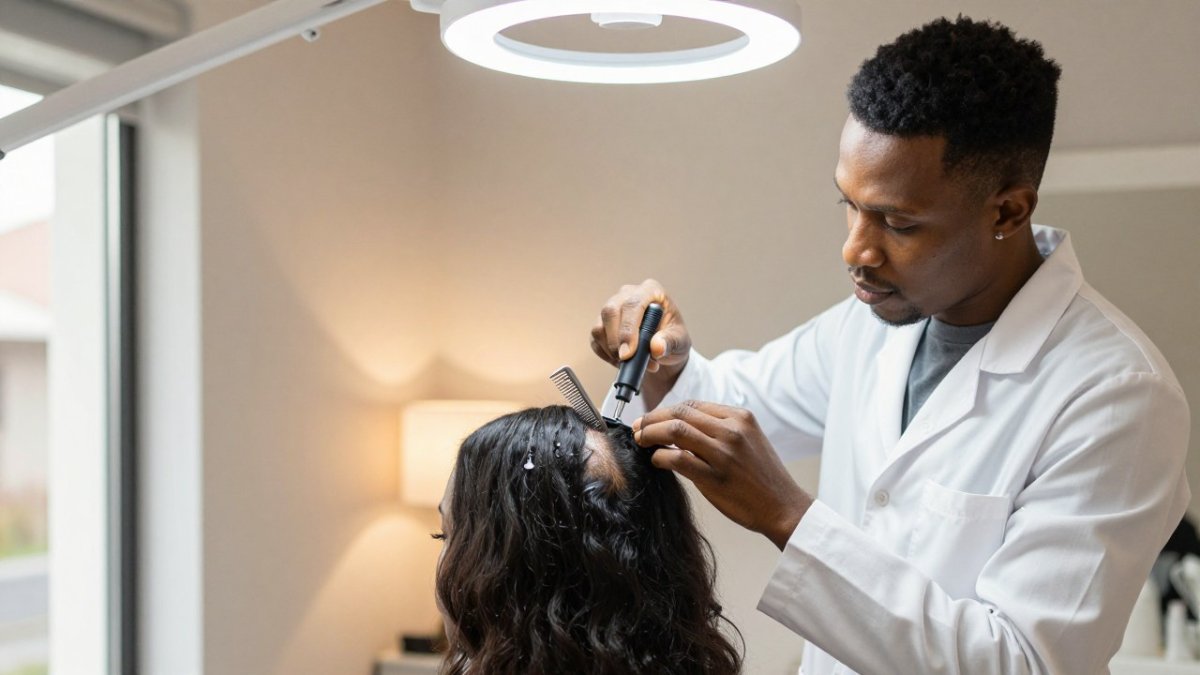
A scalp care professional can help you review symptoms, products, and daily habits without assuming one trigger explains every flare. Seek medical advice for severe, persistent, painful, or spreading symptoms, or if you are unsure whether the problem is dermatitis.
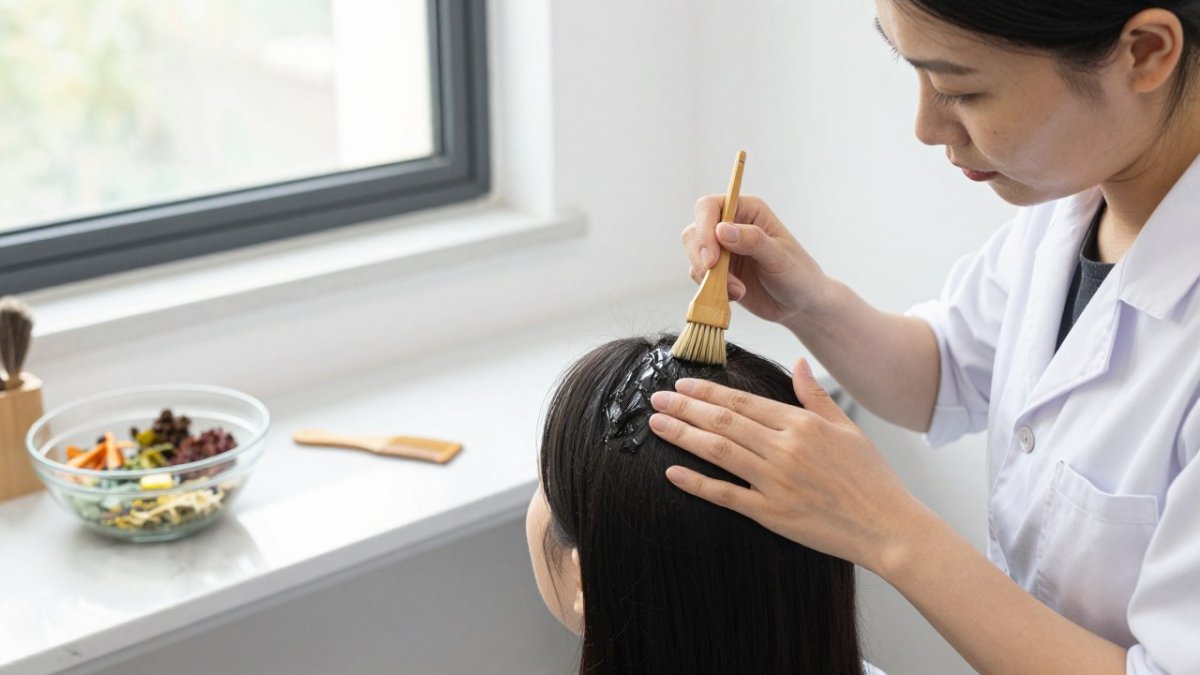
At Sophiatrichoholistic Hair Spa LLC, care combines Traditional Chinese Medicine with clinical trichology, with services for women ages 18 to 65. For personalized support, see scalp care appointment bookings.
Frequently Asked Questions
What lifestyle changes help prevent seborrheic dermatitis flare-ups?
Use a gentle, fragrance-free scalp routine, avoid scratching and irritating products, and track changes in symptoms alongside stress, sleep, weather, and hair-care habits. Wash away excess oil and product buildup without scrubbing aggressively. These steps can support symptom management, but seborrheic dermatitis is a chronic condition, so lifestyle changes do not guarantee prevention or replace dermatological care.
How can I stop scalp itching from seborrheic dermatitis?
To manage itching, avoid scratching, which can further irritate inflamed skin. Use a gentle cleanser and avoid products that sting or contain fragrances or essential oils if they aggravate your scalp. Medicated shampoos and other topical treatments may be appropriate, so ask a qualified clinician which options fit your symptoms. Seek professional advice if itching persists, worsens, or comes with significant redness or discomfort.
Are there dietary triggers for seborrheic dermatitis?
There is no single diet established here as a way to prevent seborrheic dermatitis, and individual triggers can differ. Keep a simple food and symptom log rather than cutting out several foods at once. Note patterns involving meals, alcohol consumption, and flare-ups, then discuss persistent patterns with a qualified health professional. Avoid restrictive changes without guidance, especially if they affect your nutrition or overall health.
Can stress and poor sleep make seborrheic dermatitis symptoms worse?
Stress and disrupted sleep are useful factors to track when symptoms flare, though they do not explain every episode. A consistent bedtime, a calming wind-down routine, and practical stress-management habits can support general well-being while you follow an appropriate scalp-care plan. Record sleep and stress alongside itching, flaking, and product use. If symptoms remain difficult to manage, consult a dermatologist or other qualified clinician.
Managing a chronic scalp condition can be frustrating, especially when symptoms return. Get started with Sophiatrichoholistic Hair Spa LLC to discuss an individualized approach that draws on clinical trichology and Traditional Chinese Medicine.