 blog
Is Salicylic Acid Safe for Sensitive Scalps
Table of Contents
- What Salicylic Acid Does on the Scalp
- Salicylic Acid Shampoo for Sensitive Scalp: Can You Use It Safely
- Salicylic Acid Shampoo Side Effects You Should Know
- How Often to Use Salicylic Acid Shampoo on Sensitive Scalps
- Who Should Avoid Salicylic Acid Products
- Alternatives to Salicylic Acid Shampoo for Scalp Relief
- Building a Safe Scalp Care Routine for Sensitive Skin
- Frequently Asked Questions
Last Updated: October 13, 2026
What Salicylic Acid Does on the Scalp
Salicylic acid is a beta hydroxy acid that works as a keratolytic agent, breaking down dead skin cells on the scalp surface. Applied topically, it loosens buildup of flakes, oil, and cellular debris.
It dissolves the bonds holding dead skin cells together, reducing visible flaking and improving scalp texture, which is why dermatologists have recommended it for dandruff and seborrheic dermatitis for decades.
But that exfoliating power carries risk: the acid doesn't distinguish between dead skin cells and healthy ones. The question of whether is salicylic acid safe for sensitive scalps depends on how it's used, as it can trigger irritation, dryness, redness, and itching on reactive skin.
Salicylic Acid Shampoo for Sensitive Scalp: Can You Use It Safely
Is salicylic acid safe for sensitive scalps? It depends on three factors: concentration, contact time, and frequency. Many people with sensitive scalps tolerate low-concentration salicylic acid when applied correctly, start low, test first, and monitor your scalp's response.
Concentration and Contact Time Matter
Low-concentration products (0.5% to 1%) are gentler and better suited for sensitive scalps; these rinse-off formulations spend only a few minutes on the scalp, limiting irritation risk.
Higher-concentration products (2% and above) are more aggressive, found in medicated or prescription-strength treatments. They're designed for tougher conditions like severe psoriasis or resistant seborrheic dermatitis, not sensitive skin.
Contact time matters enormously: a rinse-off shampoo washed out after two minutes poses far less risk than a leave-on treatment left for hours. For a sensitive scalp, choose a rinse-off formula and don't exceed the label's contact time.
Patch Testing Before Full Use
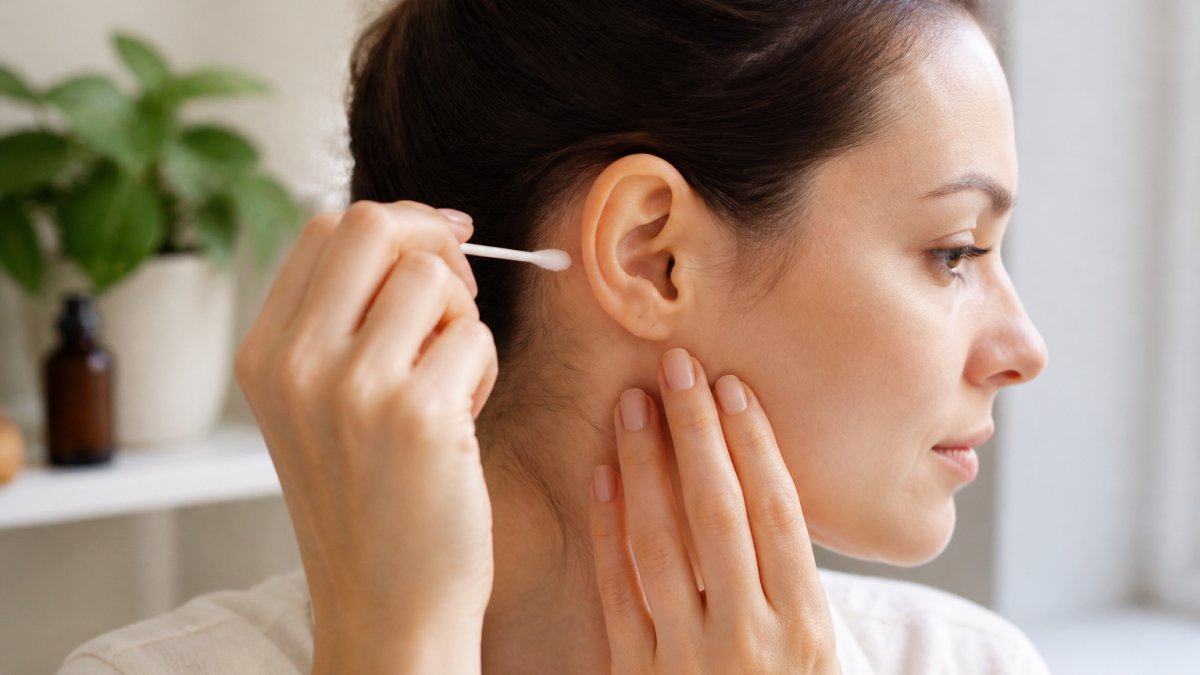
Before using any salicylic acid product, patch test to prevent a full-scalp reaction.
How to patch test:
- Apply a small amount of the product behind your ear or on a dime-sized area of scalp
- Leave it for the recommended contact time (usually 5-10 minutes)
- Rinse thoroughly
- Wait 24-48 hours and observe the area
If you see redness, swelling, burning, or itching, do not use the product on your full scalp, it's too strong. If there's no reaction, try it on your full scalp once weekly, not daily; jumping straight to regular use is a common mistake that leads to irritation.
Salicylic Acid Shampoo Side Effects You Should Know
Salicylic acid carries real risks, especially for sensitive or compromised scalps.
Common Irritation Responses
The most frequent side effects of salicylic acid are irritation-related:
- Dryness and tightness: The scalp feels parched, sometimes flaky or tight
- Redness: The scalp becomes visibly red or inflamed
- Itching and burning: A stinging or burning sensation during or after application
- Increased flaking: Paradoxically, some people see more flakes initially as the acid loosens buildup
- Sensitivity to other products: Once irritated, the scalp may react badly to products it previously tolerated
These reactions are dose-dependent: lower concentrations and shorter contact times cause fewer side effects. But even "gentle" products can trigger irritation in truly sensitive scalps.
People with eczema-prone scalps, psoriasis, or active inflammation are at higher risk. If your scalp already itches, burns, or feels raw, salicylic acid will likely make it worse before better.
When to Stop and Seek Professional Guidance
Stop using salicylic acid immediately if you experience:
- Severe burning or stinging that doesn't subside after rinsing
- Blistering, oozing, or signs of infection
- Swelling of the scalp or face
- Persistent redness that lasts more than a few hours after use
- Worsening of your existing scalp condition
If irritation occurs, rinse with cool water and switch to a gentle, fragrance-free shampoo for at least a week, avoiding other actives and heat styling.
Consult a dermatologist or trichologist if irritation persists or if your scalp condition worsens.
How Often to Use Salicylic Acid Shampoo on Sensitive Scalps
Using salicylic acid too often is one of the fastest ways to damage a sensitive scalp.
Safe frequency guidelines for sensitive scalps:
- Once weekly: A reasonable starting point for low-concentration products
- Twice weekly: Only if your scalp tolerates weekly use without irritation
- Daily: Not recommended for sensitive scalps, even with low-concentration products
The temptation is to use it more often when you see results, but pushing frequency exhausts your scalp's protective barrier, making it even more sensitive and reactive. Think of it like exfoliating facial skin: once or twice weekly, not daily.
If you're not seeing improvement after four weeks of weekly use, the product likely isn't right for you. Switching to a different approach is better than increasing frequency.
Who Should Avoid Salicylic Acid Products
"Sensitive scalp" is not one condition, it covers mildly reactive, dry, barrier-compromised, eczema-prone, psoriasis, and actively inflamed scalps. Salicylic acid suits some groups and not others; the list below is a decision guide, not a blanket warning.
The three-tier decision guide
Tier 1, Likely reasonable with caution: Your scalp reacts to strong fragrances or sulfate-heavy shampoos, feels tight after washing, or flakes mildly in winter, with no active rash, open skin, or diagnosed inflammatory condition.
Start Your Hair & Scalp Healing Journey →
Tier 2, Proceed only with a professional's input: You have diagnosed or suspected eczema (atopic dermatitis), cyclical seborrheic dermatitis, or psoriasis, or you color, relax, or chemically straighten your hair, or use prescription scalp topicals.
Why each Tier 3 condition is excluded
The mechanism matters more than the label. Salicylic acid dissolves intercellular bonds in the outermost skin layer: on intact skin that loosens flakes, but on broken or inflamed skin it removes a barrier already struggling to repair itself, so raw or oozing scalps get worse. A salicylate allergy is separate, an immune response to the compound itself, so no concentration is safe.
The groups competitors under-serve
The mildly sensitive scalp is most often left without clear guidance. If your only symptom is occasional tightness or light flaking, salicylic acid isn't forbidden, but it isn't a daily staple either. The middle path: a low-concentration rinse-off product, once weekly, patch tested first, with a hard stop if irritation appears.
Concurrent treatments and stacking risk
Salicylic acid stacks poorly with other exfoliating or barrier-stripping actives. If you already use a retinoid, alpha hydroxy acid, benzoyl peroxide wash, or prescription scalp topical, adding salicylic acid multiplies irritation risk rather than benefit. Space actives apart or choose one, including medicated dandruff actives, unless a clinician says otherwise.
When in doubt, test the smallest possible area first
If you're unsure which tier you fall into, patch test and start at the lowest available concentration. A scalp that tolerates a small test area for 48 hours gives you real information; one that doesn't saves you a week of recovery.
Alternatives to Salicylic Acid Shampoo for Scalp Relief
Alternatives are not interchangeable with salicylic acid, they work through different mechanisms and suit different scalp problems. The comparison below is organized by what each active does.
How the main alternatives compare
Zinc pyrithione is an antimicrobial that reduces Malassezia, the yeast behind dandruff and seborrheic dermatitis.
Ketoconazole is an antifungal that also targets Malassezia and is most often recommended for seborrheic dermatitis (the American Academy of Dermatology).
Coal tar slows the rapid cell turnover that produces scale, making it useful for psoriasis-related scaling and stubborn seborrheic dermatitis.
Tea tree oil has antimicrobial and anti-inflammatory properties and appears in many gentle scalp products.
Physical exfoliation with a soft silicone scalp brush or massage tool loosens flakes mechanically without actives.
Matching the active to the problem
- Mild flaking, sensitive scalp, no redness: zinc pyrithione or physical exfoliation
- Flaking with itching and greasy scale (likely seborrheic dermatitis): ketoconazole, with zinc pyrithione as a gentler alternative
- Thick, adherent scale (psoriasis-type): coal tar or a clinician-guided keratolytic, not a solo over-the-counter swap
- Barrier-compromised or reactive scalp: physical exfoliation and a fragrance-free gentle wash first, actives later
- You want the gentlest possible active: zinc pyrithione or tea tree oil, accepting slower results
What the evidence does and does not support
Zinc pyrithione and ketoconazole have decades of use for dandruff and seborrheic dermatitis and are commonly recommended by dermatologists. Coal tar has a long history for psoriasis-related scaling. Tea tree oil has smaller, more mixed evidence and is best treated as supportive rather than primary. None directly substitute for salicylic acid in every situation, they solve different problems, and switching without matching the mechanism is why many people cycle through products without improvement.
Holistic approaches to scalp health
Beyond topical actives, scalp condition is influenced by factors no shampoo addresses. Hydration supports barrier function, and a dehydrated scalp is more reactive. Stress affects hormone balance and inflammatory signaling, both visible on the scalp. Nutrition matters too: deficiencies in zinc, iron, B vitamins, and omega-3 fatty acids are associated with scalp issues and hair shedding, and correcting them often helps more than another topical. Poor sleep worsens inflammation and existing scalp conditions. These aren't replacements for treating an active scalp condition, they're the background conditions that determine how well any topical, salicylic acid or otherwise, is tolerated.
Building a Safe Scalp Care Routine for Sensitive Skin
A sustainable routine for sensitive scalps focuses on protection, not aggression.
Start with the basics:
- Use a gentle, sulfate-free shampoo designed for sensitive scalps
- Condition from mid-length down, avoiding heavy products on the scalp
- Rinse with cool water to calm inflammation
- Pat dry gently, avoid vigorous rubbing
Add targeted support:
- If using any active ingredient, limit to once weekly
- Space actives apart, don't combine salicylic acid with retinoids, vitamin C, or other exfoliants
- Always follow with a hydrating scalp treatment or lightweight oil
- Avoid heat styling and tight hairstyles that stress the scalp
Monitor and adjust:
- Keep a simple log of what you use and how your scalp responds
- If irritation appears, pause everything and return to basics for one week
- Reintroduce products one at a time, waiting a week between additions
- Trust your scalp's signals, if it's uncomfortable, something needs to change
The goal is a calm, balanced scalp that doesn't require constant intervention. For many people, especially those with chronic conditions like psoriasis or seborrheic dermatitis, this balance comes from addressing underlying causes rather than treating symptoms with harsh actives.
Sensitive scalps need personalized care, not one-size-fits-all solutions. If you've struggled with scalp irritation from conventional treatments, a holistic approach that combines scalp health with internal balance may offer the relief you're looking for. At Sophiatrichoholistic Hair Spa LLC, we help women with chronic scalp conditions restore their scalp microbiome and reduce inflammation through integrated Traditional Chinese Medicine and clinical trichology.
Frequently Asked Questions
Can salicylic acid irritate a sensitive scalp?
Yes, salicylic acid can irritate sensitive scalps, especially at higher concentrations or with frequent use. It works by exfoliating dead skin cells and loosening flakes, which can trigger redness, itching, dryness, or burning sensations in people with sensitive skin, eczema-prone scalps, or existing inflammation. Start with lower concentrations (0.5-1%), limit use to once weekly, and always patch test first. If irritation develops, reduce frequency or discontinue use and consult a healthcare provider.
How often should you use salicylic acid shampoo on a sensitive scalp?
For sensitive scalps, use salicylic acid shampoo no more than once weekly, and only after confirming tolerance through a patch test. Some people with very reactive scalps may tolerate it only every 10-14 days. Begin with the lowest frequency and lowest concentration available, then gradually increase only if no irritation occurs after 2-3 uses. Never exceed the product's recommended frequency, and discontinue immediately if redness, itching, or dryness develops.
What are the side effects of salicylic acid on the scalp?
Common side effects include itching, redness, dryness, flaking, and a burning or stinging sensation. Overuse or use on very sensitive skin can worsen these effects or cause scalp barrier damage. Less common but serious reactions include severe inflammation, allergic contact dermatitis, or worsening of existing conditions like seborrheic dermatitis or psoriasis. If side effects persist beyond the first few uses or worsen, stop use and consult a dermatologist or trichologist.
What can you use instead of salicylic acid for a sensitive scalp?
Gentler alternatives include zinc pyrithione, sulfur-based treatments, or mild exfoliants like gluconolactone. Many people find relief through approaches like tea tree oil, aloe vera, or scalp massage to improve circulation and reduce buildup. Consult a trichologist to identify the best option for your specific scalp condition.