 How-to
Holistic Remedies for Androgenetic Alopecia: A Step-by-Step Guide
Table of Contents
- Understanding Androgenetic Alopecia and Hormonal Hair Loss in Women
- Step 1: Assess Your Hair Loss and Identify Root Causes
- Step 2: Optimize Nutrition for Hair Growth
- Step 3: Implement Scalp Massage for Hair Growth and Circulation
- Step 4: Address Hormonal Imbalance Through Holistic Practices
- Step 5: Explore Natural Remedies for Female Pattern Hair Loss
- Step 6: Establish Realistic Timelines and Track Progress
- Common Mistakes to Avoid
- Frequently Asked Questions
Last Updated: October 17, 2026
Understanding Androgenetic Alopecia and Hormonal Hair Loss in Women
Androgenetic alopecia is pattern hair loss driven by hormones and genetics, and holistic remedies for androgenetic alopecia address these root causes naturally. At Sophiatrichoholistic Hair Spa LLC, we work with women who experience this condition and understand how hormonal shifts trigger accelerated shedding.
How androgens and the hair growth cycle interact
Each strand moves through distinct phases: the anagen phase, when hair actively grows for several years, then the telogen phase, when hair rests and eventually sheds.
Dihydrotestosterone (DHT) can shorten the anagen phase, so hair enters the shedding phase too early, resulting in thinner hair density and more visible scalp.
Genetics determine your hair follicles' sensitivity to androgens: some women have follicles highly reactive to DHT, others minimal response.
Why pattern hair loss accelerates during hormonal shifts
During perimenopause and menopause, estrogen and progesterone decline, shifting the balance in favor of androgens even if total androgen levels haven't changed.
Postpartum hair loss works differently: pregnancy's elevated estrogen keeps more hair in the anagen phase; after delivery, estrogen drops sharply and that hair sheds all at once, causing noticeable thinning within 2-4 months postpartum.
When thyroid function drops, it can trigger diffuse hair shedding that often occurs alongside pattern hair loss. Chronic stress keeps cortisol elevated, pushing hair follicles into the telogen phase prematurely.
Step 1: Assess Your Hair Loss and Identify Root Causes
Different hair loss patterns respond to different approaches, and misdiagnosis wastes time and money.
Distinguishing androgenetic alopecia from other shedding patterns
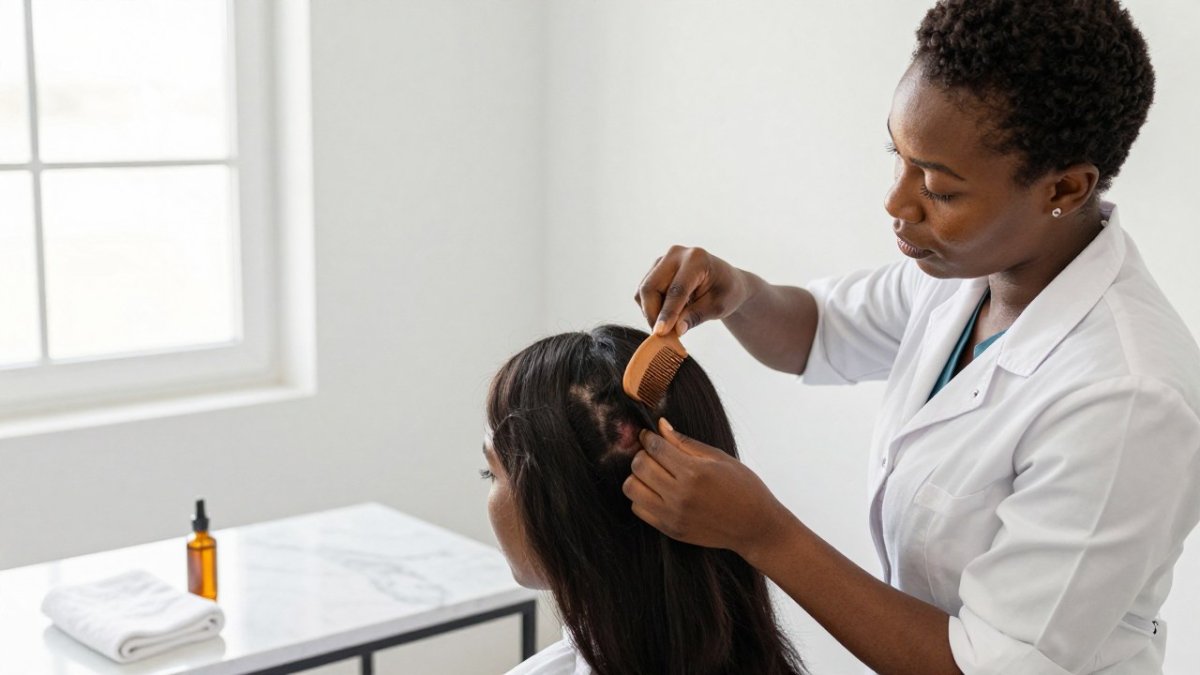
Pattern hair loss typically begins at the crown or along the part line.
Telogen effluvium causes uniform shedding across your entire scalp, often after stress, illness, or major hormonal events, and usually reverses when the trigger resolves.
Alopecia areata creates circular bald patches; it's autoimmune, not hormonal.
Check old photos: did your hair thin gradually over years, or suddenly over weeks? Does your family have a history of pattern hair loss? These details matter for diagnosis.
When to seek professional evaluation
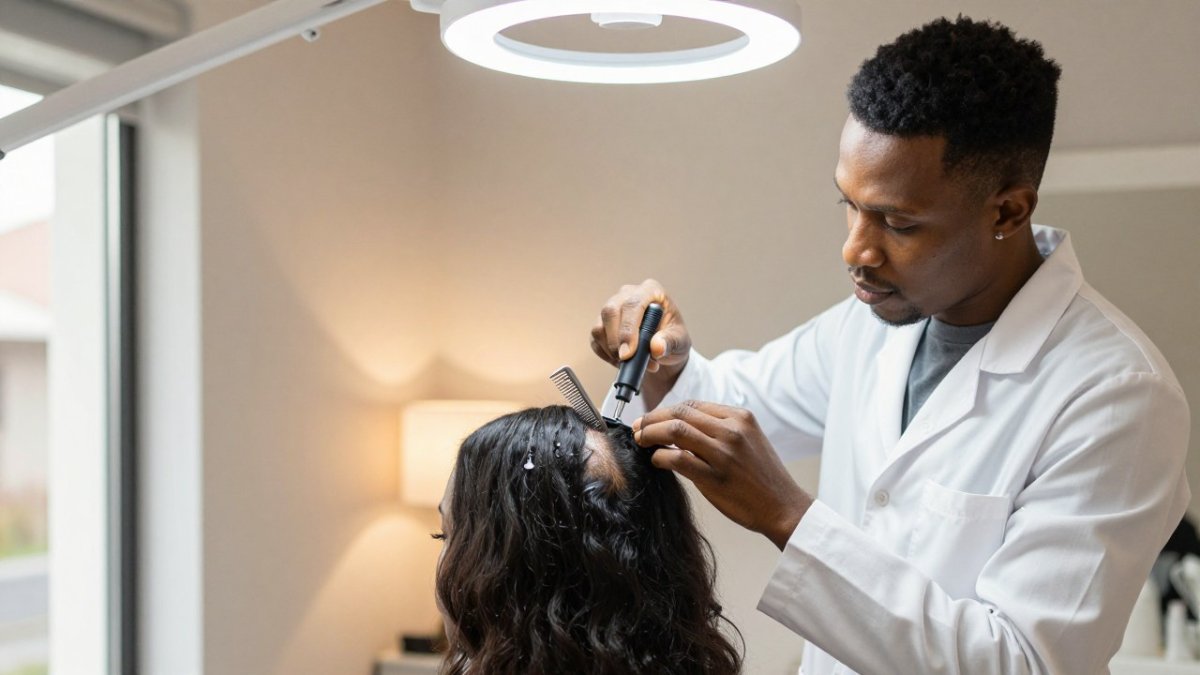
A trichologist or dermatologist examines your scalp under magnification, checking hair density, the ratio of active to resting hairs, and scalp health.
Blood work can measure thyroid function, cortisol, and androgen levels, helping identify treatable imbalances like thyroid problems or PCOS.
Don't skip this step if you have significant hair loss. Sophiatrichoholistic Hair Spa LLC offers personalized consultations combining clinical trichology with holistic assessment.
Step 2: Optimize Nutrition for Hair Growth
Nutrient deficiencies weaken hair and accelerate shedding; the right foods create the foundation for the anagen phase to extend and hair density to recover.
Protein, iron, and omega-3 fatty acids as foundational nutrients
Hair is made of protein, built from amino acids. Insufficient protein forces your body to conserve it for vital functions, deprioritizing hair growth.
Aim for protein at every meal: chicken, fish, eggs, beans, and Greek yogurt.
Iron carries oxygen to hair follicles, so low iron means follicles enter the telogen phase prematurely.
Red meat, spinach, and lentils contain iron. Pair iron-rich foods with vitamin C, citrus, tomatoes, bell peppers, to improve absorption.
Omega-3 fatty acids support scalp circulation and reduce inflammation.
| Nutrient | Top Food Sources | Why Hair Needs It |
|---|---|---|
| Protein | Chicken, eggs, Greek yogurt, beans | Builds hair structure |
| Iron | Red meat, spinach, lentils | Delivers oxygen to follicles |
| Omega-3s | Salmon, flaxseeds, walnuts | Reduces scalp inflammation |
| Zinc | Oysters, beef, pumpkin seeds | Regulates hair growth cycle |
Vitamin D, B vitamins, and zinc for hair density
Vitamin D deficiency is common, especially in winter, and correlates with increased hair shedding.
Get 15-30 minutes of sunlight daily when possible.
B12, biotin, and folate support energy production in hair follicles; whole grains, eggs, and leafy greens provide them naturally.
Zinc regulates the hair growth cycle. Deficiency pushes hair into the telogen phase. Oysters contain more zinc than any other food.
Whole foods versus supplements: evidence and timing
Whole foods are always the first choice.
Supplements fill gaps.
Timing matters. Take iron with vitamin C and away from calcium. Calcium blocks iron absorption. Take fat-soluble vitamins like D with food.
Don't expect overnight results. New hair enters the anagen phase within weeks of nutrient improvement, but takes months to grow long enough to notice.
Step 3: Implement Scalp Massage for Hair Growth and Circulation
Scalp massage increases blood flow to hair follicles. Better circulation means follicles receive more oxygen and nutrients, activating the anagen phase and strengthening hair from the root.
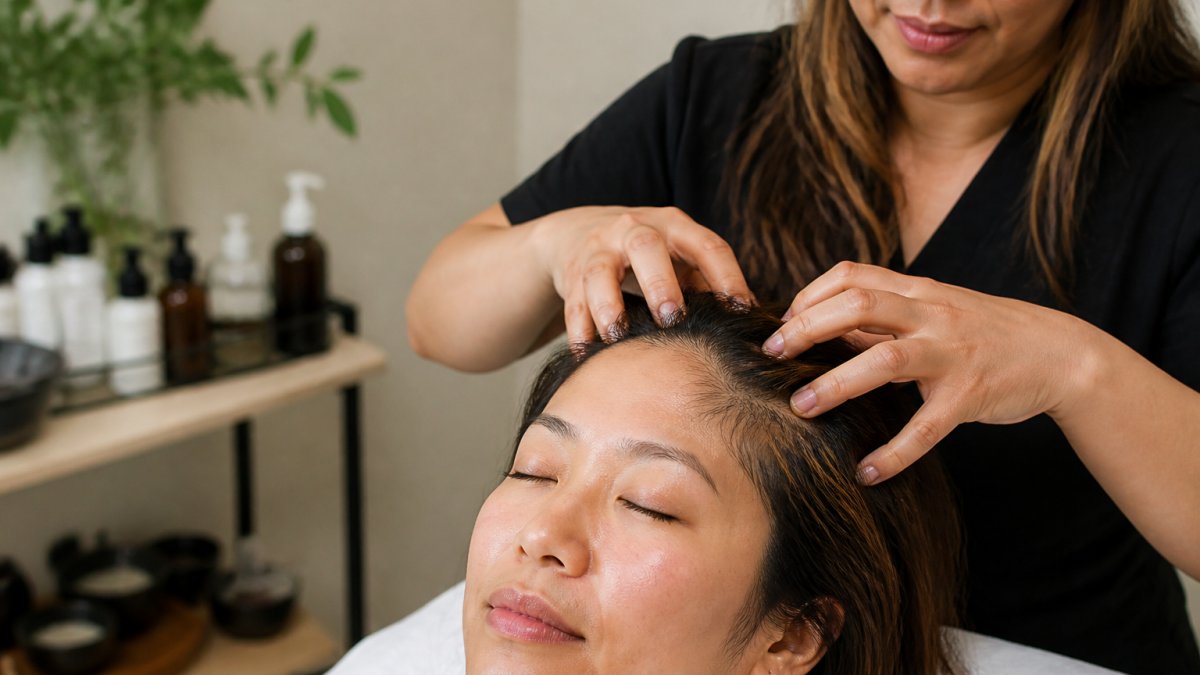
How scalp circulation supports the hair follicle
Hair follicles are living structures that need constant blood supply. Circulation delivers oxygen, nutrients, and hormones and removes waste products; poor circulation starves follicles and accelerates shedding.
Stress and tension restrict scalp blood vessels, and many women hold tension in their scalp and neck without realizing it.
Massage also stimulates the scalp microbiome. Your scalp hosts beneficial bacteria. These microorganisms support hair health. Gentle massage encourages their growth and activity.
Techniques and frequency for effective massage
Use your fingertips, not your nails. Apply gentle to moderate pressure.
Use small circular motions. Spend 30 seconds on each area. Move systematically across your entire scalp.
Perform scalp massage daily. Consistency matters more than duration. Five minutes daily beats 30 minutes once a week.
You can massage while shampooing. You can do it dry. You can use oils to enhance the experience.
Many women find massage meditative. It reduces stress, which itself helps hair growth.
Step 4: Address Hormonal Imbalance Through Holistic Practices
Hormones drive the hair growth cycle. Rebalancing hormones naturally supports hair regeneration. This requires attention to stress, sleep, and movement.
Stress reduction, sleep, and cortisol management
Chronic stress elevates cortisol. High cortisol pushes hair follicles into the telogen phase.
Meditation, yoga, and deep breathing all lower cortisol. Even 10 minutes daily makes a difference.
Start Your Hair & Scalp Healing Journey →
Sleep is when your body repairs itself. During sleep, growth hormone peaks. This hormone supports hair regeneration.
Create a sleep routine. Go to bed at the same time. Keep your bedroom cool and dark.
Journaling helps process stress. Writing for 15 minutes daily reduces cortisol and improves mood.
Regular exercise and its effect on hormone levels
Exercise balances multiple hormones. It lowers cortisol. It improves insulin sensitivity, which helps with PCOS-related hair loss.
You don't need intense workouts. Moderate activity works. A 30-minute walk, yoga class, or swim session all count.
Strength training is particularly helpful. It builds muscle, which improves metabolic health. Better metabolism supports hormone balance. Women often skip strength training. Don't.
Find activities you enjoy. Exercise you actually do beats the "perfect" routine you avoid. Consistency trumps intensity.
Step 5: Explore Natural Remedies for Female Pattern Hair Loss
Holistic remedies for androgenetic alopecia address hair loss through multiple mechanisms. Some reduce androgens. Others improve circulation. Still others reduce inflammation or support the hair growth cycle.
Herbal supplements and botanical approaches
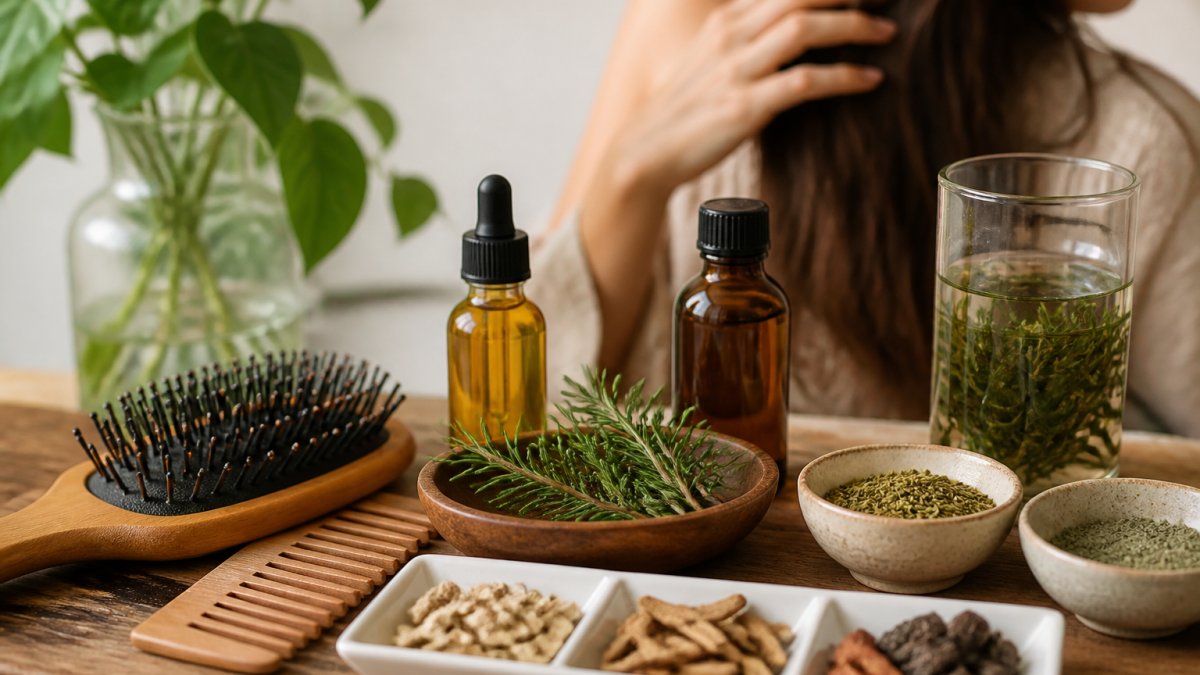
Spearmint tea has research backing its use for hair health. Some studies suggest it may reduce androgen effects.
Saw palmetto may help by affecting DHT metabolism. Evidence is mixed, but many practitioners recommend it.
Ashwagandha reduces stress and cortisol. Lower cortisol supports hair growth.
Nettle leaf tea provides minerals including iron and silica. Iron supports hair growth. Silica strengthens hair structure.
Rosemary oil improves scalp circulation. Massage a few drops into your scalp 2-3 times weekly.
Traditional Chinese Medicine and acupuncture for hair regeneration
Traditional Chinese Medicine views hair loss as a sign of imbalance.
Specific acupuncture points address hair health. Points on the scalp, ears, and body are used.
Sophiatrichoholistic Hair Spa LLC integrates acupuncture with clinical trichology.
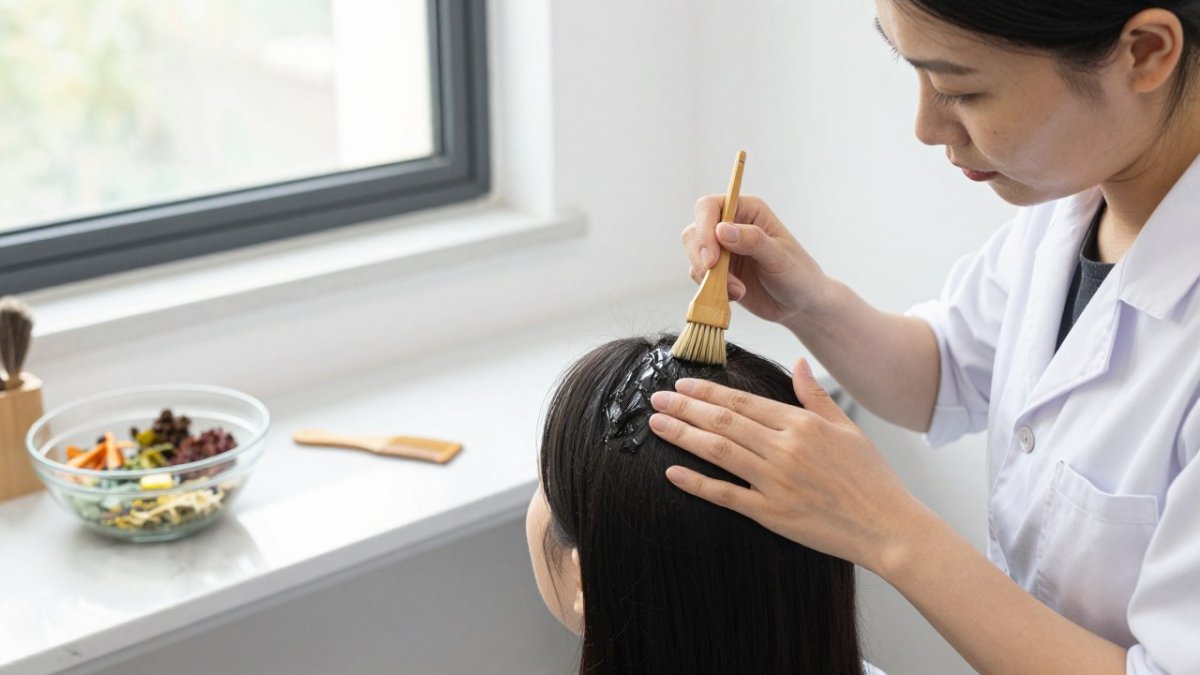
Herbal formulas complement acupuncture. Chinese herbs like ginseng, goji berry, and he shou wu support hair health.
The advantage of this integrated approach is addressing multiple systems. You're not just treating hair. You're restoring overall balance.
Step 6: Establish Realistic Timelines and Track Progress
Hair growth takes time. The anagen phase lasts months. New hair must grow from the scalp down. Visible density changes require patience. Unrealistic expectations lead to frustration and abandonment of effective treatments.
Expected timeframes for anagen phase activation
When you start addressing root causes, hair follicles gradually shift from telogen back to anagen. This doesn't happen instantly.
Once follicles enter anagen, hair grows. Human hair grows about 6 inches per year, or half an inch monthly.
Full results take longer. You need multiple growth cycles to see substantial improvement. Each hair cycle lasts several years.
This timeline assumes you're addressing multiple factors: nutrition, stress, circulation, and hormonal balance. Addressing only one factor produces slower results.
Measuring hair density and shedding reduction
Track shedding daily. Count the hairs that fall out when you shower. Write this number down.
Take photos monthly. Use consistent lighting and angle. Photograph your crown, part line, and hairline.
Measure hair thickness. Use a mirror to examine individual strands. Thicker strands indicate healthier follicles.
Ask someone you trust to observe. A partner or friend can notice changes you miss.
Professional assessment helps too. Sophiatrichoholistic Hair Spa LLC uses clinical tools to measure hair density objectively.
Common Mistakes to Avoid
Most women make predictable errors when addressing pattern hair loss.
Expecting overnight results. Hair grows slowly. Patience is essential.
Ignoring professional evaluation. Self-diagnosis often misses important factors.
Neglecting sleep and stress. These are not optional extras. They're foundational.
Using harsh shampoos. Sulfate-based shampoos strip your scalp.
Pulling hair tight. Tight hairstyles restrict scalp circulation.
Pattern hair loss in women is frustrating, but it's addressable.
Sophiatrichoholistic Hair Spa LLC specializes in this integrated approach.
Frequently Asked Questions
How do hormones affect androgenetic alopecia in women?
Androgenetic alopecia occurs when hair follicles are sensitive to androgens, particularly dihydrotestosterone (DHT). In women, hormonal fluctuations during menopause, postpartum periods, or conditions like PCOS can increase androgen levels or follicle sensitivity, accelerating the shift from the anagen (growth) phase to the telogen (shedding) phase. Estrogen and progesterone typically support hair retention, so declines in these hormones can worsen pattern hair loss. Understanding your specific hormonal profile through testing helps guide targeted treatment.
What nutrition supports hair growth and reduces shedding?
Hair growth depends on adequate protein (the structural basis of hair), iron (for oxygen delivery to follicles), omega-3 fatty acids (for scalp health), vitamin D, B vitamins, and zinc. Nutrient deficiencies directly correlate with increased shedding and reduced hair density. Whole foods like fatty fish, eggs, leafy greens, legumes, and nuts provide these nutrients more effectively than isolated supplements. Consistency matters: sustained nutritional support over 3-6 months is needed to see measurable changes in hair density and shedding patterns.
Can scalp massage actually help regrow hair with androgenetic alopecia?
Scalp massage increases blood flow to hair follicles, delivering oxygen and nutrients essential for the anagen phase. Regular massage also reduces scalp tension and may lower cortisol, a stress hormone that accelerates hair shedding. While scalp massage alone cannot reverse androgenetic alopecia, it complements other holistic approaches like nutrition and stress reduction. Studies suggest 5-10 minutes of daily massage can improve circulation; results typically appear after 2-3 months of consistent practice.
How long does it take to see results from holistic hair-loss treatments?
The hair growth cycle typically takes 3-6 months to show measurable changes. New hairs enter the anagen phase gradually, and existing follicles need time to shift from shedding to growth. You may notice reduced daily hair loss within 4-8 weeks, but visible density improvements usually appear after 3-4 months of consistent nutrition, scalp care, and stress management. Full results often require 6-12 months. Patience and adherence to your holistic plan are critical; stopping prematurely will reverse gains.