 How-to
Anti-Inflammatory Diet for Hair Growth: A Science-Based Guide
Last Updated: October 23, 2026
Quick Summary
An anti-inflammatory diet hair growth strategy works by reducing chronic inflammation that damages hair follicles, providing essential nutrients like iron, zinc, and omega-3 fatty acids that follicles need to function, and supporting a healthy scalp microbiome. When inflammation persists, it attacks the dermal papilla at the base of each follicle, shortening the growth phase and increasing premature shedding.
- Chronic low-grade inflammation damages hair follicles by attacking the dermal papilla and shortening the growth phase.
- Key nutrients for hair growth include omega-3 fatty acids from salmon and walnuts, antioxidants from colorful vegetables, and protein from lean meats and legumes.
- Visible results typically appear after four to six months, with reduced shedding noticeable within the first month.
- Foods to limit include refined carbohydrates, seed oils high in omega-6, processed foods, added sugars, and excess alcohol.
- Diet supports hair health but is not a standalone cure; professional evaluation is needed if hair loss exceeds 100-150 hairs daily or persists beyond six months.
Table of Contents
- How Inflammation Affects Hair Follicles and Growth
- The Connection Between Immune Response and Hair Shedding
- Anti-Inflammatory Foods for Hair Growth
- Nutritional Deficiencies and Hair Loss
- How to Stop Excessive Hair Shedding Through Diet
- Understanding the Evidence and Setting Realistic Expectations
- Conclusion
- Frequently Asked Questions
How Inflammation Affects Hair Follicles and Growth
Inflammation is one of the biggest culprits behind hair loss and poor hair growth, which is why an anti-inflammatory diet hair growth strategy addresses the root cause.
Hair follicles are sensitive structures. They depend on a healthy immune environment to function properly. When inflammation persists, it attacks the dermal papilla, the tissue at the base of each follicle that feeds the hair root.
Chronic Low-Grade Inflammation and Hair Loss
Chronic low-grade inflammation doesn't announce itself loudly. You don't feel it most of the time, but it's working behind the scenes, triggering immune responses that harm hair follicles.
The connection runs deep. When your body maintains a pro-inflammatory state, often driven by diet, stress, or metabolic issues, your immune system stays in overdrive.
An anti-inflammatory diet hair growth approach works because it calms this immune overactivity.
Scalp Inflammation and Follicle Disruption
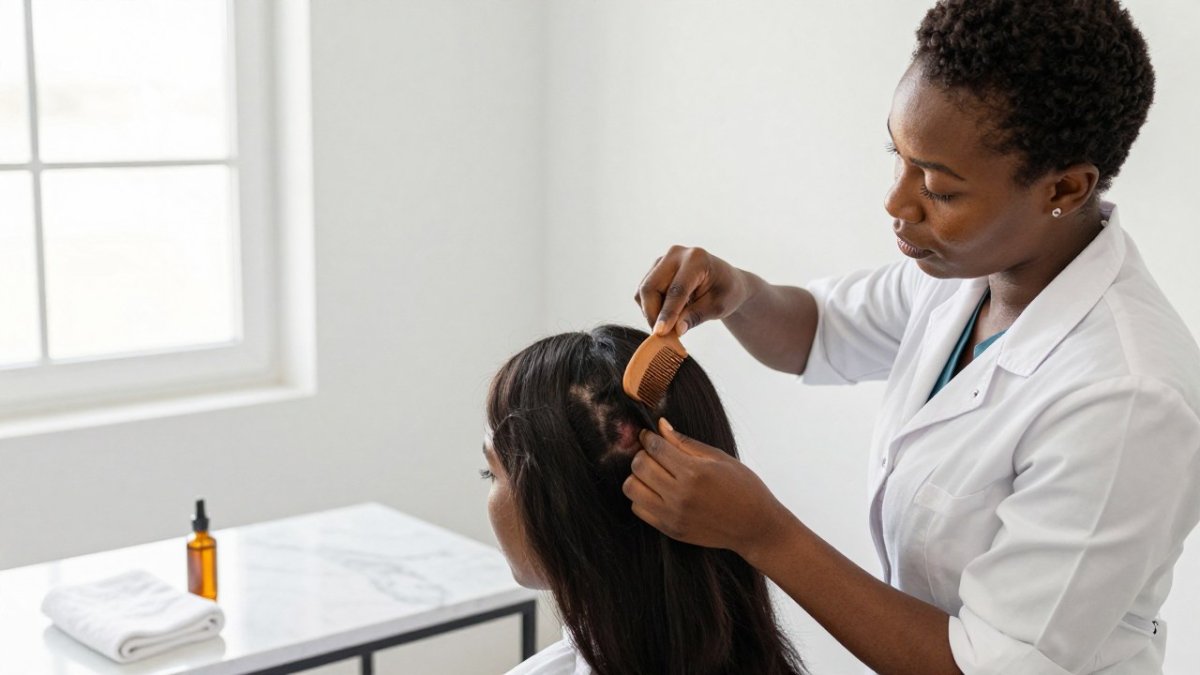
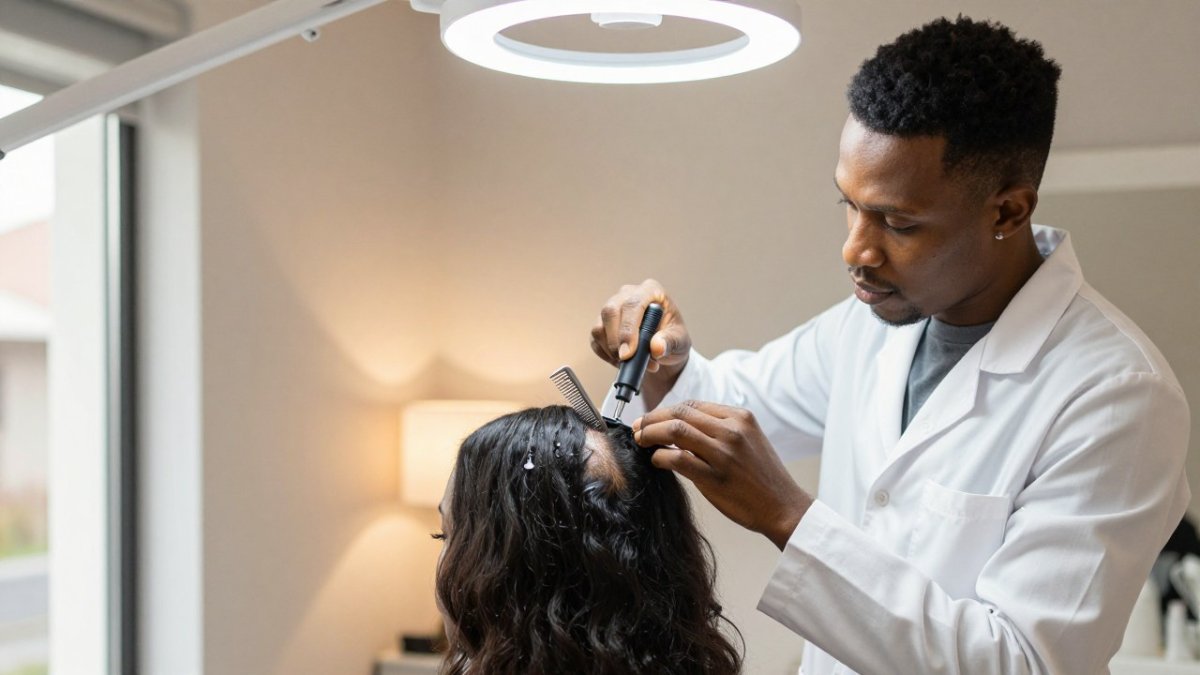
Scalp inflammation is different from systemic inflammation, but they're connected. Conditions like seborrheic dermatitis and psoriasis create visible inflammation on the scalp itself.
When follicles are inflamed, they can't absorb nutrients properly. The hair shaft becomes weak. Growth slows. Shedding accelerates.
The Connection Between Immune Response and Hair Shedding
Your immune system and your hair are more connected than most people realize. When your immune system is activated, whether by chronic stress, food sensitivities, or metabolic dysfunction, it can mistake hair follicles for a threat. Natural ways to balance hormones for hair growth can help address these root causes of immune activation.
An anti-inflammatory diet reduces immune activation. It lowers inflammatory markers in your blood and calms the overactive immune responses that damage hair.
The timeline matters here. Immune-driven hair loss often takes months to show improvement because follicles need time to move out of the damaged phase and back into active growth. Patience is essential, but the science supports the approach.
Anti-Inflammatory Foods for Hair Growth
Healthy Fats and Omega-3 Fatty Acids
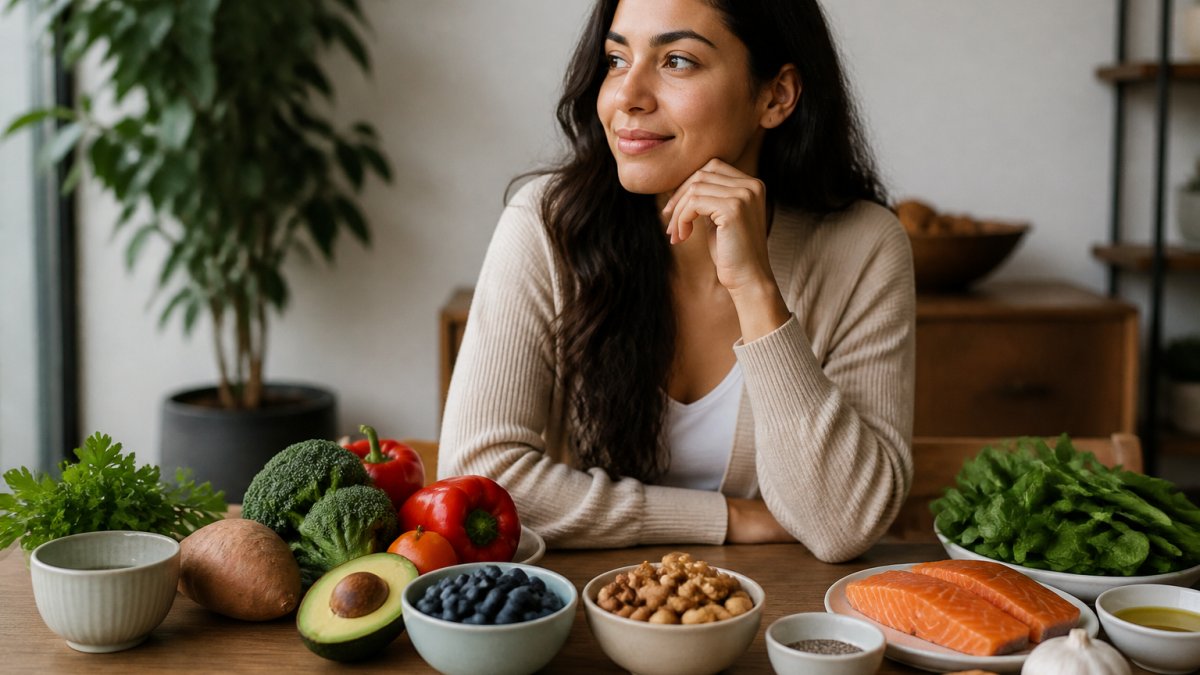
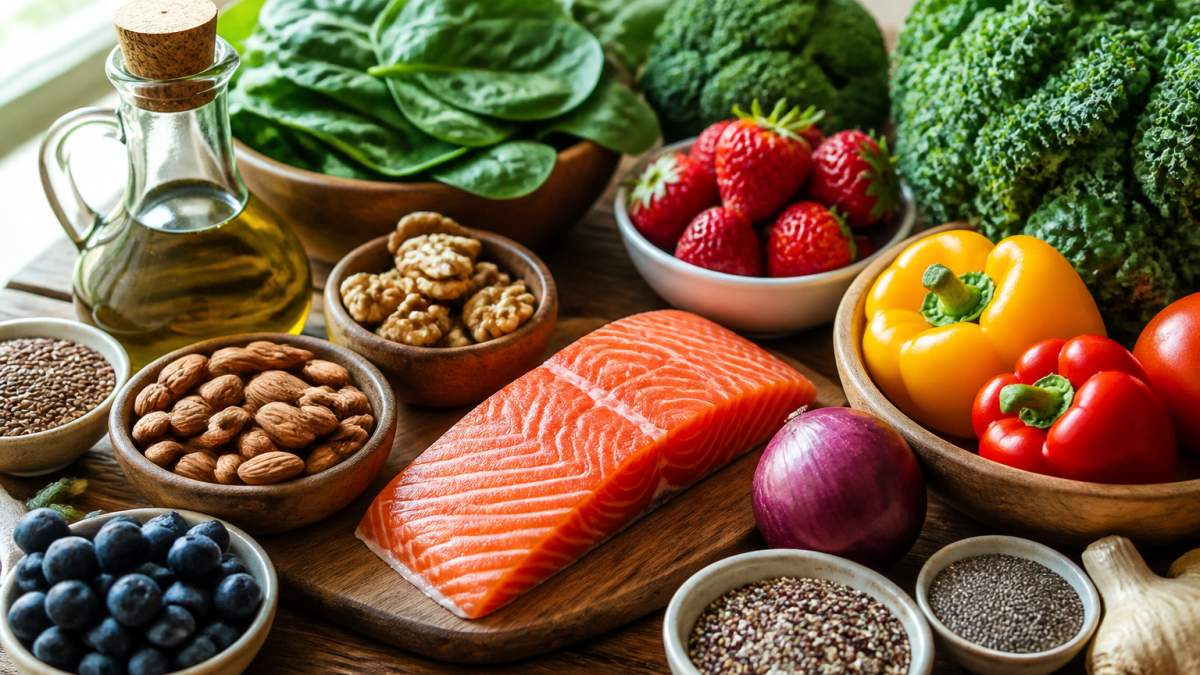
Healthy fats are non-negotiable for hair health. Omega-3 fatty acids reduce inflammation throughout your body and support the scalp microbiome. They also improve blood circulation to hair follicles, ensuring nutrients reach the root.
The best sources are:
- Fatty fish: salmon, mackerel, sardines, herring
- Plant-based options: flaxseeds, chia seeds, walnuts
- Oils: extra virgin olive oil, avocado oil
Aim to include one omega-3 source at most meals. A palm-sized portion of salmon three times per week is a practical starting point. If you don't eat fish, a daily handful of walnuts or a tablespoon of ground flaxseed works well.
Antioxidant-Rich Fruits and Vegetables
Antioxidants protect hair follicles from oxidative stress, the cellular damage that accelerates aging and inflammation. Colorful produce is your best source.
Prioritize these:
- Leafy greens: spinach, kale, arugula (raw or cooked)
- Berries: blueberries, strawberries, blackberries
- Orange and red vegetables: sweet potatoes, carrots, bell peppers
A simple rule: eat the rainbow. Aim for at least three different colored vegetables or fruits daily. A large salad with mixed greens and berries at lunch, roasted vegetables at dinner, and a piece of fruit as a snack hits this target easily.
Protein and Nutrient-Dense Whole Foods
Hair is made of protein. Your follicles need consistent protein to build new hair. Beyond protein, whole foods provide the mineral and vitamin cofactors your follicles depend on.
Focus on:
- Lean meats: chicken, turkey, grass-fed beef
- Plant-based proteins: lentils, chickpeas, black beans, tofu
- Whole grains: oats, quinoa, brown rice, barley
A practical approach: include a palm-sized protein source at each meal, a half-cup of whole grains, and a variety of vegetables. This ensures consistent amino acid delivery to your follicles and provides the micronutrients they need.
Nutritional Deficiencies and Hair Loss
Hair loss often signals nutritional gaps. Your body prioritizes critical organs over hair growth, so when nutrients are scarce, your follicles suffer first. An anti-inflammatory diet naturally corrects many of these deficiencies, but understanding which ones matter most helps you target your eating strategy.
Key Nutrients for Follicle Health
Iron supports oxygen delivery to follicles. Low iron is a common cause of telogen effluvium.
Zinc regulates immune function and supports protein synthesis in hair.
Vitamin D regulates immune responses and influences hair follicle cycling.
Start Your Hair & Scalp Healing Journey →
B vitamins (especially B12 and folate) support energy production in follicles.
Biotin is popular in hair supplements, but research shows it only helps if you're deficient.
Testing and Supplementation Considerations
Before adding supplements, consider getting basic bloodwork done. A simple test can reveal deficiencies in iron, vitamin D, B12, and zinc. Knowing your actual levels prevents you from taking unnecessary supplements and helps you target the real gaps.
If testing isn't possible, focus on eating whole foods first. A well-designed anti-inflammatory diet provides most nutrients your follicles need. Supplements fill gaps, not replace food.
How to Stop Excessive Hair Shedding Through Diet
Foods to Limit or Avoid
Certain foods actively promote inflammation and should be minimized:
- Refined carbohydrates: white bread, pastries, sugary cereals (spike blood sugar and trigger inflammatory responses)
- Seed oils high in omega-6: vegetable oil, canola oil, soybean oil (promote pro-inflammatory pathways)
- Processed foods: packaged snacks, deli meats, fast food (contain additives that trigger inflammation)
This doesn't mean perfection. One slice of pizza won't cause hair loss. But consistent choices matter. If 80% of your diet is whole, anti-inflammatory foods, the occasional processed meal won't derail your results.
A Practical Meal Plan Approach
Here's a framework you can use to build your own meals:
| Meal Component | Example Options | Portion |
|---|---|---|
| Protein | Salmon, chicken, lentils, eggs, Greek yogurt | Palm-sized or 1 cup |
| Whole Grain | Brown rice, oats, quinoa, whole wheat bread | Half cup cooked or 1 slice |
| Vegetables | Spinach, broccoli, sweet potato, bell peppers | 2 cups raw or 1 cup cooked |
| Healthy Fat | Olive oil, avocado, nuts, seeds | 1 tablespoon or small handful |
| Fruit | Berries, orange, apple | 1 medium or 1 cup |
Sample day:
- Breakfast: Scrambled eggs with spinach, oatmeal with berries and walnuts
- Lunch: Grilled salmon with roasted broccoli and brown rice, olive oil drizzle
- Snack: Apple with almond butter
- Dinner: Lean ground turkey with quinoa, roasted sweet potato, and sautéed kale
This approach ensures consistent protein, healthy fats, antioxidants, and minerals. It's sustainable because it's based on whole foods you actually enjoy, not restrictive rules.
Understanding the Evidence and Setting Realistic Expectations
What Research Shows About Diet and Hair Health
The science linking diet to hair health is growing, but it's important to be honest about what we know and don't know. An evidence-based holistic hair loss treatment guide shows how diet fits into a comprehensive approach to addressing hair loss.
But here's what's less clear: we don't have large, long-term randomized trials showing that a specific diet cures alopecia or reverses hair loss on its own. Diet is a foundational support, not a standalone treatment.
At Sophiatrichoholistic Hair Spa LLC, we integrate dietary guidance with clinical trichology and Traditional Chinese Medicine. Diet addresses the inflammatory and nutritional foundation. Professional treatment addresses the follicles directly.
Timeline for Visible Results
Hair grows slowly. The average growth rate is about half an inch per month. New hairs take three to six months to become visible. Shedding typically decreases before new growth appears, so you might notice less hair in your brush before you see thicker hair on your head.
Realistic expectations:
- Week 1-4: Possible reduction in shedding, improved scalp comfort
- Month 2-3: Continued reduction in shedding, possible new short hairs at the scalp line
- Month 4-6: Visible new growth, thicker hair texture
- Month 6+: Sustained improvement if dietary changes continue
If you see no change in shedding after three months, your diet may not be the primary issue. Other factors, hormonal imbalance, scalp conditions, genetic predisposition, might need professional attention.
When to Seek Professional Evaluation
Diet supports hair health, but it's not a substitute for professional diagnosis. See a dermatologist or trichologist if:
- You're losing more than 100-150 hairs per day consistently
- Hair loss is sudden or rapid
- You have visible scalp inflammation, itching, or flaking
- You've had hair loss for more than six months without improvement
American Academy of Dermatology resources on hair loss provide evidence-based information on when professional evaluation is necessary. A qualified professional can identify whether your hair loss is nutritional, hormonal, autoimmune, or genetic, and that diagnosis changes your treatment strategy.
Conclusion
An anti-inflammatory diet supports hair growth by reducing the inflammatory environment that damages follicles, providing the nutrients your hair needs to grow strong, and supporting a healthy scalp microbiome. The science is clear: what you eat affects your hair.
But diet is a foundation, not a cure. For women dealing with chronic scalp conditions, postpartum hair loss, or diagnosed alopecia, dietary changes work best alongside professional treatment.
At Sophiatrichoholistic Hair Spa LLC, we combine dietary guidance with clinical trichology and Traditional Chinese Medicine to address hair loss from every angle. If you're ready to move beyond diet alone and address your hair loss with a personalized, holistic strategy, start your hair and scalp healing journey with our team.
Frequently Asked Questions
Can an anti-inflammatory diet reduce hair shedding?
An anti-inflammatory diet may help reduce excessive hair shedding by lowering chronic inflammation that disrupts the hair growth cycle. When scalp inflammation decreases and the immune system stabilizes, hair follicles spend more time in the growth phase and less time in the shedding phase. However, diet alone is not a treatment for hair loss conditions like alopecia areata or androgenetic alopecia. It works best as part of a comprehensive approach that includes professional evaluation and targeted interventions.
How long does it take for diet changes to affect hair growth?
Hair growth changes from dietary improvements typically take 3 to 6 months to become visible, since hair follicles operate on a growth cycle. New hairs must grow from the root, and you may not see a difference until that new hair emerges from the scalp. Some people notice improvements in scalp health and inflammation sooner, within 4 to 8 weeks, but patience is essential. Consistency with dietary changes matters more than expecting rapid results.
Can nutritional deficiencies cause hair loss?
Yes, specific nutritional deficiencies can contribute to hair loss and excessive shedding. Inadequate protein, iron, zinc, vitamin D, and B vitamins (especially biotin and B12) are linked to disrupted hair growth cycles and weakened follicles. If you suspect nutritional deficiencies, blood work from a healthcare provider can identify gaps. Correcting these deficiencies through food or supplements may help restore healthier hair growth, though other underlying conditions should also be evaluated.
When should I see a doctor about excessive hair shedding?
Seek professional evaluation if you notice sudden hair loss, shedding that lasts longer than 3 months, bald patches, or scalp symptoms like pain, redness, or severe itching. A dermatologist or trichologist can diagnose conditions like telogen effluvium, alopecia areata, or scalp inflammation that require medical treatment. Diet is a valuable support, but some hair loss conditions need clinical intervention. A qualified healthcare provider can determine whether dietary changes alone are appropriate or if additional treatment is necessary.