 Comparison
Holistic Alternatives to Clinical Trichology for Scalp Psoriasis
Table of Contents
- Understanding Scalp Psoriasis and Treatment Options
- Natural Scalp Psoriasis Remedies: What the Research Shows
- Traditional Chinese Medicine for Scalp Inflammation
- Root Cause Analysis for Scalp Conditions
- Comparison of Holistic and Conventional Approaches
- Safety, Side Effects, and When to Consult a Professional
- Integrating Holistic Care Into Your Long-Term Scalp Health Plan
- Frequently Asked Questions
Last Updated: September 29, 2026
Understanding Scalp Psoriasis and Treatment Options
[Scalp psoriasis](/holistic-treatment-for-scalp-psoriasis) creates thick, inflamed plaques that cause itching, flaking, and sometimes hair loss. Many wonder whether holistic alternatives scalp psoriasis solutions can deliver lasting relief when conventional treatments fail.
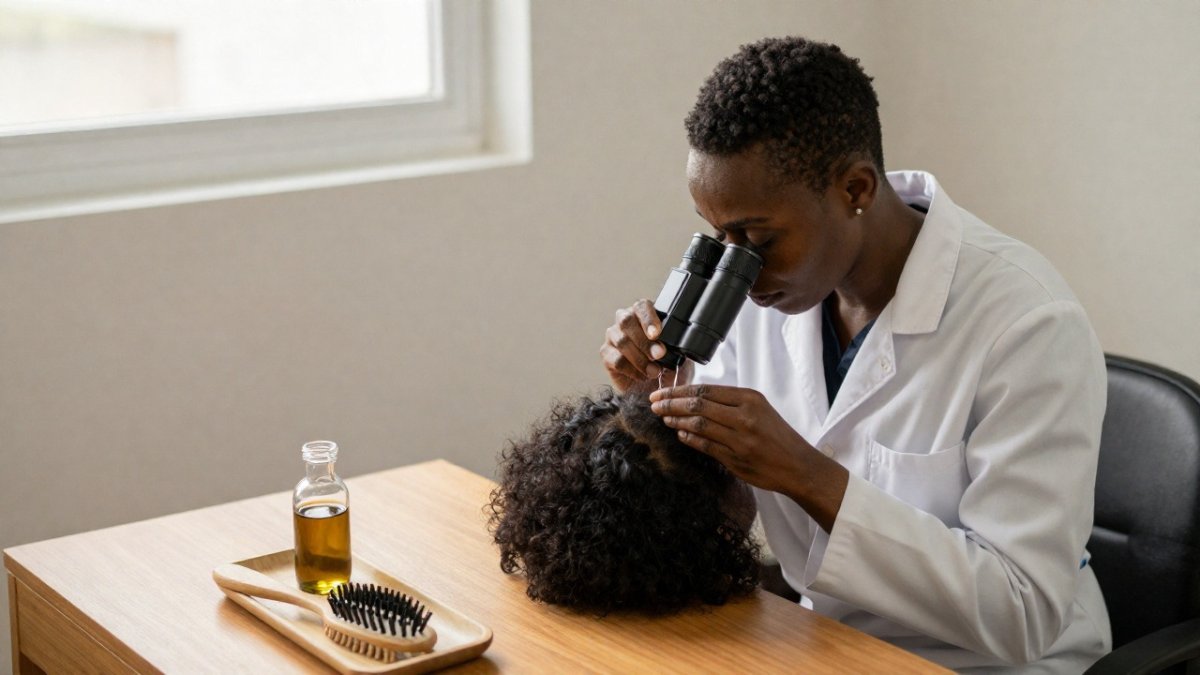
The condition stems from an overactive immune response that accelerates skin cell turnover. Unlike dandruff, psoriasis requires a targeted approach. At Sophiatrichoholistic Hair Spa LLC, we address root causes, inflammation, immune dysregulation, and scalp microbiome imbalance, to promote sustainable hair regeneration.
Holistic alternatives scalp psoriasis treatments span topical plant-based ingredients, dietary support, and traditional healing systems like acupuncture and herbal medicine. The key difference from conventional dermatology: rather than temporarily reducing inflammation, holistic methods aim to restore the underlying conditions that triggered the condition.
Natural Scalp Psoriasis Remedies: What the Research Shows
Plant-based ingredients have long managed scalp inflammation and itching. The most studied compounds include tea tree oil, aloe vera, coconut oil, turmeric, and apple cider vinegar.
Topical Plant-Based Ingredients
Tea tree oil has antimicrobial and anti-inflammatory properties that reduce itching and secondary infections. Aloe vera soothes irritation and supports skin barrier function during flare-ups. Coconut oil provides hydration and antifungal activity, though effectiveness varies by microbiome composition.
Turmeric's curcumin has documented anti-inflammatory action and may reduce plaques when applied topically. Apple cider vinegar dissolves crusty buildup but risks over-drying with frequent use.
Natural topicals require consistency and adequate potency. Botanical formulations work best for mild to moderate cases and maintenance between professional treatments. Botanical formulations work best for mild to moderate cases and maintenance between professional treatments.
Dietary and Nutritional Support
Omega-3 fatty acids, vitamin D, zinc, and B vitamins all play roles in immune regulation and skin barrier function. Many people with scalp psoriasis show deficiencies in one or more of these nutrients, and correcting them can reduce flare frequency and severity.
Vitamin D deficiency appears particularly common in psoriasis cases. Increasing intake through diet (fatty fish, egg yolks, fortified dairy) or supplementation may help modulate immune responses that drive the condition. Zinc supports wound healing and immune balance; deficiency is linked to worse psoriasis outcomes.
Omega-3 fatty acids from fish, flaxseed, and walnuts have anti-inflammatory effects that benefit not just scalp health but overall skin and joint health. Some people notice significant improvement in scaling and itching within 4-8 weeks of increasing omega-3 intake, though individual responses vary widely.
Food sensitivities can trigger or worsen psoriasis in susceptible individuals. Common culprits include refined carbohydrates, alcohol, and nightshade vegetables (tomatoes, peppers, eggplant). Identifying personal triggers through elimination and reintroduction often reveals which dietary changes will help most.
Traditional Chinese Medicine for Scalp Inflammation
Acupuncture and herbal medicine address scalp psoriasis by restoring balance to underlying energy systems and reducing systemic inflammation. In Traditional Chinese Medicine, scalp conditions reflect imbalances in liver, kidney, or spleen systems, energetic patterns manifesting as skin problems.
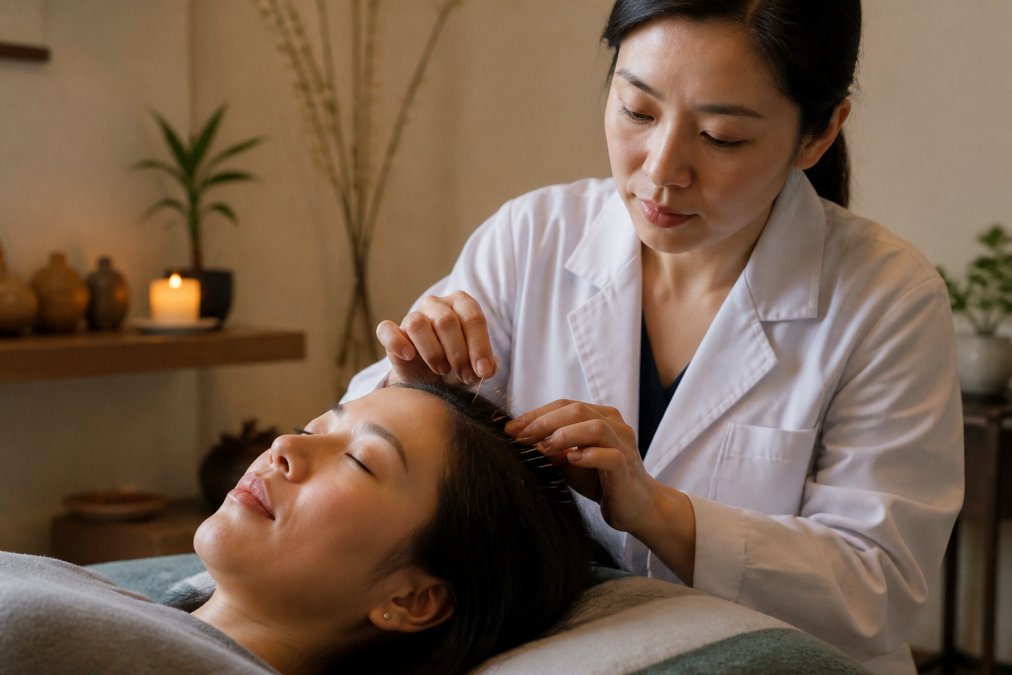
Scalp acupuncture inserts fine needles into specific zones to stimulate blood flow, reduce inflammation, and activate healing. Scalp acupuncture inserts fine needles into specific zones to stimulate blood flow, reduce inflammation, and activate healing.
Chinese herbal formulas target root patterns underlying psoriasis. Common herbs include bupleurum (liver support), rehmannia (kidney yin nourishment), and siler (wind-heat clearing). Formulas are highly individualized based on underlying imbalances.
The integration of Traditional Chinese Medicine with clinical trichology, as offered at Sophiatrichoholistic Hair Spa LLC, combines acupuncture's systemic benefits with scalp-specific analysis and topical treatments. This combination addresses both the local inflammation and the constitutional factors that allowed it to develop.
Root Cause Analysis for Scalp Conditions
Conventional dermatology manages psoriasis indefinitely. Holistic approaches ask: why did this develop, and what allows it to persist?
Common root causes include chronic stress, nutritional deficiencies, scalp microbiome dysbiosis, hormonal imbalance, and food sensitivities. One deserves particular attention: the psychological impact of chronic scalp psoriasis, which creates a vicious cycle.
Start Your Hair & Scalp Healing Journey →
The Stress-Psoriasis Bidirectional Loop
Psoriasis triggers emotional distress that worsens the condition. Visible symptoms create social anxiety and embarrassment, elevating cortisol and inflammatory cytokines that drive severity. The result: stress worsens psoriasis, worsening psoriasis increases stress.
Research shows high anxiety and depression increase flare-ups, slow healing, and reduce treatment response. Conversely, mental health interventions, cognitive behavioral therapy, mindfulness, consistent sleep, produce measurable skin improvements independent of topical or dietary changes.
This psychological dimension is often invisible clinically. A dermatologist may clear plaques temporarily, but unaddressed anxiety and stress cause flare-ups to return.
Nutritional Deficiencies and Immune Dysregulation
Stress reduction alone isn't sufficient; nutritional status directly influences immune balance and inflammation. Omega-3 fatty acids, vitamin D, zinc, and B vitamins all play roles in immune regulation and skin barrier function. Many people with scalp psoriasis show deficiencies in one or more of these nutrients, and correcting them can reduce flare frequency and severity.
Scalp Microbiome and Barrier Function
Scalp microbiome health influences inflammation and skin barrier function. Harsh sulfates, hot water, and medicated products disrupt balance and worsen conditions. Gentler cleansing and microbiome-supporting products improve outcomes.
Hormonal Factors
Hormonal factors, particularly estrogen and thyroid function, influence psoriasis severity. Flare-ups often coincide with menstrual cycles, pregnancy, or menopause. Addressing hormonal imbalance reduces flare frequency.
Comparison of Holistic and Conventional Approaches
| Approach | Timeline | Best For | Limitations |
|---|---|---|---|
| Topical salicylic acid (Neutrogena T/Sal) | Days to weeks | Acute scaling and buildup | Drying; temporary relief only |
| Coal tar shampoo (DHS Tar) | 1-2 weeks | Persistent itching and redness | Strong odor; potential irritation |
| Light therapy (handheld UV combs) | 4-8 weeks | Moderate to severe plaques | Requires consistent use; risk of burning |
| Herbal topicals (Origenere) | 2-4 weeks | Mild cases; maintenance | Less potent for severe inflammation |
| Acupuncture + herbal medicine | 6-12 weeks | Root cause resolution | Requires qualified practitioner; longer timeline |
| Dietary modification + supplementation | 4-8 weeks | Systemic inflammation reduction | Requires discipline; individual variation |
Conventional treatments excel at rapid symptom relief but don't address underlying causes, so symptoms return when treatment stops. Holistic alternatives take longer but produce durable results by addressing nutritional deficiencies, stress, microbiome health, and immune dysregulation. The most effective strategy combines both: use conventional treatments for acute flare-ups while pursuing holistic interventions long-term. This integrative approach, which Sophiatrichoholistic Hair Spa LLC specializes in, addresses both the local inflammation and the constitutional factors that allowed it to develop.
Safety, Side Effects, and When to Consult a Professional
Natural doesn't mean safe. Plant-based ingredients can cause allergic reactions, interact with medications, or worsen conditions. Understanding risks is essential before combining remedies with conventional treatments.
Ingredient-Specific Safety Concerns
Tea tree oil can trigger contact dermatitis. Turmeric may increase bleeding risk with anticoagulants. Apple cider vinegar's acidity can damage hair and irritate scalp if overused or undiluted.
Critical Medication Interactions: Natural Remedies + Prescribed Treatments
Omega-3 supplements + systemic immunosuppressants: Omega-3 can potentiate immunosuppressive effects of medications like tacrolimus or dupilumab, over-suppressing immunity and increasing infection risk. Discuss with your physician before starting.
When to Consult a Professional
Consult a dermatologist or qualified trichologist if: symptoms worsen after 4-6 weeks of treatment, psoriasis spreads beyond the scalp, you develop signs of infection, hair loss accelerates, you're unsure of diagnosis, you're on prescription medications and want to start supplements, or you experience severe itching or emotional distress affecting daily functioning.
Integrating Holistic Care Into Your Long-Term Scalp Health Plan
Weeks 1-2: Use gentle botanical shampoo (Origenere) or medicated option (Neutrogena T/Sal) if scaling is severe. Avoid hot water. Apply soothing topicals.
Frequently Asked Questions
Can holistic alternatives actually treat scalp psoriasis, or are they just symptom management?
Holistic alternatives address both symptom relief and underlying factors like inflammation, scalp microbiome imbalance, and internal energy flow. Natural remedies like tea tree oil and aloe vera provide itch relief and reduce scaling, while approaches like Traditional Chinese Medicine and dietary adjustments target root causes. However, severe cases may require medical oversight. A consultation with a qualified practitioner can determine whether holistic care alone is appropriate for your condition or if it should complement dermatological treatment.
What is the role of Traditional Chinese Medicine for scalp inflammation?
Traditional Chinese Medicine views scalp psoriasis as stemming from imbalances in internal organs, blood circulation, or energy flow. Acupuncture and herbal remedies aim to restore balance and reduce inflammation at the source. Acupuncture may improve blood flow to the scalp and regulate immune response, while herbal formulations address constitutional factors. Results vary by individual, and combining TCM with clinical trichology can provide a more comprehensive approach to managing chronic scalp conditions.
How long does it take to see results from natural scalp psoriasis remedies?
Timeline varies significantly. Topical applications like aloe vera or tea tree oil may reduce itching within days to weeks, but reducing plaques and scaling typically takes 4 to 12 weeks of consistent use. Dietary changes and acupuncture often require 8 to 12 weeks to show measurable improvement. Long-term management is more effective than expecting quick fixes. Tracking flare-ups and symptoms helps identify which approaches work best for your individual condition.
Are natural remedies safe to use alongside prescription psoriasis treatments?
Some natural compounds can interact with medications or increase skin sensitivity. For example, certain herbal supplements may affect blood thinning medications, and phototherapy combined with photosensitizing herbs requires caution. Before adding any natural remedy, including tea tree oil, turmeric, or herbal supplements, discuss it with your dermatologist or healthcare provider to avoid contraindications and ensure safe integration with your current treatment plan.