 ultimate-guide
Holistic Solutions for Chronic Scalp Itching
Table of Contents
- Understanding the Causes of Chronic Scalp Pruritus
- Natural Remedies for Scalp Inflammation and Itch Relief
- The TCM Approach to Hair and Scalp Health
- Dandruff, Seborrheic Dermatitis, and Medicated Shampoos
- Internal Triggers: Diet, Stress, and the Scalp Microbiome
- Product Ingredient Safety and Patch Testing
- When to See a Dermatologist or Clinical Trichologist
- Frequently Asked Questions
Last Updated: September 16, 2026
Understanding the Causes of Chronic Scalp Pruritus
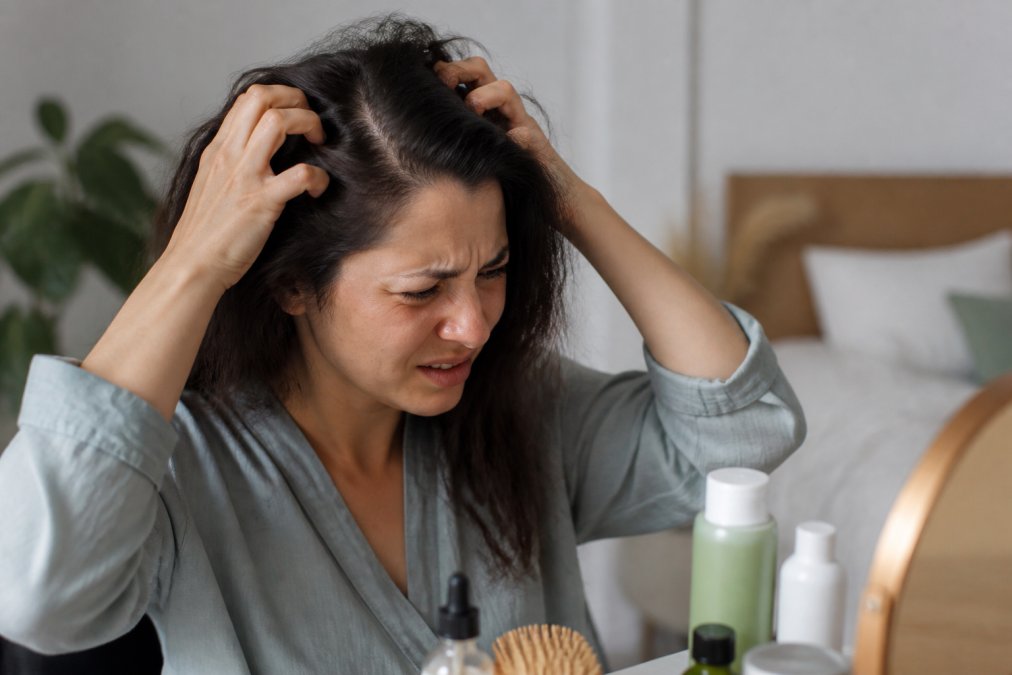
Chronic scalp pruritus is persistent, recurring itchiness of the scalp that lasts more than six weeks and often signals an underlying inflammatory or microbial imbalance rather than simple dryness. Chronic scalp pruritus is persistent, recurring itchiness of the scalp that lasts more than six weeks and often signals an underlying inflammatory or microbial imbalance rather than simple dryness. The itch is a symptom, not the condition itself. The itch is a symptom, not the condition itself.
The most common drivers include seborrheic dermatitis, an overgrowth of Malassezia yeast, contact reactions to harsh surfactants, and stress-related inflammation. Each one requires a different approach, which is why generic anti-itch shampoos so often fail.
American Academy of Dermatology on seborrheic dermatitis
The Itch-Scratch Cycle and Scalp Barrier Damage
Scratching feels like relief for about three seconds. Then the damage compounds.
Mechanical scratching disrupts the scalp barrier, the thin lipid layer that keeps moisture in and irritants out. Once that barrier weakens, trans-epidermal water loss rises, the scalp becomes more reactive, and the itch intensifies. This is the itch-scratch cycle, and breaking it matters more than any single product.
Warning signs that your barrier is compromised:
- Tightness or stinging after washing
- Visible redness along the hairline
- Flaking that returns within 24 hours of shampooing
Natural Remedies for Scalp Inflammation and Itch Relief
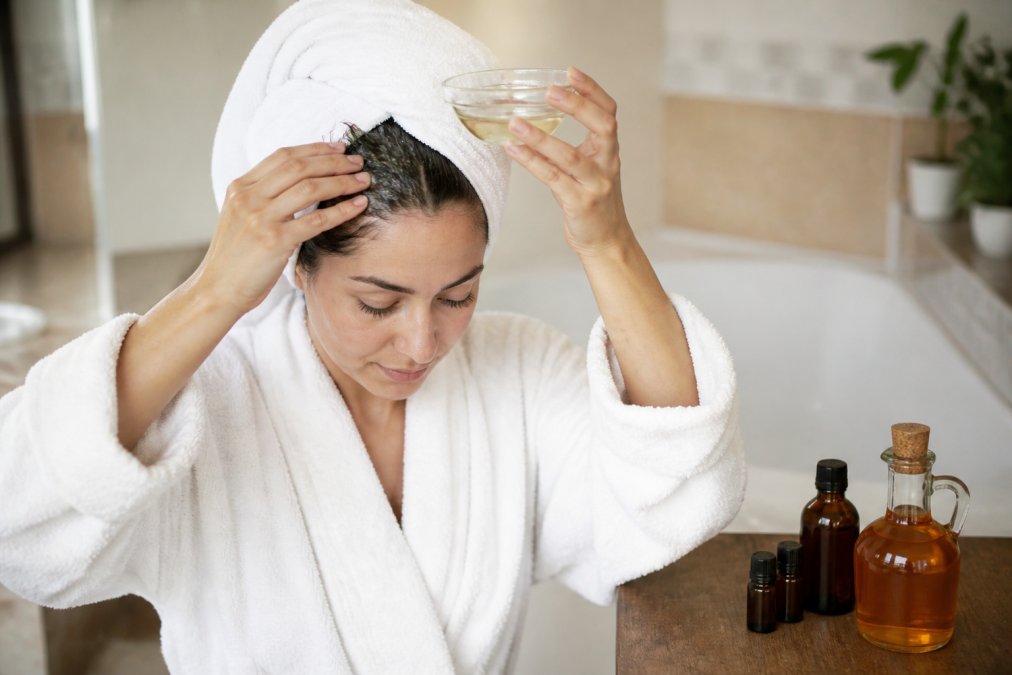
Natural remedies for scalp inflammation work best as a layered routine, not a single hero ingredient. The goal is to calm irritation, restore pH balance, and support the microbiome without stripping the scalp further.
Apple Cider Vinegar Rinses and pH Balance
A diluted apple cider vinegar rinse can help restore the scalp's natural acid mantle, which sits slightly acidic. Many commercial shampoos push pH upward, which favors yeast overgrowth. Mix one part vinegar to four parts water, apply after shampooing, and rinse thoroughly.
What most guides miss: undiluted vinegar causes chemical burns. Never apply it straight.
Essential Oils, Carrier Oils, and Colloidal Oatmeal
Tea tree oil has well-documented antifungal and antibacterial properties, but it must be diluted in a carrier oil before topical application. A common ratio is a few drops per tablespoon of coconut or jojoba oil.
| Remedy | Primary Benefit | How to Use | Watch Out For |
|---|---|---|---|
| Apple cider vinegar | Restores pH balance | 1:4 dilution, rinse out | Never use undiluted |
| Tea tree oil | Antifungal, antibacterial | Dilute in carrier oil | Skin sensitization |
| Coconut oil | Moisture retention | Pre-shampoo treatment | Can feel heavy |
| Colloidal oatmeal | Barrier support | Soak or mask | Powdery residue |
| Peppermint oil | Cooling itch relief | Dilute, patch test first | Tingling may be intense |
The TCM Approach to Hair and Scalp Health
Traditional Chinese Medicine treats the scalp as a map of internal imbalance rather than an isolated surface problem. In this framework, chronic itching is not the disease, it is the signal that a deeper pattern has become stuck. That is a fundamentally different starting question than "which shampoo stops the itch?"
- Blood deficiency is the pattern behind dry, thin, tightly stretched scalp skin that flakes in fine, powdery scales and itches worse at night. In TCM theory, blood nourishes the skin and hair; when it is depleted, the scalp loses its moisture reserve and becomes reactive to everything. This pattern is common after prolonged stress, poor sleep, heavy menstrual cycles, or restrictive dieting.
- Damp-heat shows up as an oily, inflamed scalp with yellowish, greasy scales, redness along the hairline, and itching that worsens in humid weather or after heavy, spicy meals. It maps closely to what dermatology calls seborrheic dermatitis, and it is the pattern most often driven by diet and alcohol.
- Stagnant qi with wind produces itching that moves, it shifts location, comes in waves, and flares with emotional stress. The itch itself is described as restless and hard to localize, which is why scratching rarely satisfies it.
Dandruff, Seborrheic Dermatitis, and Medicated Shampoos
Medicated shampoos remain the first-line conventional treatment for dandruff and seborrheic dermatitis, and they work. The active ingredients matter more than the brand.
Start Your Hair & Scalp Healing Journey →
- Zinc pyrithione slows yeast growth and regulates oil production
- Salicylic acid breaks down thick scales and crusts
- Ketoconazole targets Malassezia directly and is available by prescription in stronger strengths
National Library of Medicine on Malassezia and dandruff
Internal Triggers: Diet, Stress, and the Scalp Microbiome
Diet and stress are the triggers most people ignore, and they are often the reason topical treatments plateau.
The Scalp Microbiome and Why Over-Washing Backfires
The scalp microbiome is a community of bacteria, fungi, and yeasts, dominated by Cutibacterium and Malassezia species, that lives in the sebum-rich environment of the scalp. When it is balanced, those organisms compete with each other and keep opportunistic overgrowth in check. When it is disrupted, one species gains ground and the scalp reacts with itching, flaking, and inflammation.
The Gut-Skin Axis
The gut-skin axis is the bidirectional signaling pathway between the intestinal microbiome and the skin. Gut bacteria influence systemic inflammation, barrier function, and immune tone, and the scalp, being highly vascular and sebum-rich, is one of the first places that shows up.
A few concrete connections worth knowing:
- High-glycemic diets drive insulin and IGF-1 signaling, which increases sebum production and feeds Malassezia. This is one of the most consistent dietary patterns linked to seborrheic flares.
- Alcohol is a vasodilator and a diuretic; it flushes the skin, disrupts sleep architecture, and is a common trigger for next-day scalp itching.
- Low omega-3 intake is associated with a more pro-inflammatory skin environment. Fatty fish, walnuts, and flax are the usual dietary sources.
- Zinc, biotin, vitamin D, and iron deficiencies are all linked to scalp and hair symptoms. Iron and ferritin in particular are worth checking in anyone with both itching and shedding, because low ferritin is common and easily missed.
- Ultra-processed food and emulsifier-heavy diets are an emerging area of gut-barrier research; the evidence is not settled, but many practitioners recommend reducing them during a flare.
Psychodermatology: Why Stress Itches
Stress and itching share a nervous-system pathway. Cortisol rises, mast cells in the skin release histamine and other mediators, and the sensory nerves in the scalp become more sensitive to the same stimulus that previously caused no reaction. This is why the same scalp can itch intensely during a stressful week and feel fine the next.
- Protect sleep duration and consistency before adding any new product
- Use a 5-to-10 minute breath or meditation practice during flares, not only on calm days
- Move the body daily, even a walk lowers circulating stress mediators
- Keep a simple trigger log: date, itch severity, sleep hours, alcohol, and notable meals. Patterns usually emerge within two to three weeks
Product Ingredient Safety and Patch Testing
Hypoallergenic labels are not regulated, so read the ingredient list instead. Common culprits behind scalp sensitivity include sulfates, fragrance mixes, methylisothiazolinone, and propylene glycol.
- Apply a small amount behind your ear or inner forearm
- Leave it for 24 to 48 hours without washing
- Check for redness, burning, or bumps
- If clear, apply to a small scalp section first
- Wait 48 hours before full application
When to See a Dermatologist or Clinical Trichologist
See a dermatologist or clinical trichologist when itching persists beyond six weeks, when you notice hair loss, bleeding, or open sores, or when over-the-counter treatments stop working. Dermatologist consultation is not a last resort; it is how you rule out conditions like psoriasis, lichen planopilaris, or thyroid-related shedding that need medical management.
Frequently Asked Questions
What vitamin deficiencies are linked to chronic scalp itching?
Low levels of vitamin D, B vitamins (especially B12 and biotin), zinc, and iron have been associated with scalp itching and inflammation. These nutrients support skin barrier function and immune regulation. A blood test can identify deficiencies, but do not self-supplement without medical guidance. Correcting a deficiency may reduce symptoms, though it is rarely the sole cause of chronic scalp pruritus.
What are the most effective natural remedies for scalp inflammation?
Colloidal oatmeal, aloe vera gel, and diluted tea tree oil can soothe inflammation. Apple cider vinegar rinses help restore pH balance, while coconut oil provides moisture retention. For persistent cases, a TCM approach to hair and scalp health may address internal imbalances. Always patch test essential oils and dilute them with carrier oils before applying to the scalp.
Can stress and internal imbalance trigger chronic scalp itching?
Yes. Stress raises cortisol, which can disrupt the scalp barrier and trigger or worsen inflammation. This may lead to flare-ups of seborrheic dermatitis or psoriasis. Practices like meditation, acupuncture, and herbal medicine aim to regulate the stress response and restore internal balance, which may reduce itch frequency and intensity.
When should you see a clinical trichologist for scalp issues?
See a clinical trichologist or dermatologist if itching persists beyond a few weeks, is accompanied by hair loss, severe scaling, or does not improve with over-the-counter medicated shampoos. A professional can assess for conditions like folliculitis or seborrheic dermatitis and recommend targeted treatments such as zinc pyrithione or ketoconazole, or a holistic plan that includes TCM.