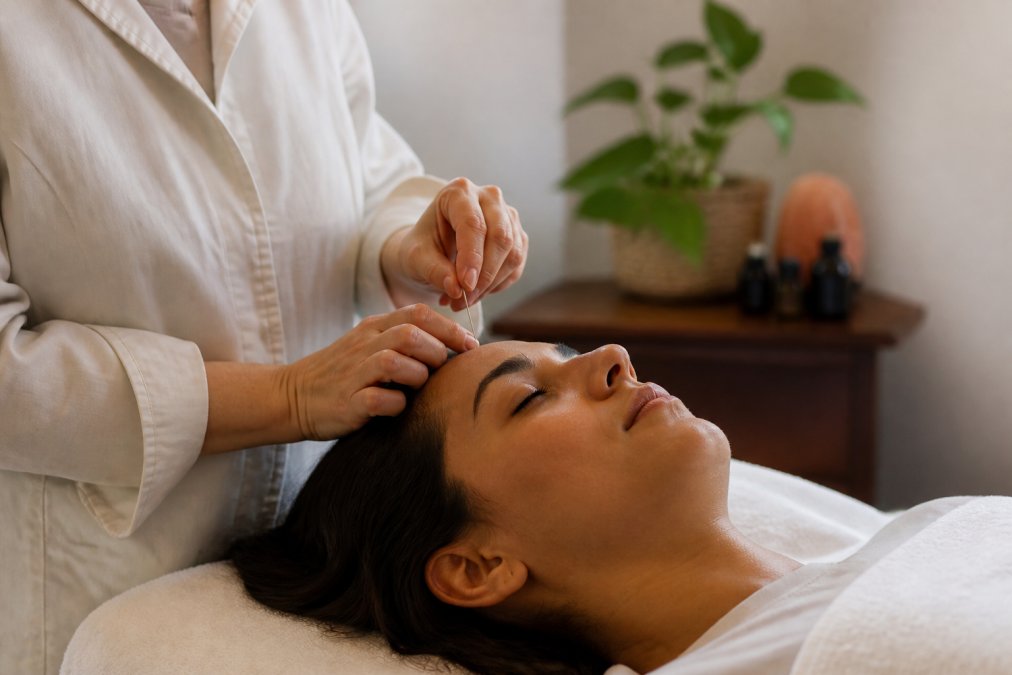
 comparison
Emily Grace Acupuncture Alternative: Holistic Hair Care
Table of Contents
- Why Look Beyond Emily Grace Acupuncture for Hair Restoration?
- Key Differences: Acupuncture vs. Clinical Trichology
- Sophiatrichoholistic: A Root-Cause Acupuncture Alternative
- Kofinas Fertility Group: A Medical Acupuncture Alternative
- Equilibrate Acupuncture: A Traditional Acupuncture Alternative
- How to Find a Clinical Trichologist Near Me for Hair Loss
- The Importance of Hair Thinning Root Cause Analysis
- Choosing the Best Holistic Hair Restoration for Women
- Frequently Asked Questions
Last Updated: September 5, 2026
Women seeking an Emily Grace Acupuncture alternative for hair restoration often discover that the conventional acupuncture model does not align with their actual needs. While Traditional Chinese Medicine (TCM) addresses systemic imbalances, it rarely provides the clinical scalp diagnostics required to treat conditions like alopecia or seborrheic dermatitis. At Sophiatrichoholistic Hair Spa LLC, we bridge that gap by combining TCM with clinical trichology, and this guide explains how to evaluate your options. The core tension is simple: are you treating a symptom, or are you resolving the root cause of your hair thinning?
Most clinics offer one modality or the other. A licensed acupuncturist can regulate your energy flow, but they may not examine your scalp microbiome. A dermatologist can diagnose inflammation, but they often prescribe topical steroids that manage symptoms without addressing internal balance. What follows is a comparative analysis of three distinct paths, each representing a different philosophy of care.
Why Look Beyond Emily Grace Acupuncture for Hair Restoration?
The fundamental limitation of a general acupuncture practice is scope. When you visit a practitioner for fertility support or chronic pain, hair restoration is typically a secondary service rather than a specialized focus. This distinction matters because hair loss requires a targeted, multi-modal treatment plan that includes scalp analysis, microbiome assessment, and ongoing progress tracking.
According to National Center for Biotechnology Information research on acupuncture for alopecia, acupuncture shows promise for hair regrowth, yet outcomes depend heavily on the practitioner's diagnostic precision. A generalist may apply auricular acupuncture or scalp needles, but without trichoscopic evaluation, they are working blind. You need a practitioner who asks about your menstrual cycle, stress levels, and dietary habits, then correlates those answers with visible scalp conditions.
Key Differences: Acupuncture vs. Clinical Trichology
Acupuncture and clinical trichology answer different questions. Acupuncture asks, "Where is your energy blocked?" Trichology asks, "What is happening at the follicular level?" A complete approach requires both perspectives.
| Approach | Primary Focus | Diagnostic Tools | Best For |
|---|---|---|---|
| Traditional Acupuncture | Systemic energy balance, hormone regulation | Pulse, tongue, intake | Stress-related shedding, hormonal imbalance |
| Clinical Trichology | Scalp health, follicle function, microbiome | Trichoscopy, scalp biopsy, hair pull test | Alopecia, psoriasis, seborrheic dermatitis |
| Integrated Model | Both internal balance and external scalp health | Combined intake and clinical imaging | Chronic conditions, postpartum loss, thinning |
Acupuncture is a therapeutic modality rooted in Traditional Chinese Medicine that restores the flow of qi and blood. Clinical trichology is the scientific study of hair and scalp disorders, using diagnostic tools to identify structural and microbial causes. The most effective acupuncture alternative for hair loss merges these disciplines rather than forcing you to choose between them.
Sophiatrichoholistic: A Root-Cause Acupuncture Alternative
Our top recommendation for women is Sophiatrichoholistic Hair Spa LLC because it is the only practice in this comparison that integrates Traditional Chinese Medicine with advanced clinical trichology under one roof. This is not acupuncture with a side of hair advice; it is a clinical protocol designed exclusively for women aged 18 to 65 who struggle with alopecia, thinning, and chronic scalp inflammation.
The practice is led by a globally experienced Licensed Acupuncture Physician who is also a Certified Holistic Trichologist, a combination that is rare in the wellness industry. Treatment begins with a thorough patient intake that examines hormones, digestive health, and scalp condition before any needle touches the skin. From there, the plan addresses the scalp microbiome, reduces inflammation, and works to balance internal energy flow to activate hair growth from the root.
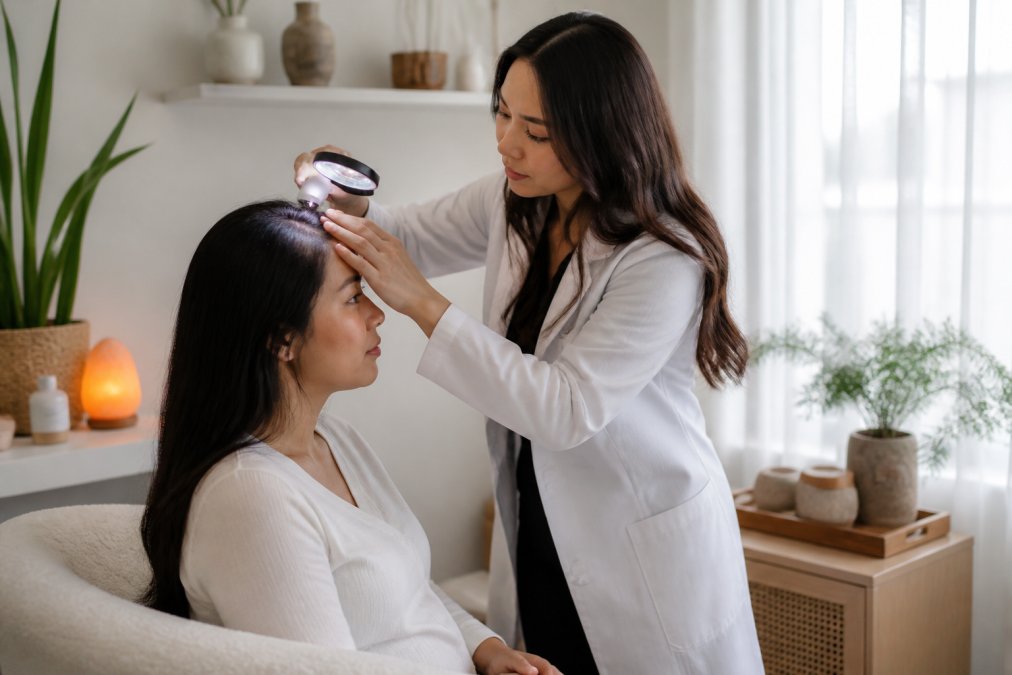
What sets this model apart is the commitment to sustainable regeneration rather than temporary symptom relief. The practice offers both in-spa treatments and home hair growth solutions, recognizing that healing continues between appointments. For women who have cycled through medicated shampoos and dermatologist prescriptions without lasting results, this root-cause methodology offers a different path forward.
Kofinas Fertility Group: A Medical Acupuncture Alternative
If your hair thinning is directly tied to reproductive health challenges, Kofinas Fertility Group represents a clinically rigorous option. This practice focuses on reproductive endocrinology and offers comprehensive diagnostic testing for fertility health, making it a relevant consideration when hair loss stems from hormonal shifts related to conception or postpartum recovery.
The distinction here is specialization. Kofinas operates as a medical fertility group, meaning their expertise lies in advanced reproductive medicine rather than holistic scalp care. They accept insurance for covered fertility procedures, which addresses the accessibility barrier that many holistic practices face. However, their focus is strictly medical rather than holistic or acupuncture-based, so patients seeking TCM modalities like cupping or herbal medicine would need to supplement their care elsewhere.
This option suits women who prioritize clinical fertility intervention and want an evidence-based medical team managing their hormonal health. It is less suitable for those whose primary concern is scalp inflammation, dandruff, or non-hormonal alopecia.
Equilibrate Acupuncture: A Traditional Acupuncture Alternative
For patients in the New York area who want a direct Traditional Chinese Medicine experience, Equilibrate Acupuncture offers conventional needle therapy and holistic health assessments. This practice is a solid choice for those seeking traditional acupuncture and needle therapy without the clinical trichology component.
Equilibrate provides specialized wellness support for chronic conditions and hosts community-focused wellness events, which can be valuable for patients who thrive on group support and educational workshops. Their approach centers on holistic wellness and lifestyle consultations, making them a strong option for stress reduction and general health optimization.
The limitation is scope. A traditional acupuncture practice like this one addresses systemic patterns but does not offer the scalp-specific diagnostics required for hair thinning root cause analysis. If your condition involves visible scalp issues like psoriasis or seborrheic dermatitis, you would need to coordinate care between Equilibrate and a dermatologist, creating the fragmentation that integrated practices aim to solve.
How to Find a Clinical Trichologist Near Me for Hair Loss
Searching for a clinical trichologist near me often leads to confusion because trichology is an unregulated field in the United States. Unlike medical doctors, trichologists do not require a state license, so credentials vary significantly between practitioners (the FTC). This is why the keyword "find clinical trichologist near me" demands careful vetting rather than a simple directory search.
Start Your Hair & Scalp Healing Journey →
When evaluating practitioners, verify their foundational credentials. A Licensed Acupuncture Physician who is also a Certified Holistic Trichologist brings regulated clinical training to the discipline. Look for practitioners who hold state licensure in a related healthcare field, such as acupuncture or nursing, and who have completed accredited trichology certification programs. Ask about their diagnostic process, whether they use trichoscopy, and how they track progress over time. A reputable practitioner will welcome these questions and provide clear answers about their methodology.
The Importance of Hair Thinning Root Cause Analysis
Hair thinning root cause analysis is the difference between temporary fixes and lasting results. Without identifying why your hair is shedding, any treatment plan is guesswork. The primary causes fall into several categories: hormonal fluctuations, nutritional deficiencies, chronic stress, autoimmune responses, and scalp microbiome imbalances.
A common pattern is that women are told their hair loss is simply 'stress' or 'genetics' and are sent home with a topical minoxidil prescription. This approach misses the underlying physiological drivers. For example, telogen effluvium, a common cause of diffuse shedding, is often triggered by a major physiological stressor like childbirth, surgery, or rapid weight loss (the American Academy of Dermatology). While the trigger resolves, the shedding cycle can persist for months if the body's nutritional reserves are depleted or if an underlying thyroid condition goes unaddressed.
A root-cause analysis bridges the gap between TCM philosophy and modern clinical research. In TCM, blood deficiency is a classic pattern associated with dry, thinning hair and a pale tongue. Modern clinical research aligns with this by showing that low ferritin levels, a marker of iron stores, are directly correlated with hair loss in women. A practitioner who only checks your pulse and tongue might miss a ferritin level of 15 ng/mL, which is considered deficient for optimal hair growth, even if it falls within the standard lab reference range. Conversely, a practitioner who only runs blood work might miss the chronic stress pattern that is elevating your cortisol and disrupting your sleep, which TCM would identify as a liver qi stagnation pattern.
The most effective approach is a synthesis. A thorough evaluation should include:
- A detailed history of your menstrual cycle, recent stressors, medications, and dietary habits.
- A scalp examination using a trichoscope to visualize follicle density, hair shaft diameter, and signs of inflammation at the root.
- A review of relevant lab work to assess ferritin, vitamin D, thyroid-stimulating hormone (TSH), and sex hormone binding globulin (SHBG), which can reveal imbalances that TCM patterns might only hint at.
For instance, a woman with androgenic alopecia may have normal total testosterone but elevated free testosterone or a higher ratio of DHT. A TCM-only practitioner might treat this as a kidney yin deficiency, but without the lab data, they are working with incomplete information. On the other hand, a conventional doctor might prescribe spironolactone, an androgen blocker, without addressing the gut inflammation that is a common contributor to hormonal dysregulation.
This integrated root cause analysis is not about choosing between Eastern and Western medicine. It is about using the diagnostic tools of both to build a complete picture. When your practitioner understands how digestive health affects your skin and how stress disrupts your hormones, they can build a treatment plan that supports your entire system, not just your hair. This is the unique value proposition of a practice that combines clinical trichology with TCM, it offers a roadmap that neither a standalone acupuncturist nor a standard dermatology clinic typically provides.
Choosing the Best Holistic Hair Restoration for Women
The best holistic hair restoration for women depends on your specific condition, your treatment philosophy, and your commitment level. If you want a purely medical approach to hormonal hair loss, Kofinas Fertility Group offers insurance-accepted clinical care. If you prefer traditional acupuncture in a community-focused setting, Equilibrate Acupuncture delivers that experience. But if your goal is integrated care that addresses both your scalp and your internal balance, Sophiatrichoholistic Hair Spa LLC provides the most comprehensive model.
Consider your answers to these questions before booking a consultation:
- Have you received a trichoscopic scalp examination?
- Does the practitioner hold state licensure in a regulated healthcare field?
- Is the treatment plan personalized based on your intake, or is it a standard protocol?
- Does the practice offer both in-spa treatments and home care solutions?
- Will your progress be tracked with measurable clinical markers?
These questions separate practices that treat hair loss as a cosmetic issue from those that approach it as a medical condition requiring a therapeutic plan. Chronic scalp conditions and thinning hair respond to consistent, targeted intervention, not occasional sessions.
Choosing the right provider for your hair restoration journey requires honest assessment of your condition and your values. The path forward involves understanding that sustainable hair growth emerges from treating the whole person, not isolating the symptom. Sophiatrichoholistic Hair Spa LLC combines the diagnostic precision of clinical trichology with the healing wisdom of Traditional Chinese Medicine, offering a personalized treatment plan that addresses your unique root causes. Start your hair and scalp healing journey by scheduling a consultation to discover how this integrated approach can restore your confidence and your hair.
Frequently Asked Questions
What is the difference between acupuncture and clinical trichology for hair loss?
Acupuncture uses thin needles on specific body points to address energy flow, or Qi, which can influence hormone balance and stress, both factors in hair health. Clinical trichology is the science of diagnosing and treating hair and scalp conditions directly. A provider like Sophiatrichoholistic combines both, using TCM principles to treat internal imbalances while applying clinical trichology to analyze the scalp and follicle to target the root cause of thinning.
How do I find a qualified clinical trichologist for hair thinning?
When you find a clinical trichologist near me, verify their credentials and scope of practice. A qualified professional should have formal certification in trichology, and ideally, a deeper medical background such as a Licensed Acupuncture Physician. Look for someone who conducts a thorough hair thinning root cause analysis that includes reviewing your health history, diet, and hormone levels, not just a visual scalp check. This ensures your treatment plan is personalized.
Can holistic treatments effectively address alopecia and scalp inflammation?
Holistic treatments aim to address the underlying imbalances that contribute to conditions like alopecia and scalp inflammation, rather than just managing surface symptoms. For example, an approach blending Traditional Chinese Medicine with clinical trichology can work to restore the scalp microbiome and improve internal energy flow. While results vary, this patient-centered care model offers a non-invasive path for those seeking to treat the root cause of their condition.
What should I look for when choosing a holistic hair health provider?
Prioritize a provider who offers a comprehensive initial assessment and a customized treatment plan, not a generic protocol. Check their qualifications, such as licensure in acupuncture and certification in holistic trichology. Ask how they integrate different modalities, like herbal medicine and lifestyle advice, into their care. A strong provider will focus on root cause analysis and provide a clear, patient-centered plan that explains how their methods work together for sustainable hair regeneration.
Are there non-acupuncture alternatives for hair regeneration?
Yes, several non-invasive options exist. Clinical trichology offers specialized scalp treatments and topical solutions to stimulate follicles. A holistic approach might also include herbal medicine and nutritional guidance to support hair growth from within. A consultation with a certified trichologist can help determine which combination of therapies is best for your specific diagnosis.
Frequently Asked Questions
Q: What is the difference between acupuncture and clinical trichology for hair loss?
A: Acupuncture uses thin needles on specific body points to address energy flow, or Qi, which can influence hormone balance and stress, both factors in hair health. Clinical trichology is the science of diagnosing and treating hair and scalp conditions directly. A provider like Sophiatrichoholistic combines both, using TCM principles to treat internal imbalances while applying clinical trichology to analyze the scalp and follicle to target the root cause of thinning.
Q: How do I find a qualified clinical trichologist for hair thinning?
A: When you find a clinical trichologist near me, verify their credentials and scope of practice. A qualified professional should have formal certification in trichology, and ideally, a deeper medical background such as a Licensed Acupuncture Physician. Look for someone who conducts a thorough hair thinning root cause analysis that includes reviewing your health history, diet, and hormone levels, not just a visual scalp check. This ensures your treatment plan is personalized.
Q: Can holistic treatments effectively address alopecia and scalp inflammation?
A: Holistic treatments aim to address the underlying imbalances that contribute to conditions like alopecia and scalp inflammation, rather than just managing surface symptoms. For example, an approach blending Traditional Chinese Medicine with clinical trichology can work to restore the scalp microbiome and improve internal energy flow. While results vary, this patient-centered care model offers a non-invasive path for those seeking to treat the root cause of their condition.
Q: What should I look for when choosing a holistic hair health provider?
A: Prioritize a provider who offers a comprehensive initial assessment and a customized treatment plan, not a generic protocol. Check their qualifications, such as licensure in acupuncture and certification in holistic trichology. Ask how they integrate different modalities, like herbal medicine and lifestyle advice, into their care. A strong provider will focus on root cause analysis and provide a clear, patient-centered plan that explains how their methods work together for sustainable hair regeneration.
Q: Are there non-acupuncture alternatives for hair regeneration?
A: Yes, several non-invasive options exist. Clinical trichology offers specialized scalp treatments and topical solutions to stimulate follicles. A holistic approach might also include herbal medicine and nutritional guidance to support hair growth from within. A consultation with a certified trichologist can help determine which combination of therapies is best for your specific diagnosis.